Government’s shock tactics to tackle persistent shortages
The Nigerien government has launched an aggressive emergency plan to combat the country’s worsening fuel shortage, but the measures are already sparking widespread public unease. In a sweeping decree issued last month, authorities have imposed night-time closures on most fuel stations and banned the sale of fuel in jerrycans across the nation.
The hidden cost of overnight restrictions
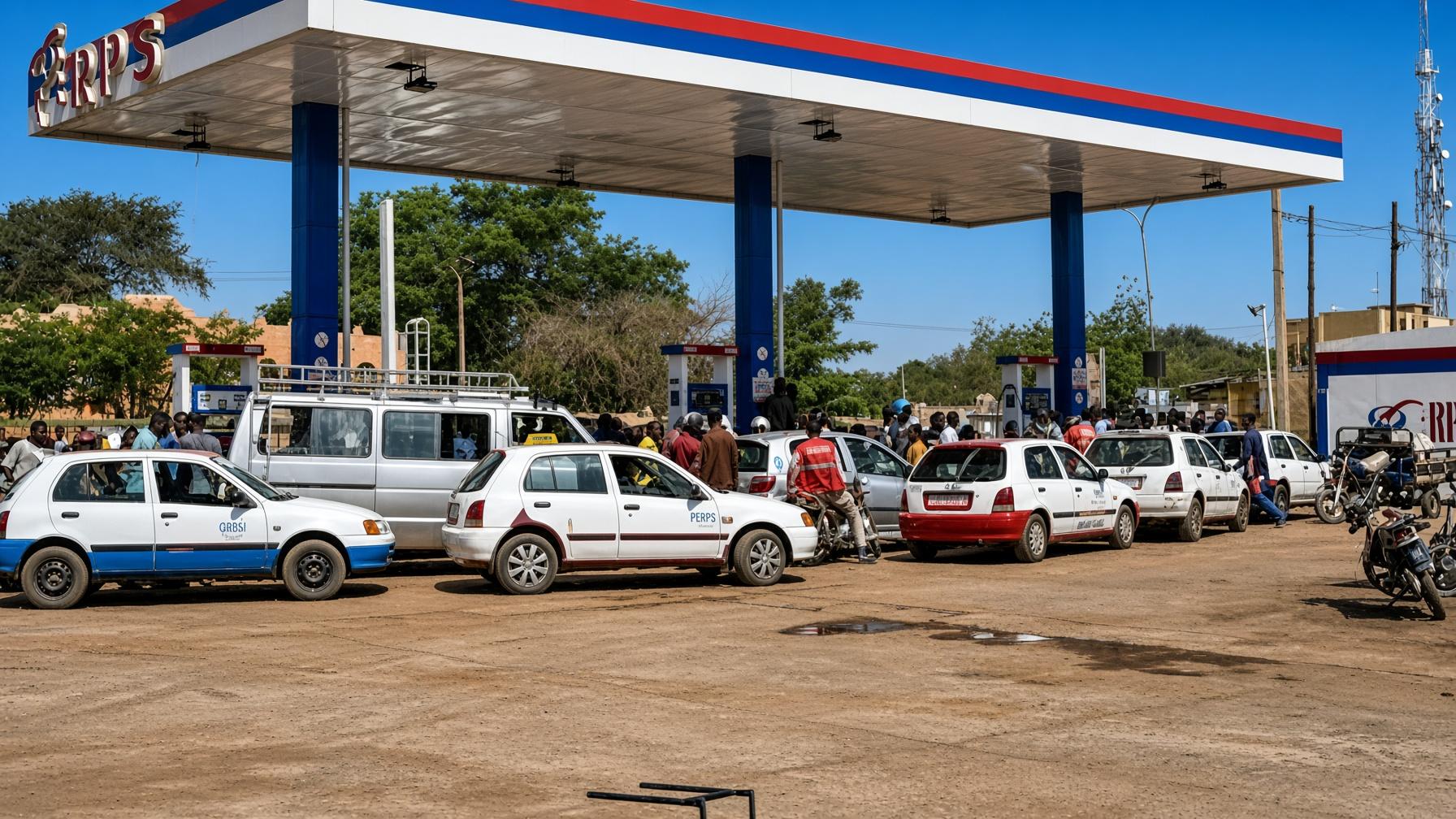
From 9 PM to 6 AM, the majority of fuel stations must remain shuttered under the new regulations. While authorities claim these nocturnal pauses are designed to streamline logistics by clearing routes for the Nigerien Petroleum Society’s (SONIDEP) tanker trucks, the reality tells a different story. Motorists now face extreme overcrowding during daylight hours, as the reduced operating window forces long queues under the scorching Sahel sun.
Though the government has promised to designate round-the-clock service stations in every municipality, details about their selection criteria and actual capacity remain vague. The announcement has done little to ease concerns about the plan’s feasibility or its potential to create even longer wait times.
Black market crackdown: a symptom of deeper issues
The crackdown on informal fuel sales is the second pillar of this emergency strategy. Under the new rules, jerrycan and container-based fuel sales are strictly prohibited in any town where a regulated fuel station operates. Authorities argue that these informal vendors artificially inflate prices and create artificial scarcity.
Yet this approach ignores the underlying problem: many communities rely on street vendors for fuel because the official distribution network fails to deliver consistently. By meting out harsh penalties and deploying security forces to crack down on violators, the state is choosing punitive measures over solving the core issue of supply reliability. The move shifts the burden of the crisis onto ordinary citizens and small-scale vendors, rather than addressing systemic weaknesses.
Public endurance pushed to the limit
The emergency plan, developed in consultation with SONIDEP and local Niamey authorities, is framed as a temporary and rational solution. Yet in urging motorists to adopt a sense of civic duty and discipline, authorities are essentially asking the public to adapt to a failing distribution system.
Without fundamental reforms to the country’s petroleum logistics and concrete guarantees of increased fuel supplies nationwide, these restrictions risk becoming a daily burden for drivers. More critically, they do little to curb the very speculation they claim to target, leaving Nigeriens grappling with the same shortages they’ve endured for months.
A system under strain
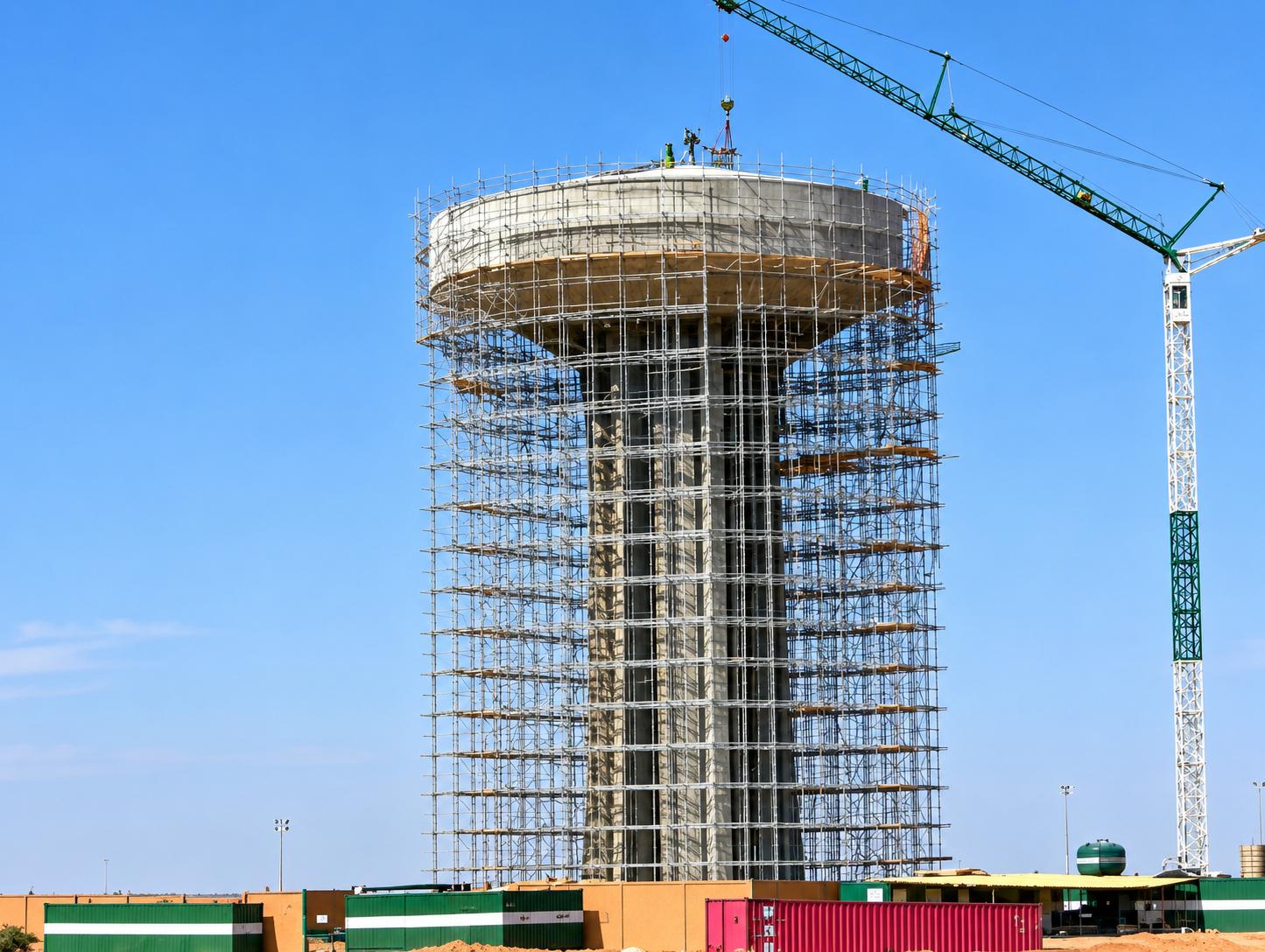
The Nigerien fuel crisis is not merely a logistical challenge but a social and economic one. The government’s latest measures, while intended as a decisive response, expose the fragility of the existing system. Until structural solutions are implemented—such as expanding storage facilities, improving distribution channels, or increasing imports—the crisis will persist, leaving both citizens and businesses in a state of perpetual uncertainty.