Senegal budget 2026 faces opposition as PASTEF rejects key fiscal measures
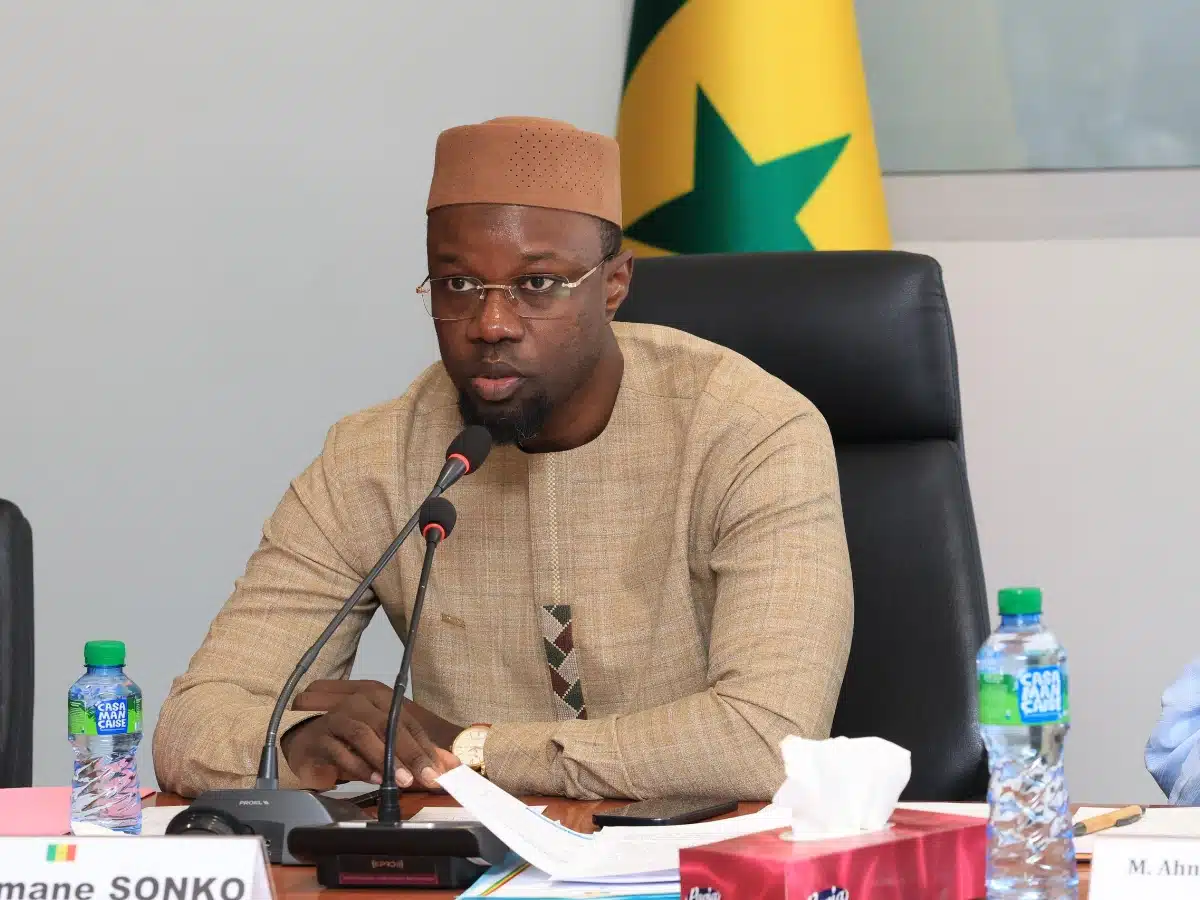
Senegal’s 2026 supplementary finance bill is facing fierce political resistance following a scathing critique from leading opposition figure Ousmane Sonko. In a high-stakes press briefing on October 19, 2026, the PASTEF party leader declared his bloc would not endorse the revised budget in its current form, citing deep concerns over social spending cuts and economic policy direction.
Sonko, a prominent voice in Senegalese politics, condemned the government’s budgetary priorities, arguing they misalign with the country’s National Transformation Agenda. He specifically targeted reductions in funding for education, vocational training, employment initiatives, and public infrastructure—sectors he described as vital to national development.
Fuel subsidies slashed: a threat to household budgets
The sharp reduction in fuel subsidies emerged as a central point of contention. Sonko warned that these cuts—driven by obligations tied to Senegal’s International Monetary Fund (IMF) program—risked pushing up fuel prices and, consequently, the cost of living for ordinary households and businesses.
He challenged the adequacy of proposed social compensation measures, emphasizing that current allocations for family security programs fall short of addressing the real impact on vulnerable populations. “The government’s approach fails to protect those most at risk,” he stated during the press conference.
Public debt and IMF ties under scrutiny
A broader critique emerged over Senegal’s public debt management and its relationship with international financial institutions. Sonko argued that fiscal consolidation must not disproportionately burden citizens, advocating instead for strategies that leverage domestic revenue mobilization, tax reform, and targeted economic investments.
He hailed the Economic and Social Recovery Plan (PRES), which he oversaw during his tenure as Prime Minister, crediting it with mobilizing 300 billion CFA francs. Yet, he accused the current administration of deviating from PRES objectives—particularly in tax policy and economic oversight—undermining progress toward sustainable recovery.
Call for stricter oversight of special funds
Sonko also called for stricter legal controls over special funds, emphasizing the need for greater transparency and parliamentary scrutiny over public spending. His remarks reflect growing public frustration over accountability in budget execution and financial management.
He framed these demands within a broader vision for fiscal policy that balances economic stabilization with social justice, insisting that government spending must reflect citizen priorities.
Prime Minister invited to public economic debate
Ahead of the budget vote, Sonko extended a direct invitation to Prime Minister Amadou Aminou Lô to engage in a public exchange on Senegal’s economic and financial trajectory.
This proposed debate, he argued, would empower citizens by bringing budgetary decisions, economic forecasts, and policy trade-offs into the open. The move comes as political factions clash over how best to restore fiscal balance while preserving purchasing power.
Budget vote looms amid political rifts
PASTEF’s refusal to endorse the supplementary budget without significant revisions has sharpened tensions ahead of the parliamentary vote. While the party has left the door open to negotiation, the dispute could escalate, delaying final approval and reshaping next year’s budget talks.
Sonko concluded with a call for collaboration: “We stand ready for an honest, constructive dialogue with the government to forge a balanced path forward—one that upholds both economic realities and the well-being of the Senegalese people.”