
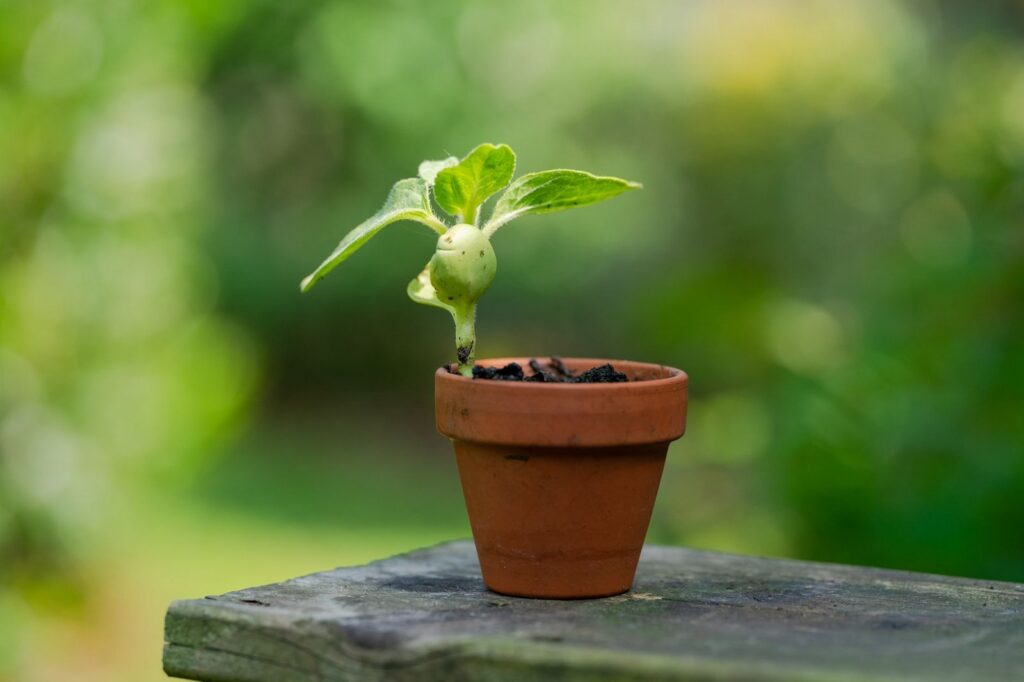
Gabon has implemented a significant measure to enhance its biodiversity governance. The exploitation and commercialization of iboga, an indigenous Central African plant known for its psychoactive and therapeutic properties, are now subject to stringent official authorization. This move by Libreville aims to secure control over a vital national resource, which has long been harvested without adequate oversight, despite its rapidly increasing global economic importance over the past decade.
Strategic resource brought under state control
The Tabernanthe iboga, a shrub thriving in Gabon’s equatorial forests, holds a distinctive position within the nation’s heritage. It is a cornerstone of the Bwiti initiation rituals and is also a subject of international biomedical research due to its potential applications in treating opioid and cocaine addictions. This dual significance, spanning cultural tradition and pharmacological potential, has attracted considerable interest from foreign entities, sometimes resulting in the uncontrolled harvesting of wild populations.
In response to these challenges, the Gabonese government now mandates prior administrative authorization for all activities involving iboga, including harvesting, processing, transfer, or export. This framework aligns with protective measures initiated when the plant was designated a national cultural heritage in 2000. Consequently, no commercial transaction can proceed without approval from the relevant authorities, with non-compliance leading to penalties.
Biological sovereignty and the fight against biopiracy
This pivotal decision addresses a long-standing concern among Gabonese authorities and civil society: the appropriation of profits derived from the plant by international entities, often without benefit to local communities or the Gabonese state. For years, various clinics in Europe and North America have offered costly treatments based on ibogaine, an alkaloid extracted from the root. The primary source of this raw material originates from Gabon’s forests, where unregulated wild harvesting poses a severe threat to the species’ long-term viability.
By strengthening its legal framework, Libreville empowers itself to monitor supply chains, establish quotas, and ultimately negotiate access and benefit-sharing agreements in accordance with the Nagoya Protocol, to which Gabon is a signatory. This approach mirrors efforts by other Congo Basin nations committed to safeguarding their genetic resources. A significant challenge remains in scaling up monitoring capabilities across vast, often inaccessible forest regions, where the illicit trade of non-timber forest products is a well-documented issue.
Structuring a sector balancing tradition and industry
Beyond its regulatory function, this new framework paves the way for the development of a structured national industry. Interested parties, whether traditional practitioners, village cooperatives, or industrial enterprises, will need to navigate a defined administrative process. The nation faces a dual imperative: protecting natural populations, which regenerate slowly, while simultaneously capitalizing on the added value of a plant highly sought after by global pharmaceutical research.
Several operational questions persist. What specific criteria will determine eligibility for authorizations? Which ministry will oversee the application process? What role will be accorded to communities holding traditional Bwiti-related knowledge? The efficacy and credibility of this system will largely depend on the transparency of its procedures and the administration’s capacity to mediate effectively between economic interests and critical conservation imperatives.
For international investors and partners, the message is unequivocal: iboga is no longer a resource available for unrestricted access. Gabon, which has intensified initiatives to enhance its natural capital in recent years—from carbon credits to forest certification—is now adding a crucial new dimension to its strategy for ecological sovereignty. The ultimate success of this reform will be measured by the human and technical resources the Gabonese transition government dedicates to its implementation. The new authorization regime is already active.



More Stories
Mamadi Doumbouya de retour à Conakry après sa visite d’État en Côte d’Ivoire
Elversberg vs Bayern Munich: where to watch the Bundesliga clash
Mali: près de 80 soldats tués dans l’attaque de Dioura