Libreville, September 2026 — The escalating dispute between Gabon and Washington over poultry imports is far more than a trade tiff; it exposes the delicate balance between protecting domestic industries and navigating international trade obligations. While the world’s leaders gather at the UN General Assembly in New York, Gabon finds itself at a crossroads where economic sovereignty, agricultural development, and compliance with global trade rules intersect.
Washington has escalated the conflict by formally challenging Gabon’s 2027 deadline to ban poultry imports at the World Trade Organization. Libreville, however, remains steadfast, framing this move as a defense of national economic interests, food security, and the long-term viability of its agricultural sector. The real test lies not in the rhetoric of protectionism, but in Gabon’s ability to prove that market restrictions are part of a credible, sustainable development strategy.
Beyond protectionism: the structural challenges behind the poultry ban
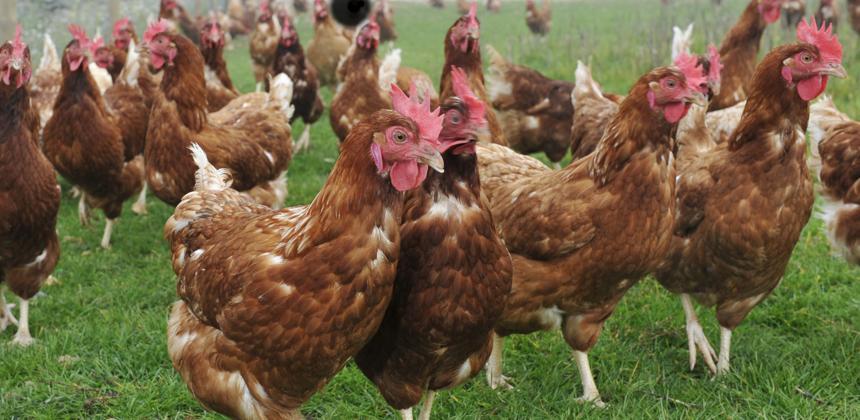
Poultry imports have long been a flashpoint in Gabon’s economic policy. According to WTO data, the country spent $97.7 million on poultry imports in 2021, a dependency that successive governments have sought to reduce. Programs like PRODIAG were launched to boost local poultry farming, but structural constraints—from feed availability to processing capacity—have hindered progress. The 2027 ban is not an abrupt policy shift; it is the culmination of years of efforts to shift from import dependency to self-sufficiency.
Yet, simply banning imports without addressing underlying bottlenecks risks more than economic isolation. If domestic production cannot meet consumer demand at competitive prices, the burden shifts to households, where higher food costs disproportionately affect low-income families. Conversely, a well-structured poultry sector can convert import expenditures into domestic investment, job creation, and economic resilience.
The legal and diplomatic dimensions of Gabon’s gamble
Gabon’s challenge at the WTO is not just about defending a policy—it’s about demonstrating that the measure is both necessary and proportionate. Under WTO rules, countries have the right to adopt trade-restrictive measures to protect infant industries or public health. However, such measures must be temporary, transparent, and non-discriminatory. Gabon’s argument hinges on proving that its poultry sector is not merely protected but actively developing into a sustainable, competitive industry capable of meeting national demand.
The timing of this dispute is particularly strategic. The 81st UN General Assembly is centered on rebuilding global trust and fostering inclusive development—issues that resonate deeply with Gabon’s food security ambitions. By framing the poultry ban within these broader discussions, Libreville has an opportunity to reframe the debate from a bilateral trade spat to a global discussion on economic autonomy and food sovereignty.
Lessons from the trenches: what Gabon must prove
For Gabon to emerge victorious—whether in Geneva or in the court of public opinion—it must present more than a political declaration. The government will need to show:
- Measurable progress in local poultry production capacity, including hatcheries, processing plants, and distribution networks.
- Evidence of affordability—that local poultry can compete with imports on both quality and price without relying on perpetual subsidies.
- Alignment with WTO rules—that the 2027 deadline is realistic and that temporary import restrictions are justified by compelling national interests.
- A clear exit strategy—how Gabon plans to reintegrate global markets once its domestic industry achieves self-sufficiency.
This is not just about chickens; it’s about the future of Gabon’s agricultural economy. A successful resolution would set a precedent not only for Central Africa but for countries across the continent seeking to balance trade compliance with the urgent need for food security.
As the world watches, Gabon’s poultry dilemma offers a case study in how nations can leverage international institutions to defend developmental goals without resorting to protectionist isolation. The next 12 months will determine whether this gamble strengthens Gabon’s economy—or leaves its markets barren.