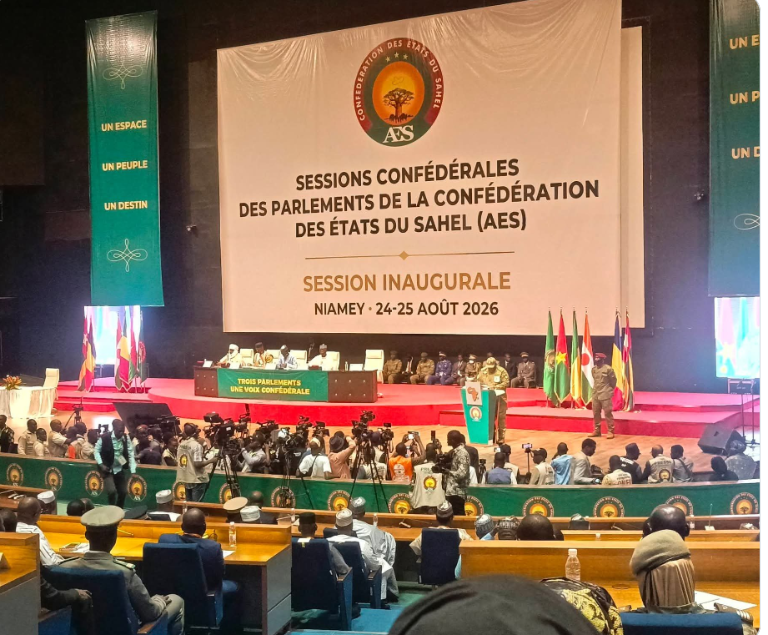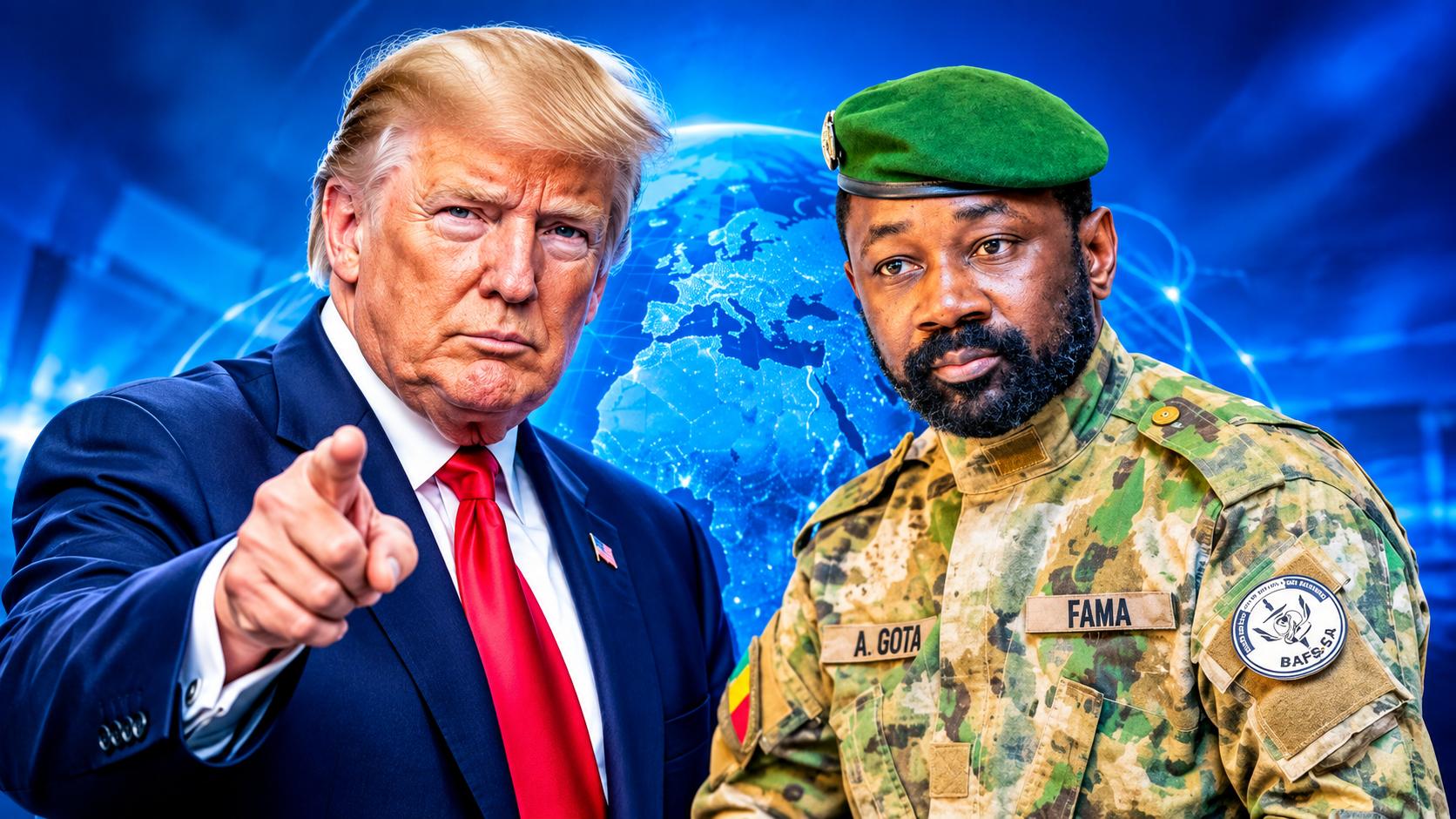
Behind the bold declarations of ideological separation from Western powers, the Sahel’s ruling juntas have quietly maintained a pragmatic financial dialogue with Washington—one that reveals the hidden mechanics of power in the region. The catalyst? A $410 million U.S. fund designed to outsource migration management, a deal that is quietly rewriting the rules of engagement between the Alliance of Sahel States (AES) and America.
Why financial pressure is pushing the Sahel to reconsider its stance
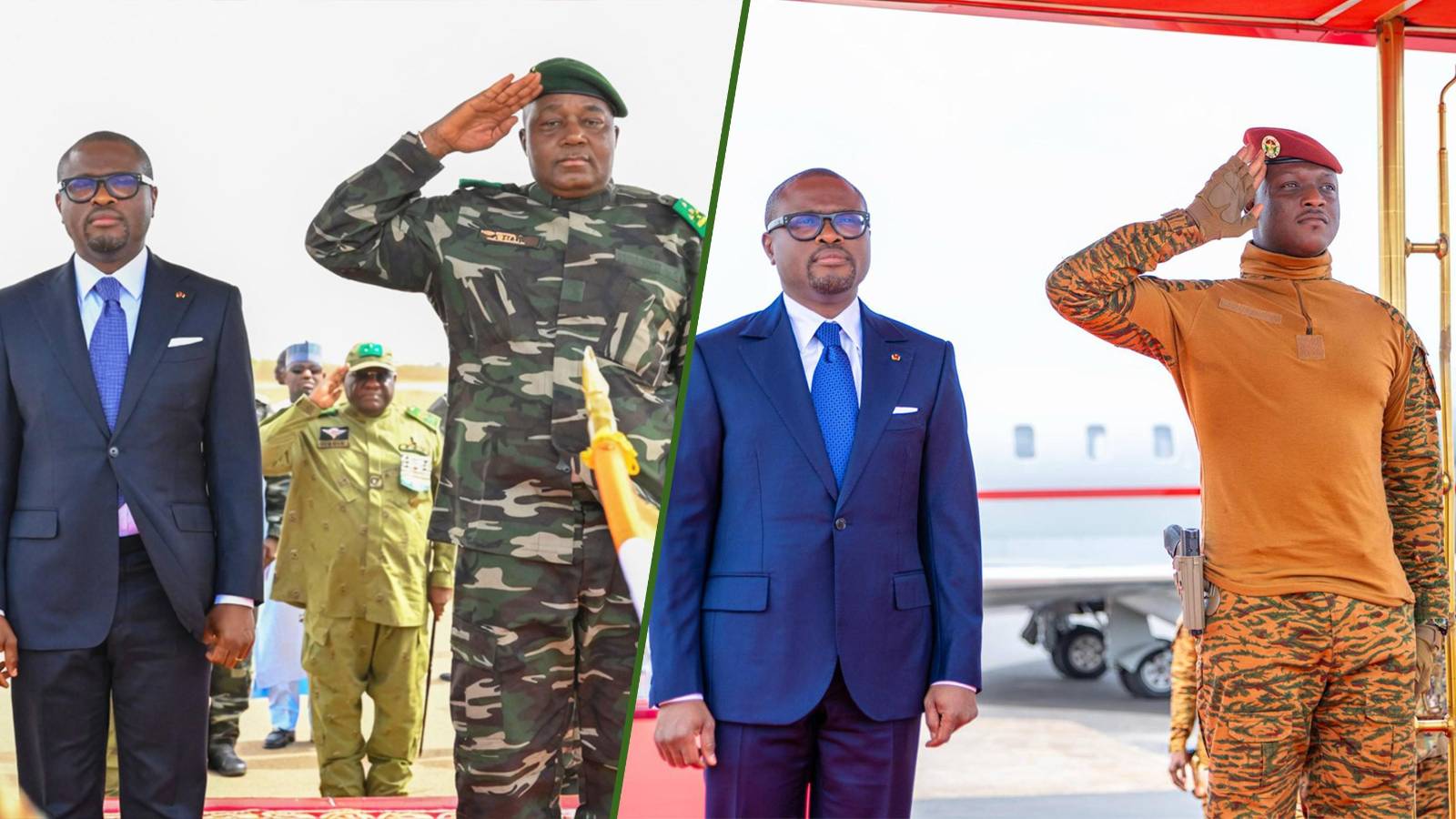
The capital cities of Mali, Niger, and Burkina Faso have publicly distanced themselves from traditional Western partners like the United States and France, framing their stance as a break from decades of foreign interference. Yet the sudden appeal of a U.S.-backed migration outsourcing program—offering hundreds of millions in funding—exposes the fragility of that narrative. For regimes grappling with collapsing public revenues and soaring security costs, the promise of liquidity has become an irresistible temptation.
The dollar diplomacy that’s rewriting Sahel alliances
Washington’s strategy of linking financial incentives to policy concessions is not new. In recent years, similar agreements have been struck with countries across Africa and Latin America, funneling tens of millions into national budgets in exchange for cooperation on migration control. For the AES, the appeal lies in three key areas:
- Immediate budget relief: The funds provide direct capital injections or channel funds through specialized agencies, earmarked for logistics, infrastructure upgrades, and operational expenses.
- Diplomatic leverage: By positioning themselves as essential partners in global migration governance, the juntas gain influence on the international stage—despite their public rejection of Western interference.
- Strategic flexibility: The funds enable the regimes to sustain military operations and state functions while navigating economic isolation imposed by traditional donors.
From ideology to pragmatism: The hidden cost of financial survival
The AES’s public rhetoric champions sovereignty and resistance to foreign control. Yet the swift embrace of U.S. migration deals reveals a stark contradiction: when financial stakes are high enough, ideological posturing gives way to pragmatic compromise. While European and American military and civilian missions face expulsion from the Sahel in the name of national dignity, parallel negotiations with Washington proceed unabated—securing hundreds of millions in exchange for cooperation.
This dual approach underscores a sobering reality: in the Sahel, financial survival often trumps ideological purity. The $410 million migration outsourcing agreement is not just a transaction—it is a litmus test of whether the AES’s proclaimed break from the West can withstand the lure of hard currency.
Can sovereignty survive when cash is king?
The answer may lie in the fine print of the deal. For the juntas, the funds offer a lifeline to maintain stability amid economic collapse. But they also risk entrenching a new form of dependency—one where financial incentives, not principles, dictate the terms of engagement. Whether this bargain strengthens or weakens the AES’s long-term autonomy remains an open question, but one thing is clear: in the Sahel’s high-stakes power game, money talks louder than ideology.