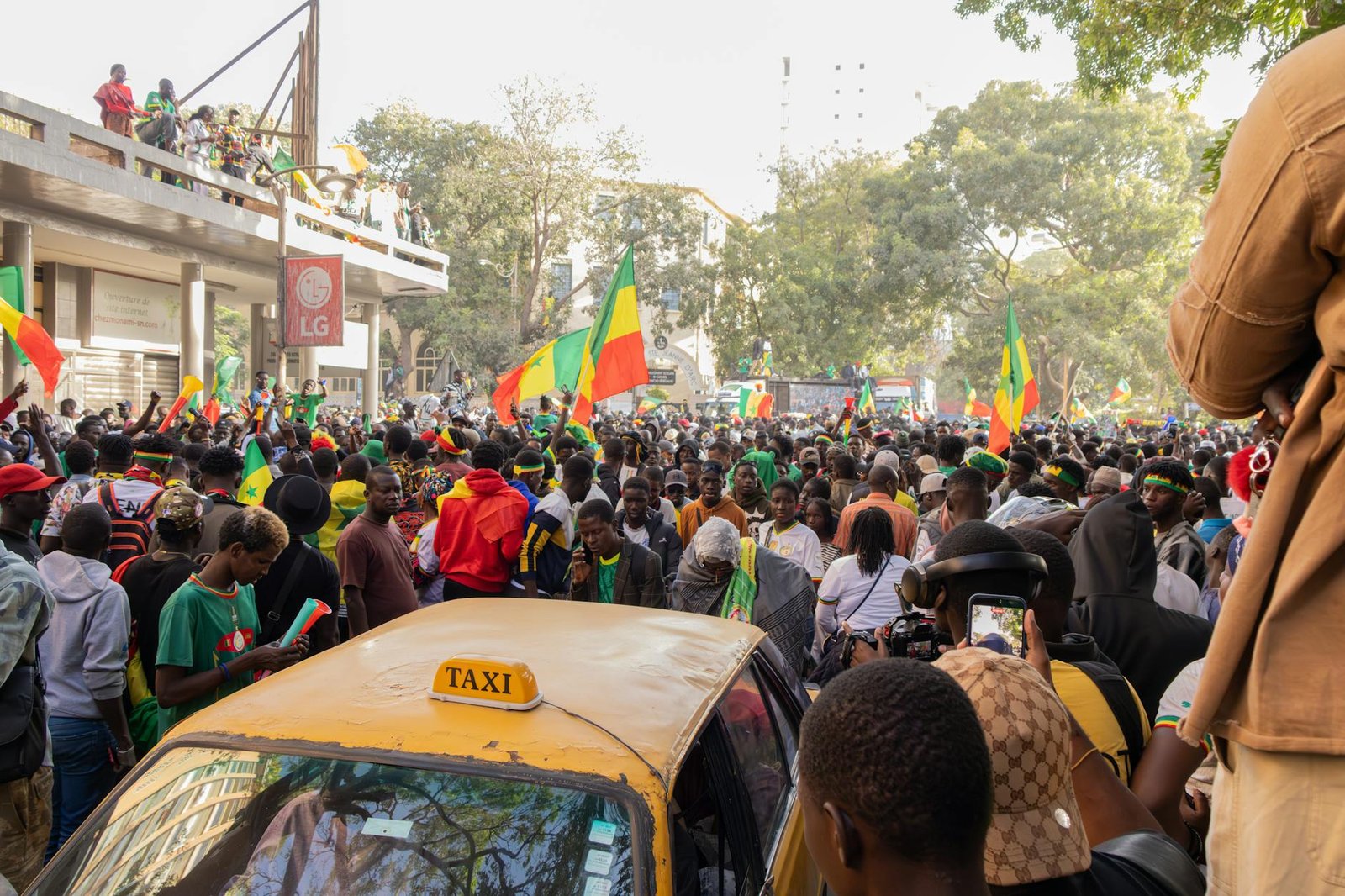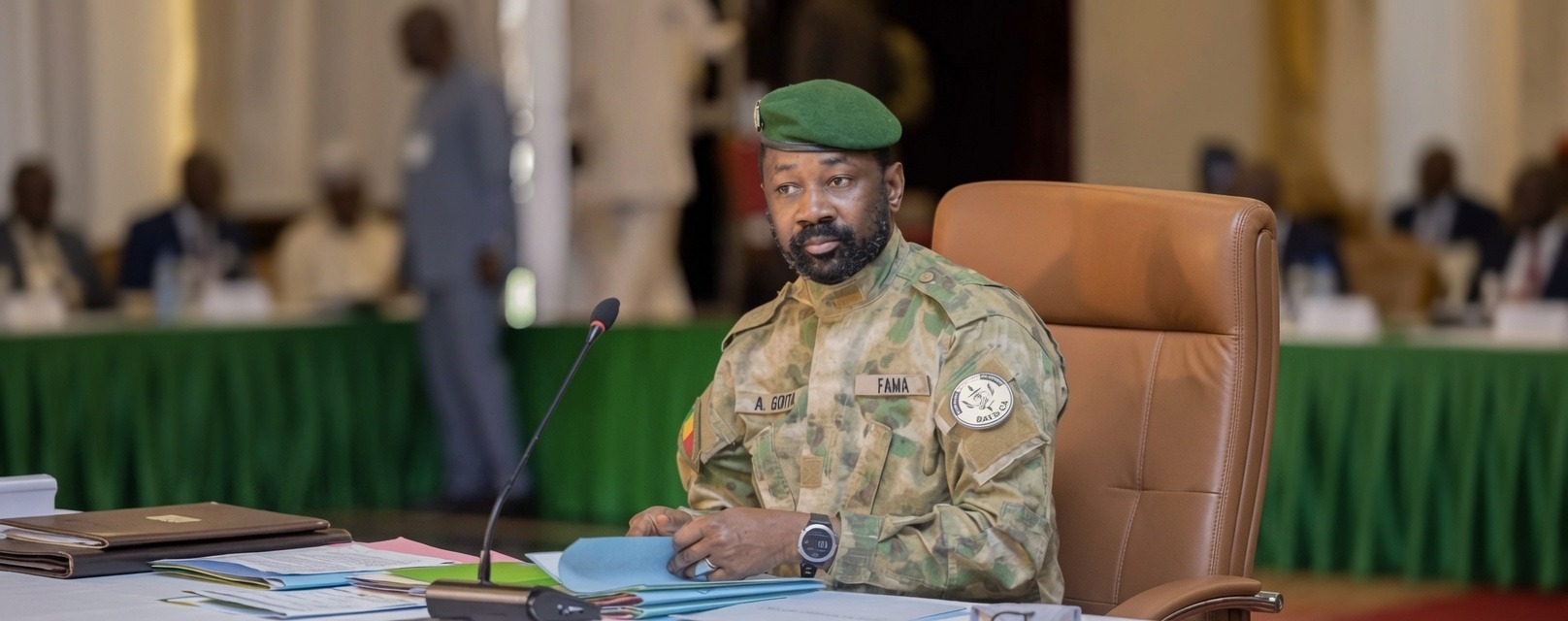
The 66th anniversary of Mali’s independence arrived this September 22, 2026, not with fireworks or fanfare, but with a sobering reality: six decades of sovereignty have done little to shield the nation from the widening cracks in its foundation. While Bamako’s transitional authorities spoke of restored dignity and national pride, the backdrop of this milestone celebration was anything but triumphant. Instead, it exposed the widening chasm between official rhetoric and the harsh truths gripping a country caught in the grip of a security storm it shows no sign of emerging from.
The anatomy of a security failure: how Mali’s promise of stability collapsed
Far from the image of progress touted by the Malian Armed Forces (FAMa), the security landscape tells a far grimmer story. The relentless expansion of attacks by the JNIM coalition and armed groups in the north continues to carve away at Mali’s territorial integrity. Over recent months, key garrisons in central and northern regions—including Dioura and Sévaré—have borne the brunt of bloody assaults, their losses mounting as logistical lifelines remain under siege.
The lifeblood of the nation’s interior economy—the roads connecting to Bamako—has become a death trap. Intermittent blockades by insurgents have strangled supply chains, choked commerce, and pushed local markets into a spiral of scarcity and inflated prices. What was once a promise of restored control under the banner of Operation Ké Nafa Nowa has devolved into a desperate game of survival for communities caught between armed factions and a state struggling to assert its presence.
Russia’s Wagner successor: a military gamble that’s bleeding Mali dry
The timing of this independence anniversary could not have been more telling. It arrived as Mali’s strategic pivot toward a new security partnership—one built on the deployment of Russia’s Africa Corps, the successor to the infamous Wagner Group—reaches a critical inflection point. What began as a bold experiment to reclaim lost ground has evolved into a protracted, resource-draining war of attrition.
Recent engagements, including the devastating battle of Tinzawatène and a series of ambushes in early 2026, have left more than 350 Africa Corps operatives dead, according to internal assessments. The human toll is compounded by a financial hemorrhage: billions of FCFA are siphoned monthly to sustain this privatized military apparatus. Meanwhile, Malian government forces face chronic shortages of basic supplies, from fuel to ammunition, leaving them outgunned and outmaneuvered in a conflict where every advantage counts.
Living under siege: inflation, blackouts and the collapse of daily life
For the average Malian, the 66th anniversary of independence is a reminder not of progress, but of deprivation. The cost of living has spiraled out of control, with staples like rice, cooking oil, and sugar now priced beyond the reach of millions. Power cuts orchestrated by the national utility EDM-SA have crippled small businesses and plunged neighborhoods into darkness, eroding any semblance of economic stability.
Diplomatic isolation has only deepened the crisis. Mali’s break with regional blocs like ECOWAS has severed critical trade channels, drying up foreign currency inflows. The resulting scarcity of dollars has crippled importers, triggered currency devaluations, and pushed more families into precarious conditions. In towns and cities alike, queues at petrol stations and markets are no longer anomalies—they are the new norm.
Independence in name, legitimacy in question: the hollow promise of ‘Mali Kura’
Amid the turbulence, the annual presidential address to the nation delivered a familiar message: unity, resilience, and sovereignty. The transitional government invoked the banner of the Sahel States Confederation (AES), positioning Mali as a leader in a new regional bloc forged in defiance of external pressures. Yet the words rang hollow against a backdrop of escalating violence and economic ruin.
Six decades after independence, the Malian people are left grappling with a paradox: a nation that has never been more sovereign in name, yet more fragile in practice. The dream of a ‘new Mali’—Mali Kura—has yet to materialize. Instead, the country finds itself trapped in a cycle of insecurity, economic asphyxiation, and a leadership struggling to reconcile rhetoric with reality.
The path to restoring stability remains obscured, not by lack of will, but by the weight of unmet promises, unchecked insurgencies, and a model of security that has proven far costlier—and far less effective—than imagined.
What comes next? The uncharted road ahead for a nation at a crossroads
As Mali marks 66 years of independence, the challenge is no longer ideological. It is existential. Restoring order will require more than military might or geopolitical realignments. It demands a return to credible governance, a reversal of economic decline, and a recommitment to the social contract between the state and its people.
Can Mali reclaim its future? The answer lies not in the slogans of today, but in the choices made tomorrow. For a nation that has survived six decades of turbulence, survival may not be enough. Prosperity will demand more than endurance—it will require a fundamental reimagining of what sovereignty truly means in the 21st century.