The Independence Day Address: A Speech Rooted in Ambition or Out of Touch?
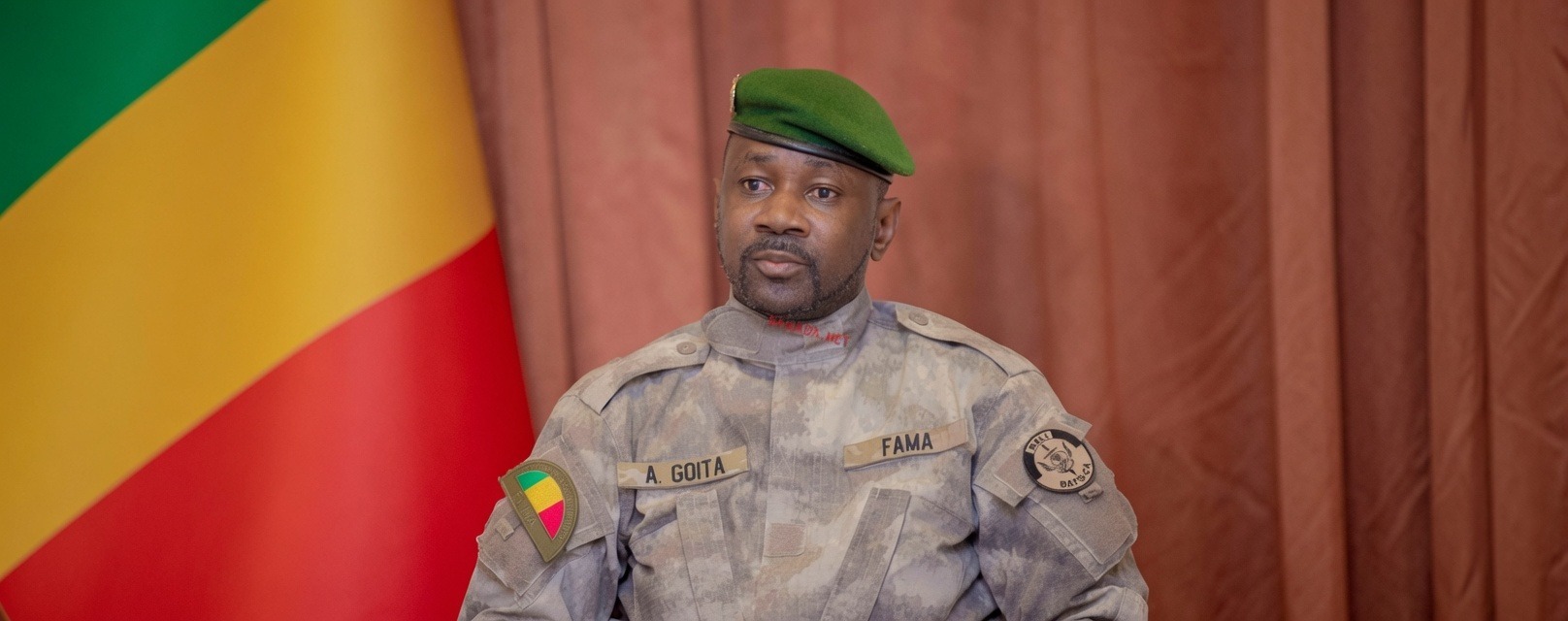
Every year, Mali’s Independence Day is marked by a presidential address to the nation, a rare moment when the country’s leadership shares its vision for the future. For General Assimi Goïta, the message this year carried a tone of unshaken confidence—boasting of economic recovery, military progress, and renewed sovereignty. Yet, beyond the polished rhetoric, a closer look at the facts reveals a stark contrast between the promises made from Bamako’s corridors of power and the harsh realities facing ordinary Malians.
Security Gains vs. Escalating Conflict: The Illusion of Control
The address painted a picture of a Mali regaining control, with the Malian Armed Forces (FAMa) described as “reorganized, well-equipped, and triumphant,” operating alongside partners in the Alliance of Sahel States (AES). But behind the official narrative lies a far grimmer picture.
The declaration of enhanced security fails to acknowledge the alarming deterioration in conflict zones, particularly in central and northern regions. Recent large-scale attacks by militant groups, including the Jama’at Nusrat al-Islam wal Muslimin (JNIM), have exposed critical weaknesses in the army’s capacity to protect civilians and key infrastructure. Landmark disasters, such as the strategic setback in Tinzawatène and assaults on vital bases like Dioura and Sévaré, underscore the fragility of the government’s claims of military advancement.
Moreover, the much-touted “reclaimed sovereignty” is overshadowed by the government’s growing reliance on foreign paramilitary support, particularly the Russian Africa Corps—formerly Wagner. This partnership, while providing immediate tactical benefits, comes at a steep cost: significant financial and mineral concessions that undermine the long-term development of a genuinely independent national defense.
The Economic Contradictions: Growth Figures vs. Everyday Hardship
On the economic front, the address hailed impressive growth figures, suggesting rates exceeding 5% to 6%, driven by internal resource mobilization and reforms in the mining sector. Yet, for Malian households, especially in Bamako and rural areas, these statistics mean little when faced with the daily struggle to afford essentials.
Inflation has surged, with prices for basic goods such as rice, cooking oil, and fuel skyrocketing. While the speech celebrated an “improved electricity supply,” citizens and small businesses continue to grapple with frequent blackouts imposed by the national utility, EDM-SA—a situation that cripples local economies and informal trade.
The government’s claims of redistributing mining revenues also ring hollow. Instead of fueling public development, a substantial portion of these funds is being diverted to cover operational costs for the Africa Corps, leaving little for infrastructure, healthcare, or education.
The Price of Silence: Shrinking Civic Space and Political Tensions
The presidential address also emphasized national reconciliation and cohesion, framed within the Charter for Peace. Yet, this call for unity comes at a time when the country’s civic space has never felt more restricted.
Political opponents, journalists, human rights activists, and civil society leaders who dare to critique the transition face systematic repression—through arrests, detentions, and intimidation. The government’s refusal to engage meaningfully with northern factions has also sabotaged past peace agreements, replacing dialogue with a heavy-handed military approach that has only deepened divisions.
The result is a widening gap between the optimistic declarations in the halls of Koulouba and the lived experiences of Malians, who continue to bear the brunt of insecurity, economic strain, and political repression.
Conclusion: A Speech of Deflection or a Wake-Up Call?
The Independence Day address may have projected strength and progress, but the reality on the ground tells a different story. As the government doubles down on its narrative of resilience, the disconnect between policymaking elites and the population grows ever more pronounced. Whether this gap will lead to meaningful change—or further alienation—remains to be seen, but one thing is clear: Mali’s path forward will demand more than lofty rhetoric.