
A new partner enters Côte d’Ivoire’s flagship offshore project
Eni has completed the transfer of a 10% interest in the Baleine oil and gas project in Côte d’Ivoire to Azerbaijan’s SOCAR. The deal, finalised on Wednesday 16 September, marks SOCAR’s first step into Africa’s upstream sector. Eni remains the largest shareholder with 37.25%, while Vitol holds 30%, Petroci 22.75% and SOCAR 10%.
From signature to completion: a deal years in the making
The sale agreement was signed with Eni on 22 January 2026, but the transaction depended on regulatory approvals and customary conditions. With those now cleared, SOCAR formally joins the consortium. The entry of a new player of this size signals growing international confidence in Côte d’Ivoire’s offshore potential.
Baleine’s current output and the road to phase three
Baleine is already producing more than 57,000 barrels of oil and over 78 million cubic feet of gas per day from its first two phases. Eni expects a third phase to eventually lift output to 150,000 barrels of oil and 200 million cubic feet of gas daily. Discovered in 2021, the offshore field began production in 2023. Eni, active in Côte d’Ivoire since 2015, describes Baleine as its first development in the country and the nation’s principal offshore project.
What the stake shift means for citizens and businesses
For ordinary Ivorians, the arrival of SOCAR is not just a corporate reshuffle. Higher production targets could translate into more government revenue, which in turn may fund public services, infrastructure and energy subsidies. Local businesses in the oil and gas supply chain could see new contracts and partnerships as the project expands. The third phase, if realised, would require additional investment, creating jobs and boosting economic activity in the region.
The wider economic ripple effects
Côte d’Ivoire has been positioning itself as an emerging energy hub in West Africa. A larger, more diversified consortium at Baleine strengthens that ambition. For households, reliable gas supply can support power generation and reduce dependence on imported fuels. For the national economy, increased oil and gas output offers a chance to grow export earnings and stabilise public finances. Yet the benefits will depend on how transparently revenues are managed and how quickly the third phase moves forward.
Looking ahead: risks and opportunities
SOCAR’s entry brings fresh capital and technical expertise, but it also raises expectations. The project must navigate global oil price swings, regulatory oversight and environmental scrutiny. How Eni and its partners manage these challenges will determine whether Baleine becomes a lasting engine of prosperity for Côte d’Ivoire or remains a missed opportunity. For now, the stake transfer is a clear vote of confidence in the country’s offshore future.

More Stories
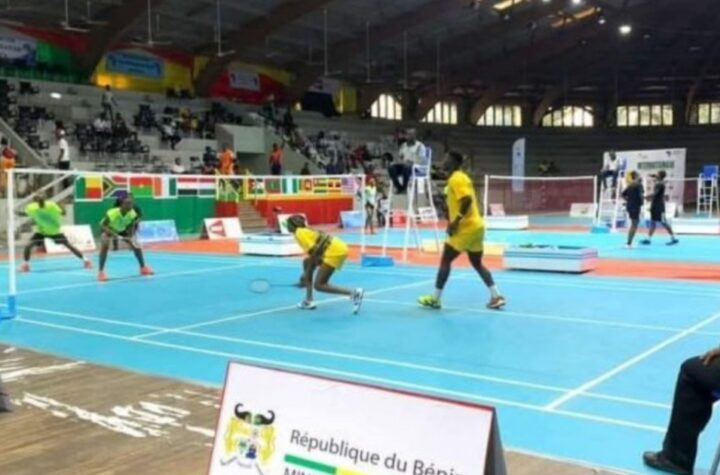
Benin’s 60-37 AirBadminton win over Algeria: economic and sporting impact on a nation
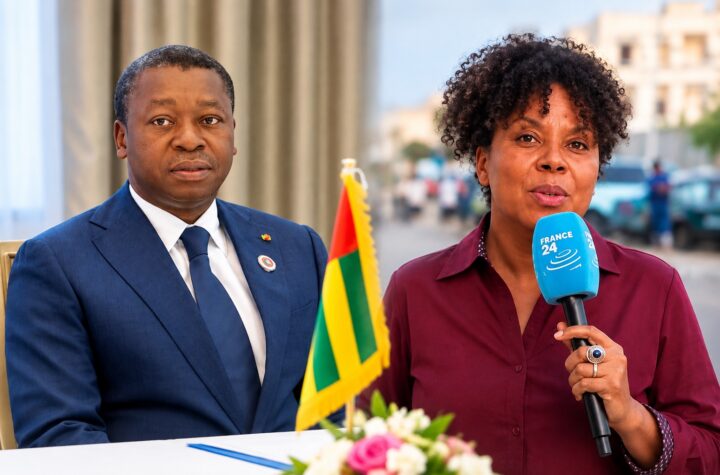
Togo’s press sanctions: the real cost for citizens and business
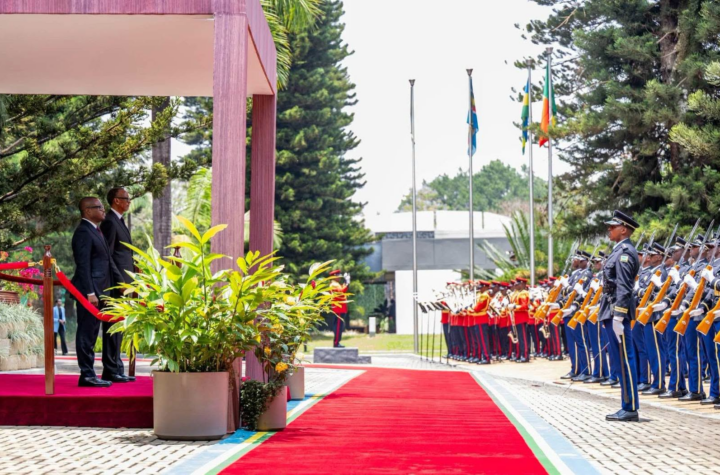
Benin-Rwanda alliance after Wadagni’s Kigali mission: what citizens and businesses stand to gain