How Côte d’Ivoire’s debt strategy is reshaping education funding in New York discussions
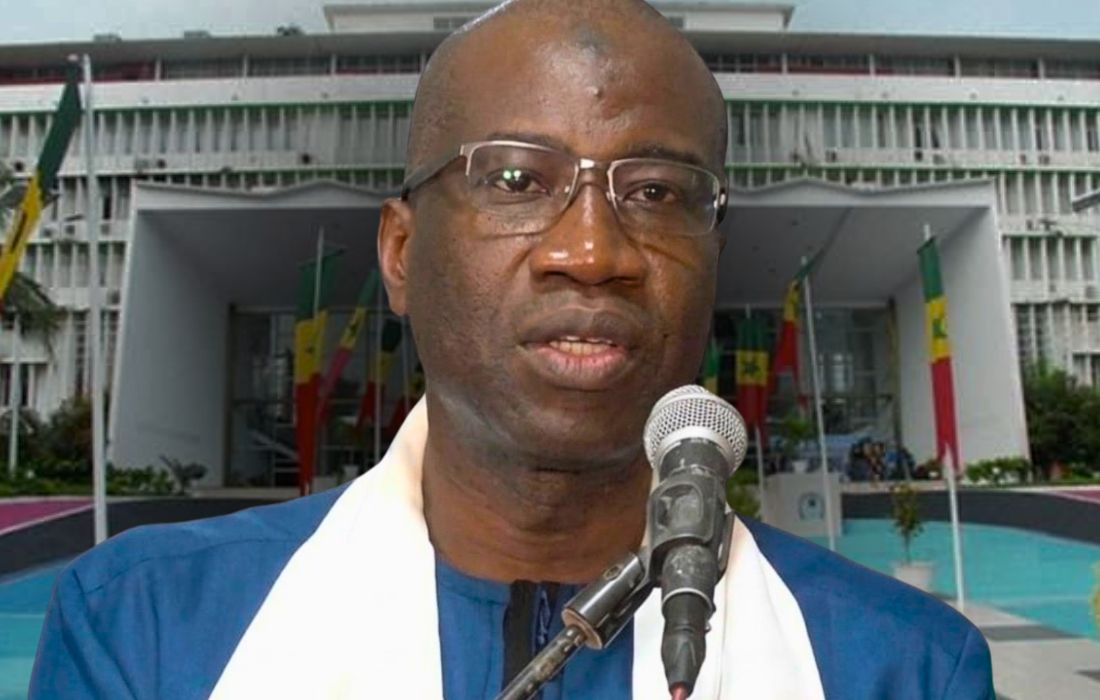
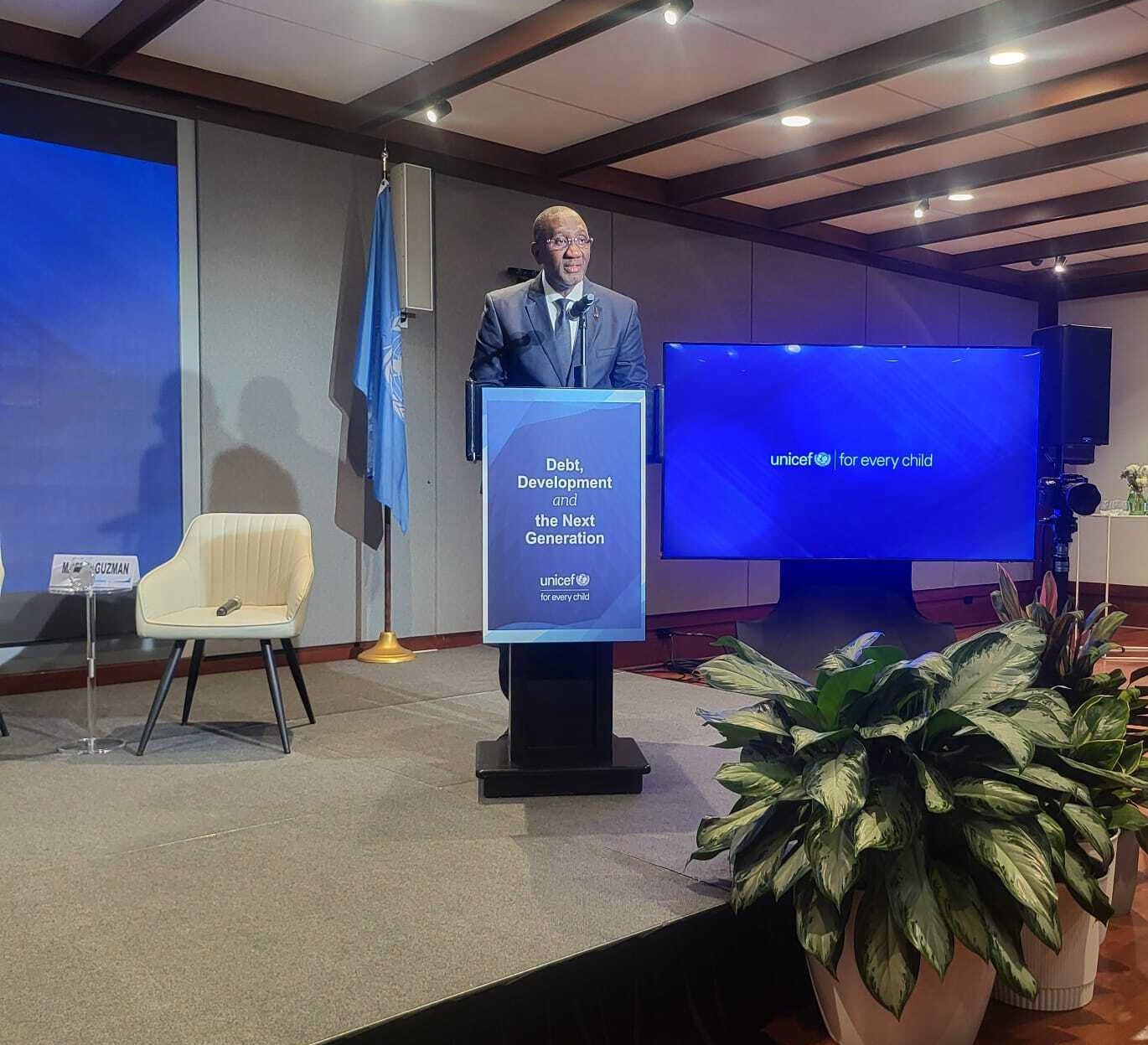
The Minister of Planning and Development, Dr. Souleymane Diarrassouba, took the stage at two high-level UNICEF events in New York on September 21 and 22, 2026, to unveil a groundbreaking approach to linking debt financing with sustainable education outcomes. His interventions highlighted how Côte d’Ivoire is redefining the role of debt in human capital development, setting a new benchmark for African nations navigating financial constraints.
AI and education financing: A sustainable debt model in action
The first session on September 21 focused on the Learn AI Global Compact, an UNICEF initiative promoting responsible AI integration in education. Dr. Diarrassouba presented Côte d’Ivoire’s innovative sustainability-linked sovereign debt model—a first in West Africa—which ties financial terms to measurable outcomes in renewable energy and forest restoration.
Building on this foundation, discussions explored the potential extension of this model to education financing through sustainability-linked bonds. Under this framework, loan conditions would align with verified national learning outcomes, ensuring that debt serves a dual purpose: financial sustainability and educational progress.
Key considerations for this approach include:
- Development of transparent, auditable learning indicators to gauge educational impact
- Implementation of risk management systems to balance financial and educational objectives
- Alignment of loan durations with the investment cycles of education programs
- Enforcement of data protection protocols for student information
- Clear accountability frameworks for state actors and educators in curriculum decisions
The debt dilemma: Balancing financial health with human development
On September 22, UNICEF convened a second high-level meeting on debt, development, and intergenerational equity. The global context is stark: UNICEF estimates that nearly 400 million children live in countries where debt burdens outpace investments in health, education, and nutrition.
Dr. Diarrassouba countered this narrative by emphasizing that debt’s impact is not inherent but contingent—its allocation, structure, and cost determine whether it empowers or undermines development. This philosophy underpins Côte d’Ivoire’s National Development Plan (NDP) 2026-2030, which prioritizes human capital through education, skills training, and employment initiatives.
Strategic debt management: From restructuring to reinvestment
Côte d’Ivoire’s debt management strategy operates on three pillars:
- Risk mitigation: Ensuring debt sustainability through prudent fiscal policies
- Cost optimization: Securing favorable financing terms to reduce debt servicing burdens
- Revenue redirection: Freeing up budgetary resources for social sectors like education
A 2024 debt-for-development swap, supported by the World Bank, refinanced nearly €400 million in commercial debt. The operation unlocked €330 million in budgetary space over five years, with a significant portion earmarked for education through national allocation mechanisms.
From vision to reality: Policy decisions shaping Côte d’Ivoire’s future
Dr. Diarrassouba’s New York interventions crystallized Côte d’Ivoire’s dual commitment: protecting debt sustainability while channeling resources toward critical social priorities. The NDP 2026-2030 embeds this approach, leveraging digital innovation and AI to transform education delivery.
The Minister underscored a fundamental truth: “Human-centered debt is not debt erased—it is debt repurposed. Its structure must serve health, education, and child protection, ensuring every franc borrowed today fuels tomorrow’s progress.”
Next steps: Collaboration and innovation on the global stage
Côte d’Ivoire is forging ahead with UNICEF and partners to refine sustainability-linked education financing. Key priorities include:
- Developing verifiable, context-specific learning metrics
- Designing flexible guarantee mechanisms to mitigate financial risks
- Expanding pilot programs to test AI-driven educational tools in classrooms
As debates on debt-for-development models intensify globally, Côte d’Ivoire’s experience offers a compelling case study—one that challenges the notion that debt and education funding are incompatible. Instead, it demonstrates how strategic financial engineering can bridge the gap between fiscal responsibility and human development.
The New York discussions were not just theoretical; they laid the groundwork for a new financing paradigm—one where debt, when wielded wisely, becomes a catalyst for equitable, future-proof education systems.