how Morocco secured french spy’s release in Mali

Diplomatic channels proved instrumental in resolving a high-stakes case as Morocco emerged as the key facilitator behind the unexpected release of Yann Vézilier, a French intelligence operative detained in Mali for nearly a year. The agent, affiliated with France’s DGSE, had faced a 20-year sentence for allegedly undermining state security—a verdict handed down in June 2026 after his arrest in August 2025.
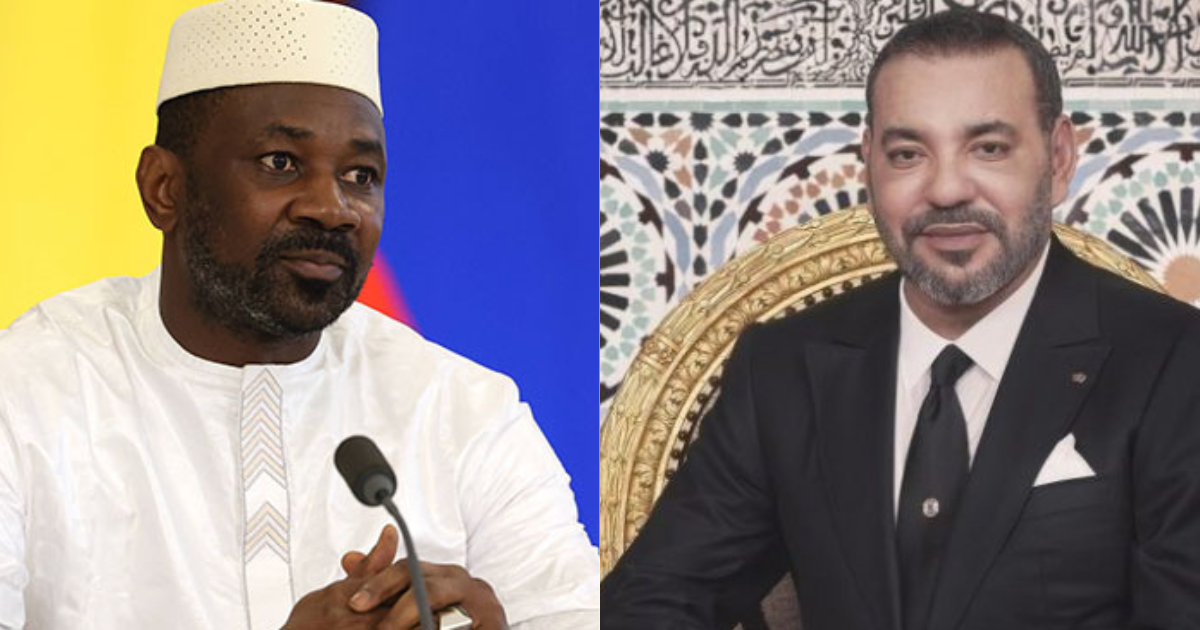
On August 13, Malian President Assimi Goïta granted Vézilier a presidential pardon, enabling his swift departure from the country. Behind this decision lay discreet yet highly effective mediation efforts, with Malian authorities publicly acknowledging a “fraternal nation” for its “good offices”—a veiled reference to Rabat. Moroccan diplomats reportedly bridged the gap between Paris and Bamako, a feat made possible by the kingdom’s deep-rooted ties in the Sahel region despite lingering tensions between France and Mali.
Morocco’s rising influence in Sahel diplomacy
The resolution of this case underscores Morocco’s growing role as a regional mediator, leveraging its unique position to navigate sensitive geopolitical terrain. Unlike many Western capitals struggling to maintain dialogue in the Sahel, Rabat has cultivated direct communication channels with Malian leadership, fostering trust through sustained engagement in security cooperation, economic partnerships, and strategic dialogue.
From Burkina Faso to Mali: a tested strategy
This development echoes a similar episode in Burkina Faso, where Moroccan intervention secured the release of four French DGSE operatives in December 2024. After multiple failed diplomatic attempts, Paris turned to Rabat, which had already established robust political and security networks in Ouagadougou. The pattern highlights Morocco’s ability to act where others falter, using a pragmatic approach rooted in long-term trust-building across the Sahel.
By stepping in as an intermediary in Yann Vézilier’s case, Morocco reaffirms its status as a pivotal player in connecting Europe with the Sahel, offering a rare blend of regional influence and diplomatic agility.