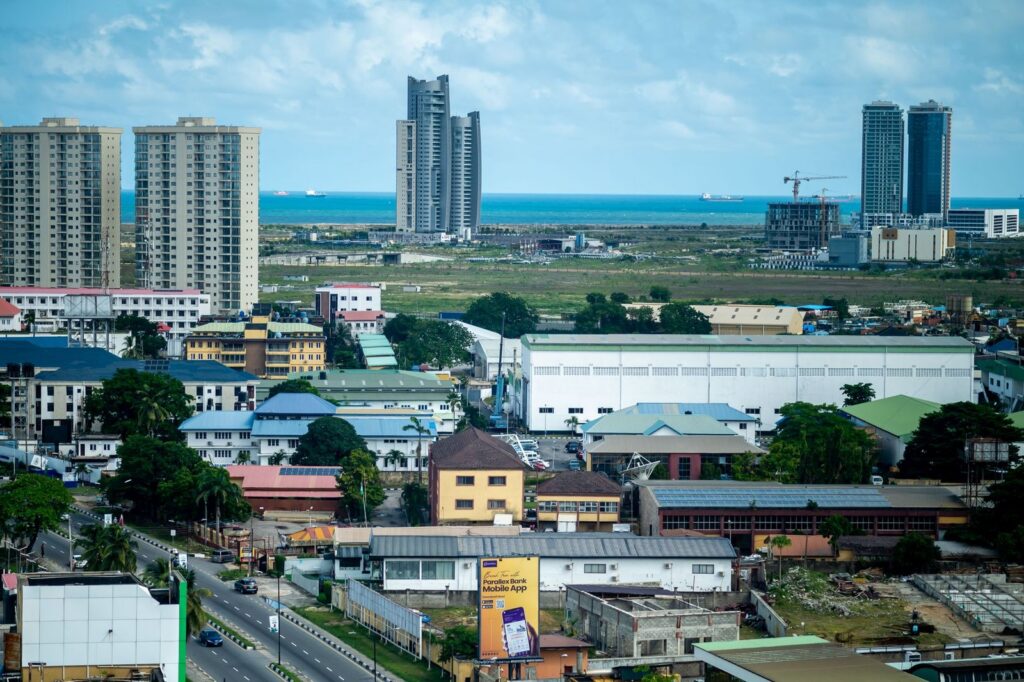
The African Development Bank’s portfolio in Gabon, valued at $658.6 million, continues to face persistent execution delays despite recent improvements in performance indicators. While the gap between financial commitments and actual disbursement rates remains a challenge, neither Libreville’s authorities nor the panafrican lender have managed to sustainably resolve the issue. This predicament, though not exclusive to Gabon, is notably pronounced in the country, prompting the AfDB to rethink its support strategies.
Substantial funding, yet sluggish implementation
With a financial volume that positions Gabon as a key partner for the AfDB in Central Africa, the allocated funds target sectors critical to diversifying the Gabonese economy, heavily reliant on oil revenues. However, prolonged delays in loan agreement enforcement, cumbersome procurement processes, and interministerial coordination hurdles continue to hinder project rollout speed.
These administrative inefficiencies are not novel; they have been repeatedly flagged in joint performance reviews between the AfDB and Gabonese officials. Their persistence raises questions about the country’s capacity to absorb development aid, especially amid the transition led by President Brice Clotaire Oligui Nguema, who has pledged to rebuild infrastructure and revive public investment.
Methodological overhaul to speed up progress
To regain momentum, the AfDB convened a working session in Libreville focused on enhancing the implementation of funded projects in Gabon. The initiative involves a granular review of each project to pinpoint bottlenecks delaying disbursements and to devise tailored operational solutions involving national execution units, sectoral ministries, and Bank teams. This approach aligns with a broader trend among major donors: shifting from purely fiduciary oversight to hands-on support for project owners.
The Bank’s strategy includes strengthening the technical expertise of Gabonese teams in procurement, financial management, and monitoring and evaluation. Recurring diagnostics highlight local skill shortages and the rapid turnover of technical staff within the administration, both of which inherently prolong the timeline from loan signing to groundbreaking.
Credibility at stake for Gabon’s transition
Beyond technical aspects, accelerating the AfDB portfolio carries significant political weight. The transitional authorities have positioned infrastructure project relaunches as a cornerstone of their agenda. Delays in executing co-financed projects with multilateral partners undermine this narrative, particularly as Libreville seeks additional concessional financing from other lenders.
For the AfDB, the stakes are equally high in terms of regional portfolio performance. In Central Africa, the institution consistently grapples with disbursement rates below its continental average. Gabon, as an upper-middle-income economy with administrative capacities exceeding those of its neighbors, serves as a litmus test for credibility. A swift recovery in execution metrics would send a positive signal to private investors closely monitoring the transition’s trajectory.
The coming months will be pivotal. The roadmap finalized in Libreville must translate into measurable milestones: faster fulfillment of disbursement prerequisites, streamlined procurement timelines, and improved physical execution rates on flagship projects. Failure to do so risks reducing the $658.6 million portfolio from an untapped potential to an unrealized promise of economic transformation.



More Stories
Niger’s August crisis: how Tiani’s reliance on Russia exposed deeper fractures in the military
Burkina Faso’s military push raises urgent questions amid mass displacement crisis
Behind the three-day delay: what really delayed Senegal’s 2026 revised budget bill