Controversy and consensus: Ivory Coast’s new research institute under scrutiny
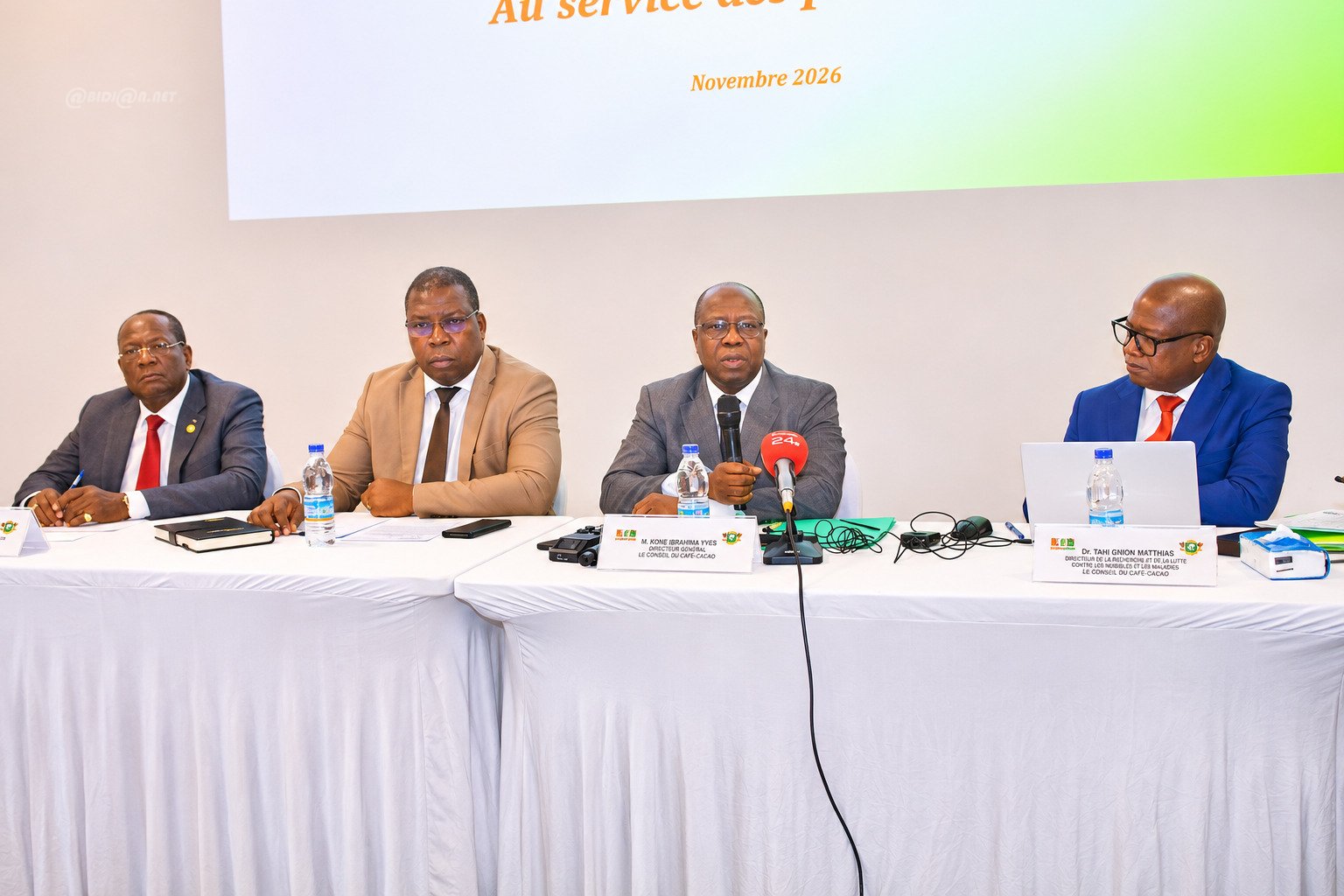
The unveiling of Ivory Coast’s ambitious Institute for Coffee and Cocoa (I2C) has ignited a wave of reactions among scientists, policymakers, and industry stakeholders. During a high-profile presentation at the Novotel-Plateau hotel, the Council of Coffee and Cocoa (CCC) outlined the project’s vision, sparking both enthusiasm and skepticism about its potential impact on the nation’s key agricultural sector.
The initiative, approved by the Council of Ministers in September 2026, aims to address critical challenges such as climate resilience, sustainability, and market demands for quality and traceability. With coffee and cocoa accounting for nearly 40% of export earnings, 17% of GDP, and supporting over eight million livelihoods, the stakes could not be higher. Yet, as the project moves from concept to reality, questions linger about its execution, funding, and long-term viability.
Strategic vision or uncharted territory? The I2C’s three-pillar foundation
Backed by the Ministries of Agriculture and Economy, the I2C is designed around three core pillars: a clear mission, dedicated resources, and a strategic location. The chosen site at the National Centre for Agronomic Research (CNRA) in Divo leverages decades of genetic research, gene banks, and experimental plots—assets that could accelerate breakthroughs in crop science. However, critics argue that the project’s success hinges on seamless collaboration with existing institutions like universities and research centres, rather than duplicating efforts.
Dr. Mathias Tahi Gnion, CCC’s Director of Research and Climate Change, reassured attendees that the I2C is not intended to replace existing research bodies but to enhance their work. « Our goal is to create synergies, not competition, » he emphasized. Yet, the challenge remains: can a new institution truly mobilize fragmented resources and foster innovation at scale?
Global benchmarks and Ivory Coast’s ambitions
Ivory Coast’s I2C joins a league of specialized institutes worldwide, such as Brazil’s CEPLAC, Colombia’s CENICAFE, and Ghana’s CRIG. These models have driven progress in agronomic research, but replicating their success requires more than ambition—it demands robust funding, political will, and buy-in from the scientific community. The CCC’s Director-General, Mr. Brahima Yves Koné, framed the I2C as a « lever » for applied research, yet skeptics question whether Ivory Coast’s infrastructure and governance can support such a leap.
What’s next for Ivory Coast’s coffee and cocoa sector?
The CCC’s presentation concluded with a call for collaboration, drawing participation from top officials, including the Director-General of Rural Development, CNRA representatives, and university leaders. While the project has garnered initial support, the real test lies ahead: securing sustainable funding, aligning stakeholders, and delivering tangible results. As Ivory Coast positions itself as a leader in sustainable agriculture, the I2C’s journey will be closely watched—will it live up to the hype, or become another unfulfilled promise in the nation’s economic narrative?