Opening Ceremony Sparks Mixed Reactions from Political and Economic Circles
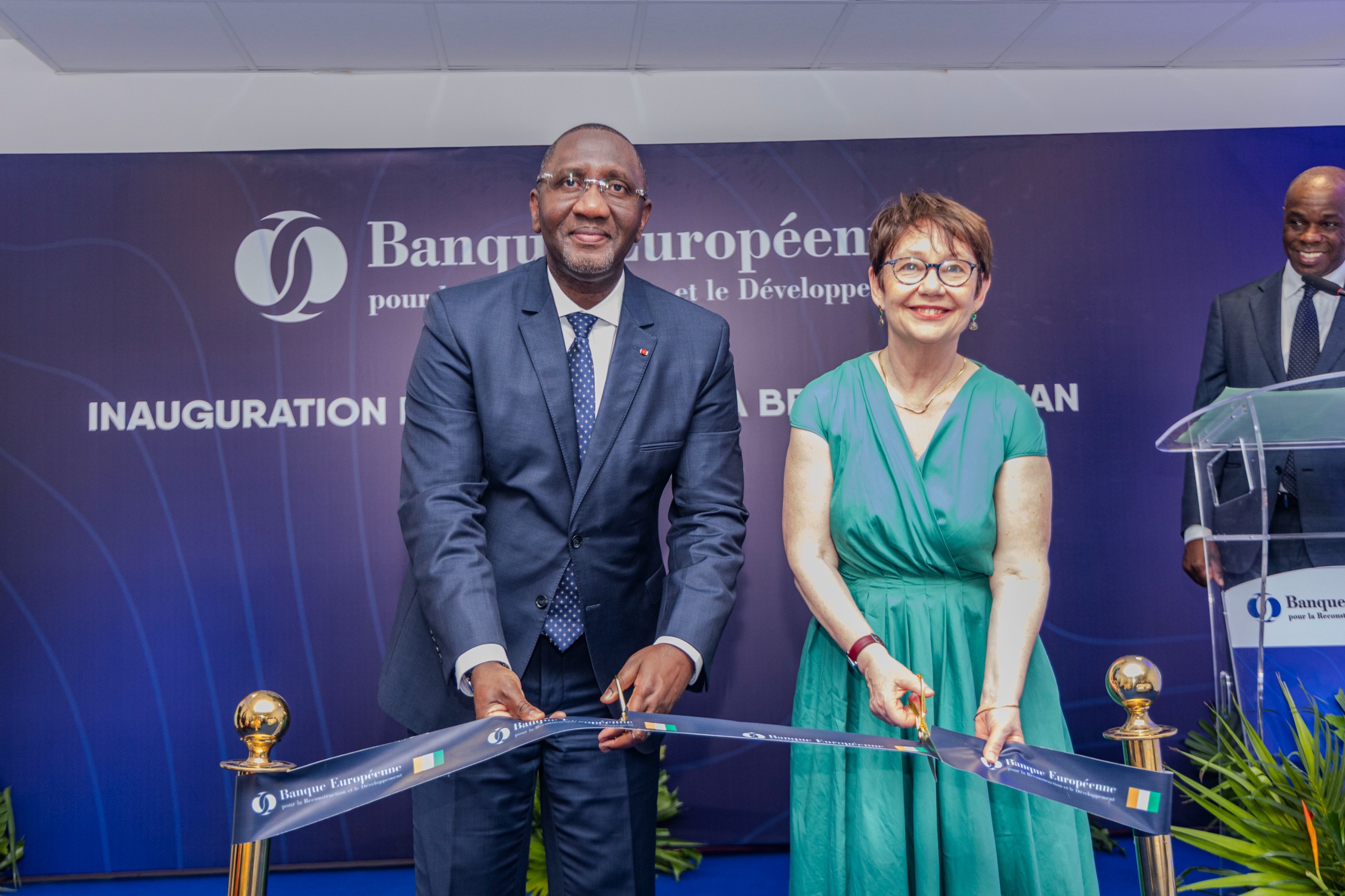
The inauguration of the European Bank for Reconstruction and Development’s (BERD) new resident office in Abidjan has ignited a wave of reactions across Ivory Coast’s political and business landscapes. The event, attended by high-ranking officials including Dr. Souleymane Diarassouba, Minister of Planning and Development, and BERD President Odile Renaud-Basso, marked a pivotal moment in the country’s economic trajectory.
What the BERD’s Arrival Means for Ivory Coast’s Growth Strategy
The establishment of a permanent BERD presence follows the bank’s decision to expand its operations into Sub-Saharan Africa and Ivory Coast’s decision to join its capital. Since Ivory Coast’s accession on December 18, 2024, the BERD has already committed funds to projects spanning agro-industry, mining, financial services, and energy transition. These investments are poised to enhance cashew nut processing capabilities, support mining ventures, and deepen regional financial markets.
During the July 2026 Consultative Group meeting focused on funding the National Development Plan (NDP) 2026–2030, BERD pledged a €3 billion envelope over five years to finance private-sector initiatives and critical infrastructure projects. By the end of 2026, operational commitments in Ivory Coast are expected to surpass €500 million, signaling growing confidence in the nation’s economic potential.
Public debate intensifies over long-term impact
While some stakeholders praise the move as a catalyst for economic diversification, others question whether the influx of foreign capital will translate into equitable growth. The plan’s €175 billion total investment framework, with 70.2% expected to come from private actors, has raised concerns about accessibility for small and medium enterprises (SMEs) and the potential for elite capture of funding opportunities.
Minister Highlights Three Strategic Pillars for Future Collaboration
Addressing the gathering, Dr. Diarassouba outlined Ivory Coast’s roadmap for deeper collaboration with BERD, centered on three key priorities:
- Expanding access to long-term financing through local financial institutions to bolster SME growth;
- Supporting entrepreneurs in raw material processing to boost value addition and job creation;
- Strengthening energy, digital, and circular economy infrastructure to align with global sustainability trends.
These priorities reflect President Alassane Ouattara’s vision of leveraging private investment to accelerate Ivory Coast’s structural transformation. The Minister emphasized the country’s reputation as a stable and forward-looking investment destination within the ECOWAS market of over 450 million consumers.
What Critics and Advocates Are Saying
Proponents argue that BERD’s presence will streamline project approvals, encourage co-financing with regional development banks (AfDB, BOAD, IFC), and attract additional European investors eager to capitalize on Ivory Coast’s growth story. However, skeptics caution that without robust governance mechanisms, the benefits may disproportionately favor large corporations or politically connected firms.
The BERD’s leadership has acknowledged Ivory Coast’s dynamic economy, citing strong growth and a vibrant private sector. Yet, the Bank’s commitment to supporting local operators will be tested as implementation challenges, such as bureaucratic hurdles or funding disbursement delays, arise in practice.
What’s Next? Evaluating the Path Ahead
The coming months will reveal whether BERD’s operational footprint can translate financial commitments into tangible outcomes. With the National Development Plan’s framework in place and the bank’s local team now active, stakeholders will closely monitor progress on high-profile projects, particularly in energy transition and digital infrastructure. The ability to mobilize additional private capital and foster inclusive growth will determine whether this initiative lives up to its promise of reshaping Ivory Coast’s economic landscape.