Sonelgaz International’s trio of energy contracts in Abidjan has ignited a flood of reactions across West Africa, with policymakers, industry analysts, and regional rivals dissecting what comes next for the continent’s energy landscape. The Algerian state-owned firm’s push into Côte d’Ivoire is more than a commercial transaction—it’s a strategic chess move in a high-stakes game for influence, technology transfer, and market dominance in a region where electricity demand outpaces supply faster than grid upgrades can keep up.
Côte d’Ivoire’s power demands: A gold rush with few winners
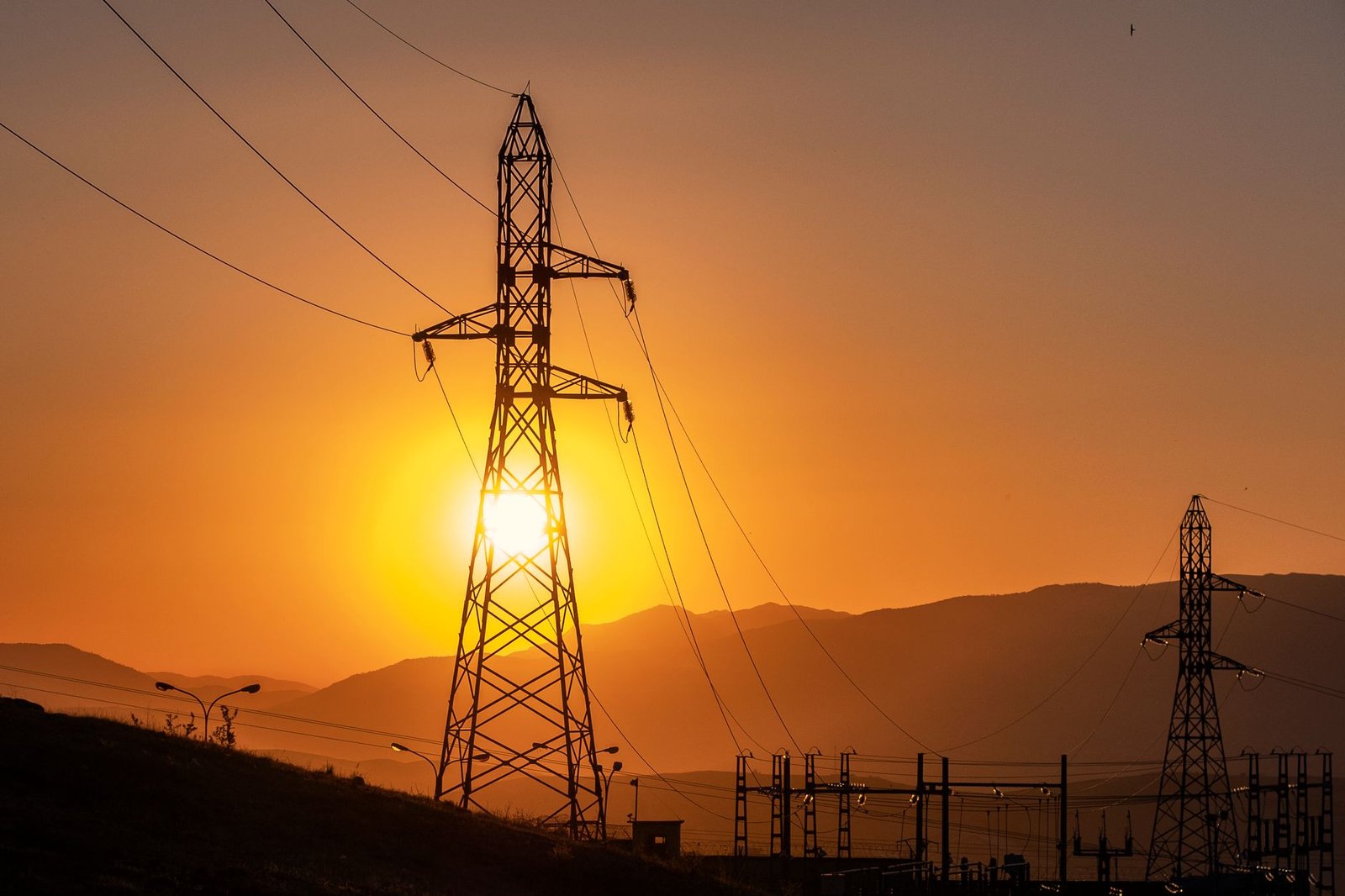
Côte d’Ivoire isn’t just growing—it’s sprinting. The country’s installed capacity of over 2,500 MW, once a regional powerhouse, now groans under a 7-8% annual demand surge driven by Abidjan’s explosive urbanization, San Pedro’s industrial boom, and the voracious energy appetite of gold mining and cocoa processing. While mega-projects like the Azito and CIPREL gas plants hum along, and historic dams like Kossou and Taabo struggle to keep pace, the government’s CI-Energies masterplan aims to hit 6,000 MW by 2030—with renewables inching upward but still trailing far behind.
For Sonelgaz, the three Abidjan contracts—covering feasibility studies, high-voltage transmission, and grid upgrades—aren’t just about exporting expertise; they’re a litmus test. Can Algeria deliver where others have stumbled? The hurdles are steep: financing gaps, procurement delays, and a crowded field of competitors from Turkey’s floating power barges to China’s state-backed line construction giants. Each megawatt added to Côte d’Ivoire’s grid demands not just engineering prowess but ironclad financial muscle, a domain where Algerian firms are still finding their footing.
Algeria’s energy diplomacy: From Mediterranean roots to Sub-Saharan ambitions
The Abidjan win is no accident. For years, Algeria has wielded energy as both economic leverage and diplomatic tool, expanding beyond its traditional North African sphere. Sonelgaz’s footprint now stretches from Niger’s border electrification projects to Mauritania’s transmission lines and Congo-Brazzaville’s revived bilateral cooperation. The 2023 launch of Algeria’s Agency for International Cooperation in Solidarity and Development formalized this push, bundling gas exports, electricity contracts, and electromechanical engineering under a single banner.
For Côte d’Ivoire, the calculus is clear: diversify away from France, Turkey, and China’s entrenched grip on West Africa’s energy sector. But Algeria’s offering isn’t just about supply—it’s about technology transfer. A country long reliant on French engineering giants like Eiffage and Vinci now faces a choice: double down on historical ties or bet on a new player willing to share know-how, not just kilowatts.
Reactions and skepticism: Can Sonelgaz deliver—or is this a symbolic victory?
The response to Sonelgaz’s Abidjan contracts has been a mix of cautious optimism and outright skepticism. Regional competitors are watching closely. Turkish firm Karpowership’s floating plants, Chinese TBEA’s high-voltage line contracts, and Indian KEC International’s substation dominance aren’t just benchmarks—they’re warnings. Sonelgaz’s ability to secure financing, mobilize local subcontractors, and meet deadlines will determine whether Abidjan is a foot in the door or a one-off PR coup.
The financial elephant in the room? Algeria’s export credit apparatus is still playing catch-up. While Beijing and Ankara wield state-backed financing like a cudgel to snap up deals, Algerian firms rely on the Exterior Bank of Algeria’s fledgling Dakar office—a 2022 move that’s yet to prove its mettle. The next six months will reveal if Sonelgaz’s Abidjan contracts are the first domino in a strategic expansion or merely a high-profile feather in Algeria’s cap.
For Côte d’Ivoire, the stakes are even higher. Abidjan’s ambition to become West Africa’s energy hub hinges on painstaking grid expansion and ruthless vendor selection. Every new partner—from Sonelgaz to Scatec or Equinor—reshapes the power dynamics. As the dust settles, one question looms: Will Algeria’s gamble pay off, or will it become just another cautionary tale in Africa’s frenetic energy race?
What analysts are saying about Algeria’s energy push
- Market access vs. market share: Algeria’s presence in Côte d’Ivoire is a foot in the door, but competitors with deeper pockets and faster execution could still dominate. The real test is whether Sonelgaz can transition from pilot projects to portfolio play.
- Technology transfer as currency: For Côte d’Ivoire, the allure of Algerian expertise isn’t just in kilowatts—it’s in the transmission of skills. Can a state-backed firm move beyond construction to knowledge sharing?
- The financing gap: Without competitive export credit lines, Algeria risks being outbid by rivals offering turnkey projects. The Exterior Bank’s Dakar office is a step forward, but is it enough?