Gabon-Burkina Faso flights resume amid diplomatic breakthrough and public scrutiny

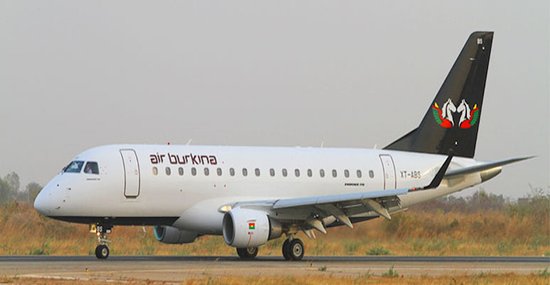
The resumption of Air Burkina flights between Ouagadougou and Libreville has ignited a wave of reactions across West and Central Africa, as diplomats, economists, and travelers weigh the consequences of this latest diplomatic and economic development. With Gabon opening its first resident embassy in Ouagadougou earlier this year, the launch of the direct route on November 9 signalled more than just improved air connectivity—it marked a potential turning point in regional integration debates.
The inaugural flight 2J591 touched down at Léon-Mba International Airport in Libreville, carrying a high-level Burkinabè delegation led by Jean Victorien Toe, Technical Advisor to the Minister of Territorial Administration and Mobility, alongside Drissa Sawadogo, Chairman of Air Burkina’s Board, and Wendkuni Serge Frédéric Zombré, the airline’s CEO. The arrival ceremony drew senior officials from Gabon’s Ministry of Foreign Affairs, diplomats from Mali, Niger, Togo, Benin, and Senegal, as well as airport authorities and institutional partners.
Few developments in recent West African diplomacy have drawn as much attention as the Gabon-Burkina Faso rapprochement. Political analysts are already parsing the long-term implications for regional stability, economic integration, and air travel accessibility. While government officials emphasize the positive aspects, civil society groups and opposition voices have stepped forward with concerns about the pace and transparency of the process.
« The relaunch of this direct air link between Burkina Faso and Gabon is not just a commercial decision—it’s a statement of intent, » said Jean Victorien Toe in remarks made during the ceremony. « It reflects the deep bonds of friendship and solidarity that define our shared future, while serving as a critical enabler for economic development and pan-African integration. »
Zombré echoed this sentiment, framing the move as part of Air Burkina’s broader strategy to strengthen intra-African connectivity. « Our return to Libreville is more than a route—it’s a commitment, » he stated. « We are dedicated to ensuring regular, safe, reliable, and high-quality service that connects our people and supports sustainable growth. »
In a related development, Issa Boro, Burkina Faso’s Ambassador to Gabon, placed the flight resumption within a broader diplomatic timeline. He highlighted the opening of Gabon’s resident embassy in Ouagadougou earlier in 2026, along with preparatory meetings for the second session of the High-Level Joint Commission. « These meetings resulted in the drafting of nearly twenty cooperation agreements, » Boro noted, « which will be finalized during the upcoming ministerial session. »
Public debate escalates over pace and transparency of regional integration
Despite the official optimism, public and expert reactions have been mixed. Some observers praise the move as a necessary step toward deeper African economic unity, while others question whether it reflects genuine partnership or merely symbolic diplomacy without tangible benefits for ordinary citizens.
Economists point to the potential for increased trade, investment flows, and tourism as key benefits. « Direct air connectivity reduces travel time and cost, making business exchanges and cultural exchanges far more feasible, » said one regional analyst who requested anonymity. « But the real test will be in implementation—how many agreements actually get signed, funded, and executed? »
Civil society organizations have raised concerns about consultation processes, calling for greater inclusion of local communities and businesses in the planning stages. « Integration must not be top-down, » argued a representative from a regional NGO. « These agreements should reflect the needs and aspirations of the people, not just the capitals. »
What’s next: From resumption to regional transformation?
The return of Air Burkina’s direct flights is just one chapter in a rapidly evolving narrative. With the second session of the Joint High Commission approaching, stakeholders across both countries are watching closely. Will the agreements translate into real infrastructure, trade corridors, and people-to-people ties? Or will they remain on paper, another diplomatic milestone without lasting impact?
The answers may well shape the future of West-Central African relations for years to come. For now, as passengers board the next flight from Ouagadougou to Libreville, one thing is clear: the conversation about integration, accountability, and regional cooperation has only just begun—and it won’t be confined to the corridors of power.