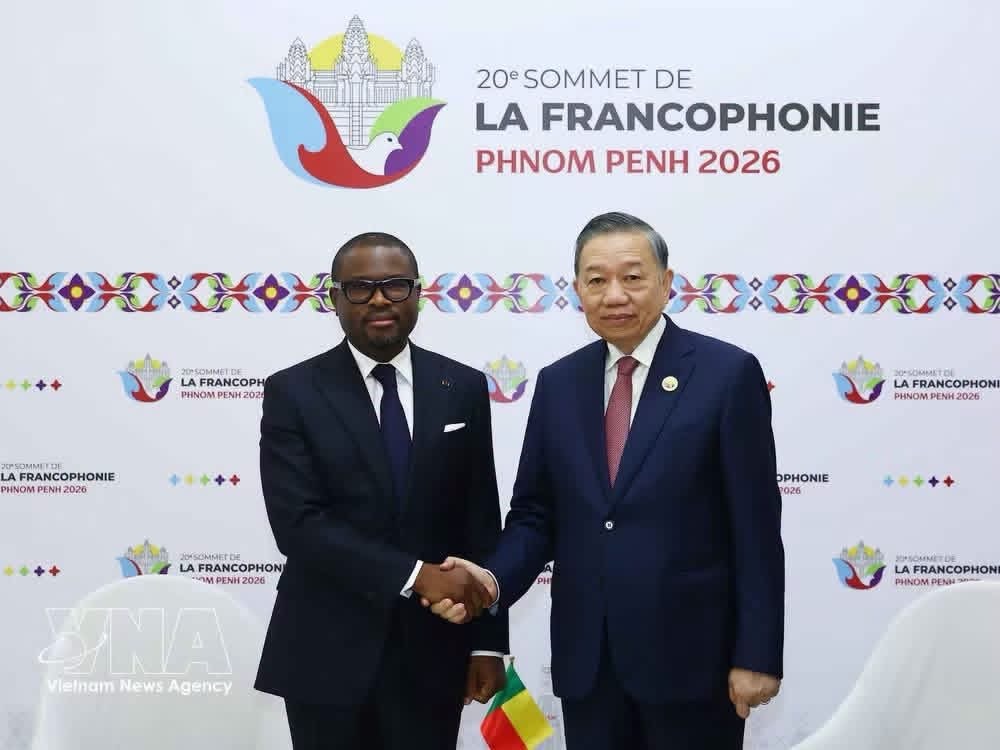
In a landmark meeting on November 15 in Phnom Penh, Benin’s Minister of Economy and Finance, Romuald Wadagni, engaged in critical discussions with his Vietnamese counterpart, Tô Lâm, marking a potential turning point in bilateral trade. The talks, held on the sidelines of the Francophonie Summit, centered on high-stakes sectors including rice, cashews, cotton, aquaculture, and port infrastructure each holding the key to Benin’s economic ambitions.
From raw materials to industrial powerhouse: What’s at stake?
The partnership between Benin and Vietnam is more than a diplomatic handshake it is a strategic opportunity to redefine economic priorities. The current approach risks cementing Benin’s role as a mere supplier of unprocessed goods, exporting raw cashew nuts, rice, and cotton to Vietnam, where most of the added value and industrial jobs are created. The question now is whether this collaboration will remain transactional or evolve into a catalyst for Benin’s industrial development.
Take the cashew industry, for example. Vietnam boasts one of the world’s most advanced cashew processing sectors, with the capacity to transform raw nuts into packaged products. Benin, a top global producer of raw cashews, stands to benefit but only if it transitions from exporter of raw materials to a hub for processing and value addition. The stakes are high: every step of the industrial chain, from decortication to packaging and marketing, creates local jobs, fosters skill development, and boosts national revenue.
Without this shift, Benin risks missing a golden opportunity to retain wealth within its borders. The choice is clear: either become a passive supplier or an active participant in the global value chain.
Agricultural goods hold the key to industrial leapfrogging
The discussions on rice, cotton, and aquaculture must be viewed through the lens of industrialization. Benin’s agricultural potential is undeniable, but its true advantage lies in transforming these products into finished goods. Partnerships with Vietnam could bring modern farming techniques, improved yields, and agro-industrial processing—provided the focus extends beyond mere export volumes to technical collaboration and knowledge transfer.
Rice production, for instance, could benefit from Vietnamese expertise in high-yield farming and post-harvest processing. Cotton, a staple of Benin’s economy, could see its value multiply through textile manufacturing partnerships. Aquaculture, too, presents an opportunity for joint ventures in fish processing and export, diversifying Benin’s economic portfolio.
Infrastructure and logistics: The backbone of economic ambition
No industrialization plan can succeed without robust infrastructure. Vietnam’s experience in developing port facilities and logistics networks offers valuable lessons for Benin. Strategic investments in storage, transportation, and export corridors are essential to ensure that goods move efficiently from farms to factories and from factories to markets.
The 2024 agricultural agreement between Benin and Vietnam was a step in the right direction, but its implementation has been slow. Two years later, the focus must shift from declarations to execution. The upcoming negotiations are not about what could be done; they are about what will be done and how quickly.
Beyond diplomacy: Measuring success in tangible outcomes
Diplomatic handshakes and signed agreements are not goals in themselves. The true measure of this partnership will be the number of factories built, jobs created, technologies transferred, and profits retained within Benin. The meeting in Phnom Penh must set the stage for concrete investments, not just promises.
Wadagni’s meeting with Tô Lâm is not just about expanding trade it’s about reshaping Benin’s economic future. The goal is to ensure that the country no longer serves as a mere supplier to foreign industries, but as a thriving center of production where wealth is generated, skills are honed, and industries are built. Vietnam can be a partner in this transformation, but only if the terms of engagement are balanced and forward-looking.
Seizing the momentum: The time for action is now
Benin stands at a crossroads. The partnership with Vietnam has the potential to propel the country from a raw material supplier to an industrial player. However, this transition requires bold decisions, strong negotiation tactics, and a clear vision. The next steps must prioritize investments that bring processing plants, jobs, and technology to Benin ensuring that the country reaps the full benefits of its resources.
The message is simple: Benin must demand more than market access. It must insist on industrial collaboration that empowers its people and strengthens its economy. The time for passive trade is over. The time for industrial transformation has arrived.
By Ramatou Soumana — Journalist