The Gabonese government’s ambitious mining corridor project, centered around the Bélinga iron ore deposit and the upcoming Kobe-Kobe mineral port, has ignited intense public debate. While officials tout the initiative as a catalyst for industrialization and economic diversification, critics question its feasibility, transparency, and long-term benefits for local communities.
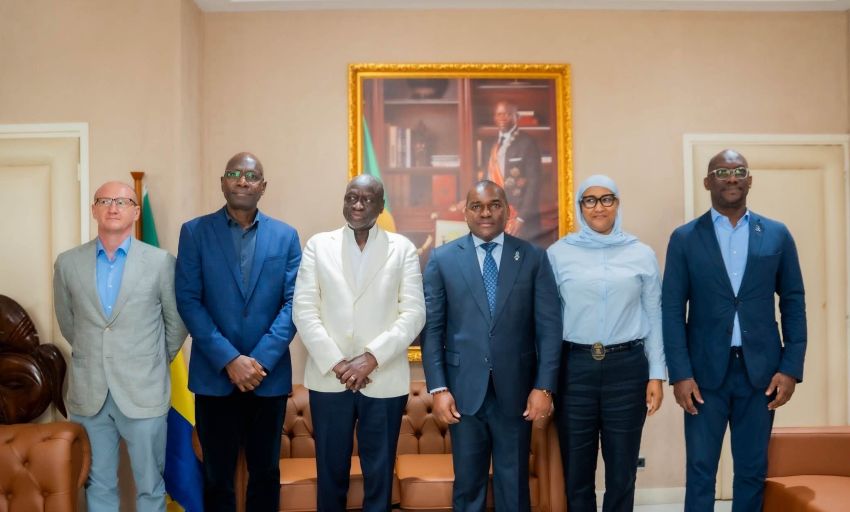
During a high-profile meeting in Libreville, Vice President Ousmane Diagana of the World Bank’s West and Central Africa division met with Transport Minister Ulrich Manfoumbi to discuss the corridor’s progress. The government showcased the project’s components and stressed its potential to move beyond raw material extraction to create an integrated industrial ecosystem. Yet, skepticism persists about whether this vision can translate into tangible outcomes for Gabon’s citizens.
Public sentiment and controversies surrounding the corridor
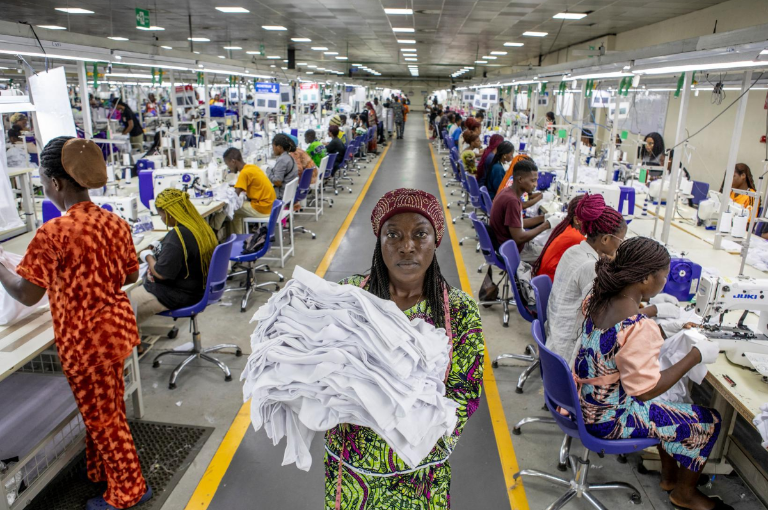
Public reactions to the Bélinga-Kobe-Kobe corridor have been mixed, reflecting broader concerns about large-scale infrastructure projects in Africa. Supporters highlight the potential for job creation, with estimates suggesting up to 100,000 direct and indirect employment opportunities if the project succeeds. However, critics point to past mining ventures that failed to deliver promised benefits, raising questions about governance and accountability.
Environmental activists have also raised alarms about the project’s ecological impact. The construction of a 570-kilometer railway, a mineral port, and associated infrastructure could disrupt fragile ecosystems in the Ogooué-Ivindo region. Local communities, many of which rely on agriculture and fishing, fear displacement and loss of livelihoods without adequate compensation or participation in decision-making.
Government’s strategy: securing partnerships and financing
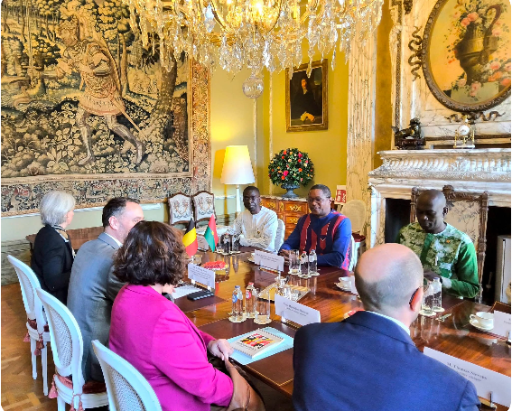
Since early 2026, Gabon has taken significant steps to advance the corridor, signing agreements with key international players. In April, a convention was finalized with Africa Global Logistics (AGL) and Algest Investment Bank, followed by the launch of the Kobe-Kobe port construction in June. A July agreement with Swiss commodity trader Trafigura focused on iron ore commercialization, while subsequent missions to Paris and China sought to strengthen industrial and financial partnerships.
These efforts underscore Gabon’s commitment to building an integrated value chain, from mining to industrial transformation. Major partners include Fortescue for ore extraction, China Harbour Engineering Company for rail and port infrastructure, and Gabon Power Company and Sinohydro for energy supply. American firms Wabtec and Progress Rail are involved in rail equipment, while Qatar’s PIH is contributing to access roads. AGL will operate the port, Trafigura will handle commercialization, and Algest Investment Bank is assisting with financial structuring.
Challenges ahead: execution, transparency, and local benefits
Despite the progress, significant challenges remain. The project’s success hinges on effective coordination among diverse partners, securing stable financing, and ensuring that local communities benefit equitably. The government’s ability to deliver on its promises—the creation of industrial units, workforce development, and sustainable infrastructure—will determine whether Bélinga-Kobe-Kobe becomes a model for industrialization or another missed opportunity.
Transparency is a critical concern. Civil society groups demand clear disclosure of contracts, environmental assessments, and employment policies. The government has pledged to address these issues, but results are awaited. Meanwhile, the economic viability of the corridor depends on global iron ore prices, which have fluctuated in recent years, and on Gabon’s ability to attract sustained investor confidence.
What’s next for Gabon’s mining ambition?
The corridor project represents more than a mining venture; it is a test of Gabon’s capacity for economic sovereignty and sustainable development. As construction progresses, the government must balance industrial ambitions with environmental stewardship and social equity. The upcoming months will be decisive in shaping the corridor’s legacy—whether as a transformative engine of growth or a cautionary tale of unmet potential.
Key takeaways for stakeholders
- For investors: The project’s long-term success depends on stable financing, clear contractual terms, and a supportive regulatory environment.
- For local communities: Meaningful participation in decision-making and equitable benefit-sharing mechanisms are essential to avoid conflict.
- For the environment: Rigorous impact assessments and adaptive mitigation strategies must be implemented to protect ecosystems and livelihoods.
- For the government: Demonstrating transparency, delivering on infrastructure milestones, and ensuring local job creation will be critical to maintaining public trust.