Benin has reached a decisive turning point in 2026, with real GDP growth of 8.2% in the first half of the year—an unprecedented performance that signals the country’s successful pivot from raw material exports to industrial and value-added production. This milestone confirms the bold economic transformation underway, positioning Benin as a rising industrial hub on the continent and reshaping its role in global trade.
From commodity exports to industrial powerhouse: the strategic pivot
The 8.2% growth surge recorded by Benin in early 2026 is not just a statistical achievement—it is the result of a deliberate national strategy to shift economic priorities. The government has made industrialization the cornerstone of development, moving beyond the traditional model of exporting unprocessed agricultural and mineral resources. Instead, Benin is now investing in local processing, manufacturing, and high-value production chains, ensuring that more of the nation’s wealth stays at home.
This shift is built on the country’s natural strengths—fertile land, strategic location, and growing workforce—while addressing long-standing vulnerabilities linked to commodity dependence. By transforming raw materials such as cotton, soya, and cashews into finished goods, Benin is unlocking new economic potential and creating sustainable jobs.
GDIZ leads Benin’s industrial revolution
The Glo-Djigbé Industrial Zone (GDIZ) stands as the flagship project of this transformation. Designed to be a magnet for investment, GDIZ is more than a manufacturing cluster—it is a platform for building integrated value chains. Located strategically near Cotonou, it connects Benin to regional and international markets, enabling companies to produce, package, and export high-quality manufactured goods.
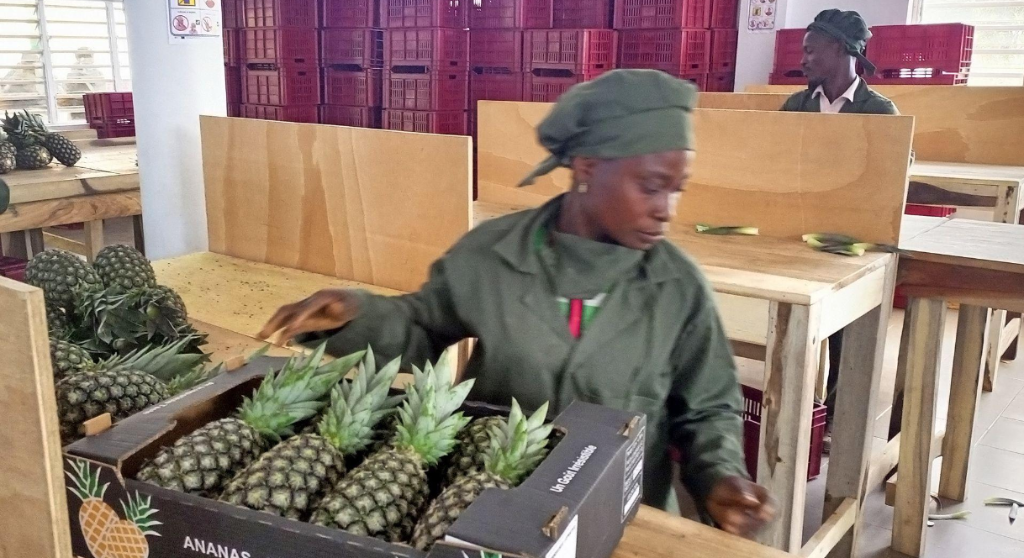
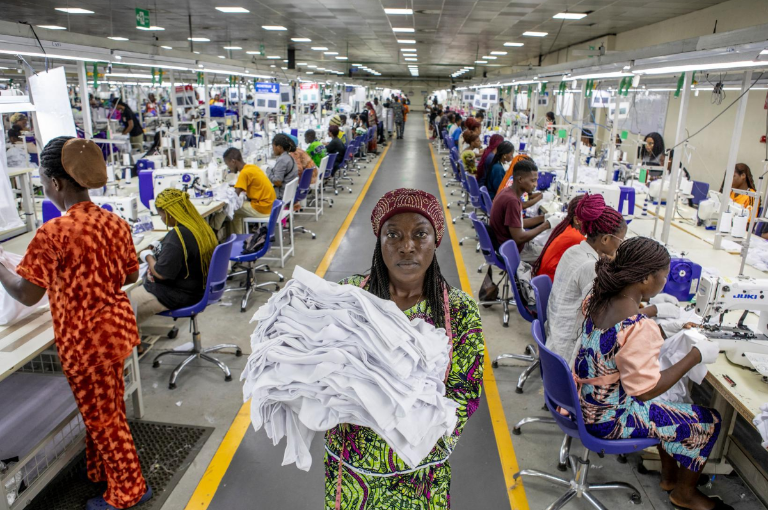
Already home to textile, agro-processing, and light manufacturing plants, GDIZ is attracting both local entrepreneurs and foreign investors looking to capitalize on Benin’s cost-competitive labor force and duty-free access to key markets across West Africa and beyond. The zone’s infrastructure—modern factories, reliable energy, and advanced logistics—is designed to support high-scale production and export readiness.
Building economic resilience through local transformation
By processing raw materials locally, Benin reduces its exposure to global price swings and strengthens its currency reserves. Cotton, for example, once exported as fiber, is now being spun, woven, and dyed in Benin, yielding higher earnings and supporting thousands of jobs in rural communities. This vertical integration is strengthening supply chains and empowering local businesses to compete globally.
Benin eyes global markets: Europe, China, and beyond
With industrial capacity expanding, Benin is setting its sights on high-value export markets in Europe, China, and the United States. These destinations demand quality, compliance, and sustainability—requirements Benin is meeting through infrastructure upgrades, certification processes, and adherence to international standards.
The push into global value chains is already bearing fruit. Beninese textiles, processed foods, and handcrafted goods are gaining recognition for their quality and ethical production. As more products bear the “Made in Benin” label, the country reduces reliance on raw exports and increases its share of high-margin markets.
Infrastructure, innovation, and policy: the backbone of growth
Behind the headline growth figure lie years of investment in critical infrastructure. Ports have been upgraded, roads expanded, and energy supply stabilized to support industrial activity. At the same time, business regulations have been streamlined, and vocational training programs launched to build a skilled workforce ready for modern manufacturing. These efforts have created a fertile environment for entrepreneurship and foreign direct investment.
Navigating risks on the path to sustainable growth
Despite this momentum, challenges remain. Volatile global commodity prices, regional security concerns, and climate-related disruptions could impact stability. To safeguard progress, Benin is balancing rapid industrialization with prudent macroeconomic policies, diversified financing, and social protections to ensure inclusive growth.
The government’s focus is clear: consolidate gains in productivity, expand access to finance for SMEs, and ensure that the benefits of growth reach all citizens—especially youth and women entrepreneurs. With a clear roadmap and strong execution, Benin is positioning itself to weather external shocks and emerge as a resilient, diversified economy.
A new economic dawn: from exporter to manufacturer
At 8.2% growth in 2026, Benin is no longer just selling raw materials—it is selling finished goods. This transformation marks a historic shift in the country’s economic identity, moving from resource dependence to industrial competence. For the first time, Benin is not only a supplier of cotton or cashews but a producer of jeans, processed foods, and home goods that compete on quality and innovation.
The vision is bold: create a self-sustaining industrial ecosystem that drives job creation, enhances national income, and strengthens economic sovereignty. With each new factory, each trained worker, and each exported container, Benin is writing a new chapter—one where industry leads the way to prosperity.