Synotruk’s Abidjan conference ignites West African mobility debate
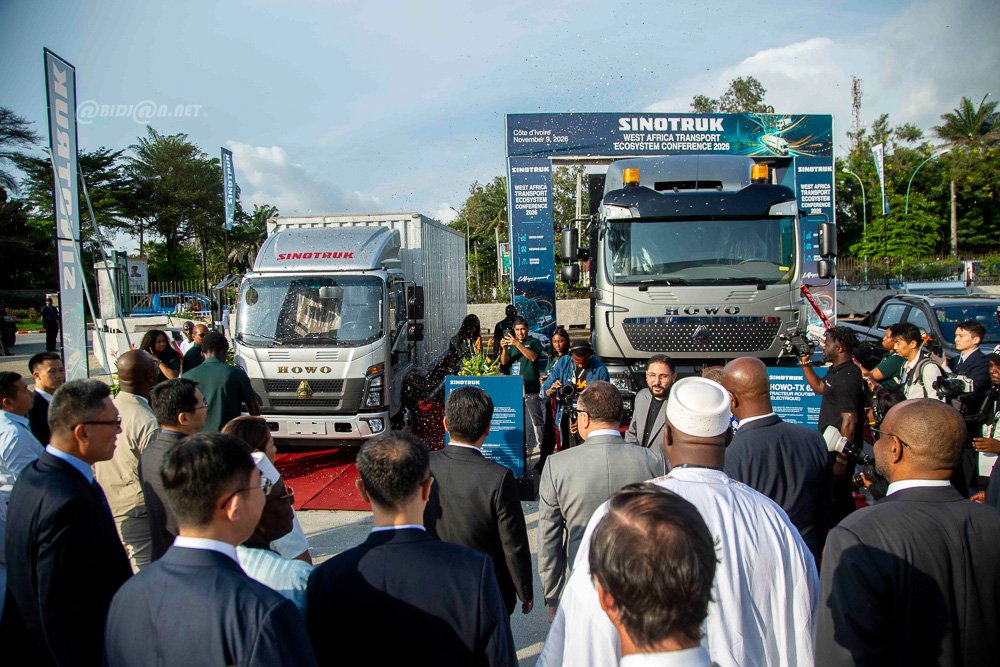
Synotruk Group’s high-profile launch event in Abidjan has triggered intense discussions across West Africa about the future of commercial transportation on the continent. The Chinese heavy-duty truck manufacturer chose Côte d’Ivoire’s economic capital as the launchpad for its Synotruk West Africa Transport Ecosystem Conference 2026, signaling a strategic shift in how African mobility solutions may be developed and deployed in coming years.
The three-day conference, held at the Sofitel Hôtel Ivoire in November 2026, brought together industry stakeholders from across West Africa to examine emerging transportation challenges and opportunities. Under the banner “We exceed. We connect. We lead.”, the event positioned Abidjan as more than just a host city—it established it as a critical hub for the continent’s evolving heavy transport ecosystem.
Why Abidjan became the epicenter of West African mobility discussions
The selection of Abidjan wasn’t accidental. Synotruk officials pointed to Côte d’Ivoire’s strategic geographic position, robust economic activity, and mature distribution networks as key factors in their decision. The country’s role as an economic anchor for neighboring Francophone states further solidified its selection as the conference’s central venue.
During the opening ceremony, Liu Wei, Synotruk’s Chairman, emphasized the company’s commitment to Africa’s transportation future. “Our presence in Abidjan demonstrates our long-term dedication to serving African markets,” he stated. “The West African transport ecosystem requires innovative solutions—and that’s exactly what we’re delivering.”
New West African hub inaugurated, fueling service and training expansion
The conference served as the official inauguration of Synotruk’s new West African Training and Spare Parts Center in Abidjan. This facility marks a significant expansion of the company’s commitment to the region, providing:
- Professional training programs for local technicians and drivers
- Comprehensive spare parts inventory tailored to African market needs
- 24/7 technical support and maintenance services
- Localized customer service infrastructure
Abdoul Hussein Beydoun, CEO of Yeshi Group and Synotruk’s Ivorian distributor, praised Côte d’Ivoire’s transport sector policies. “Vehicle sales are just the beginning of a long-term partnership,” he noted. “Our investment in after-sales service ensures customers never feel abandoned after purchase.”
From trucks to ecosystems: Synotruk’s evolving African strategy
The 2026 conference represented a marked departure from previous events that focused solely on product launches. Synotruk now positions itself as a complete mobility solutions provider, covering:
- Vehicle lifecycle management – from initial purchase to end-of-life recycling
- Digital integration – telematics and fleet management systems
- Local assembly partnerships – to reduce costs and delivery times
- Sustainability initiatives – including alternative fuel options and emissions reduction
“We’re no longer just selling trucks,” explained Liu Wei. “We’re building transportation ecosystems that support entire industries across West Africa.”
Market performance reveals West Africa’s rising importance
Synotruk’s confidence in West Africa is backed by impressive sales figures. From January to September 2026, the region accounted for:
- 40,500 new heavy truck orders
- 34,000 delivered units
Industry analysts project these numbers will climb to approximately 50,000 orders and 43,000 unit deliveries by year-end, making West Africa one of Synotruk’s top international markets. The company’s heavy-duty truck exports alone have surpassed 1.2 million units globally, with Africa representing about 110,000 units annually.
Controversies and unanswered questions emerge
The conference also sparked debate about several critical issues:
- Local industry development – Concerns were raised about whether increased foreign truck imports might stifle West African vehicle manufacturing initiatives.
- Infrastructure readiness – Participants questioned whether West African road networks could adequately support the influx of heavy-duty vehicles.
- After-sales support promises – Some questioned whether Synotruk’s new service centers could truly provide comprehensive support across all West African countries.
- Environmental impact – The sustainability of diesel-powered heavy trucks in an era of climate change concerns was hotly discussed.
These questions remain unresolved as Synotruk moves forward with its ambitious expansion plans. Company representatives emphasized their willingness to address these concerns through ongoing dialogue with regional governments and industry groups.
What comes next for West African mobility?
The Abidjan conference may prove to be a turning point for West Africa’s transportation sector. Synotruk has committed to:
- Expanding its West African assembly operations
- Increasing investment in local workforce training
- Exploring alternative fuel vehicle options for African markets
- Strengthening partnerships with regional transport authorities
As the dust settles from the high-profile event, industry observers are watching closely to see whether Synotruk’s “ecosystem approach” will deliver on its promises—or if the company’s ambitious vision will face practical challenges in implementation. One thing is certain: West Africa’s transportation future has never been more hotly debated.