Gabon’s urban dilemma: how 12 billion FCFA is reshaping Libreville’s future amid displacement controversy
The fallout from Libreville’s rapid urban transformation has ignited a national debate about who bears the cost of progress. As demolition operations unfold in Diba-Diba, Okala, and Lac Bleu, President Brice Clotaire Oligui Nguema has committed an additional 4 billion FCFA to bolster compensation and relocation support, bringing the total allocation to nearly 12 billion FCFA.
Government steps up to address social backlash over urban displacement
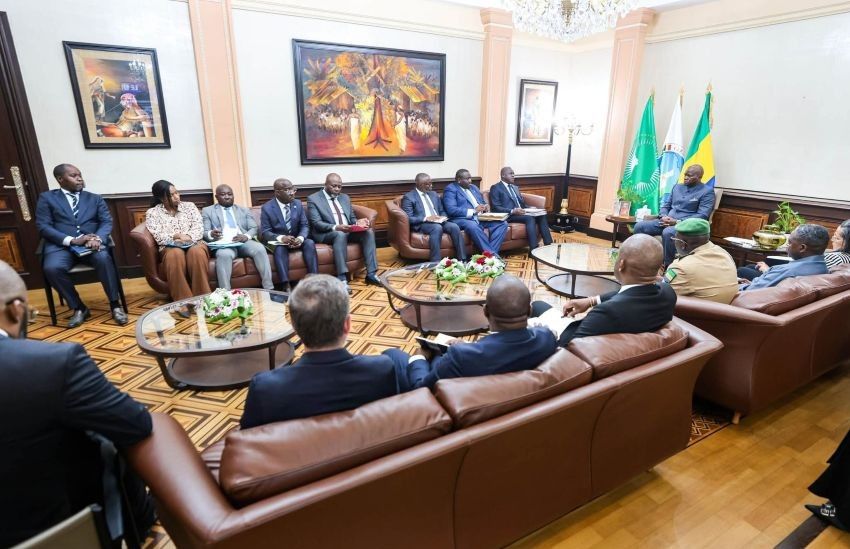
This unprecedented funding increase follows growing public criticism over the human impact of the capital’s modernization drive. In a televised address, the president acknowledged the deep emotional and financial toll of displacement, emphasizing that urban progress must not come at the expense of vulnerable families.
The expanded relief package includes cash compensation packages tailored to household size and needs, alongside guaranteed land allocations complete with formal land titles. Priority resettlement sites at Malibé, 1er Campement, and Ntoum have been identified, with government agencies assigned to oversee individual case management until relocation is complete.
Infrastructure ambitions collide with housing realities
The urban renewal project aims to deliver critical infrastructure, including a new airport bypass road to Okala, a dual-carriageway between Jeanne-Ebori junction and the Expressway, and improved road links between Lac Bleu and Diba-Diba. These projects promise to alleviate traffic congestion, enhance emergency response capabilities, and reduce flood risks in vulnerable neighborhoods.
Yet the operational reality reveals gaps between policy and practice. While financial compensation and land allocations provide temporary relief, long-term well-being depends on the quality of new housing, infrastructure accessibility, and the durability of legal protections for relocated families. Early reports suggest delays in plot delivery and concerns over inadequate infrastructure in resettlement areas.
Can Libreville modernize without deepening inequality?
The government faces a defining test in balancing urban development with social equity. Transparency in fund allocation, consistent communication with affected communities, and rigorous follow-up on resettlement promises are critical to restoring public trust.
The 12 billion FCFA commitment signals political will to reconcile growth with dignity. Success will ultimately be measured not by kilometers of new roads or reduced traffic, but by the number of families stably resettled, the security of their land titles, and the restoration of their livelihoods.
A city’s modernity should be measured not only by its skyline or infrastructure, but by the stability and dignity of its people. The coming months will determine whether Libreville’s transformation charts a sustainable path forward—or becomes a cautionary tale of progress achieved at human cost.