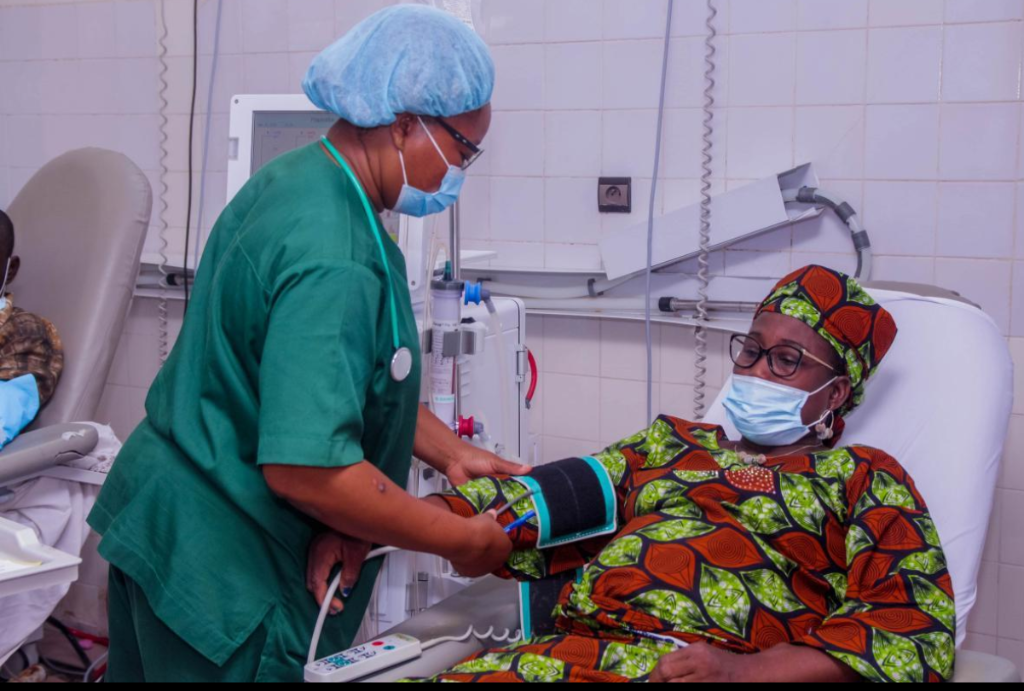
In a decisive move to strengthen the nation’s healthcare system, Benin has launched a groundbreaking initiative requiring 15,398 foreign-trained health professionals to validate their competencies through a national skills assessment. This nation-wide drive, representing nearly 67% of the 22,972 foreign-trained practitioners registered by May 2026, marks a critical turning point in regulating medical practice and safeguarding patient safety across the country.
The government’s announcement follows a cabinet meeting and signals an unprecedented commitment to setting clear benchmarks for healthcare qualifications. By targeting professionals who graduated from unaccredited foreign institutions, authorities aim to close gaps in professional standards while ensuring that every practitioner meets the demanding requirements of Benin’s healthcare system.
The Momentum Behind the Momentous Shift
This initiative is not merely administrative—it’s a public health imperative. With rising concerns over inconsistent care standards among foreign-trained professionals, the move reflects a broader push to harmonize skill levels and restore public confidence in the healthcare system. By requiring validation of both theoretical knowledge and practical skills, Benin is taking bold steps to eliminate risks associated with underqualified practitioners in critical roles.
The timing aligns with a national push to modernize healthcare delivery. As the country expands access to medical services, the need for a unified, transparent system of professional verification has become unavoidable. The government is sending a clear message: quality care begins with qualified professionals.
Four Critical Professions Under the Microscope
The evaluation centers on four essential healthcare roles, each vital to patient care and public health:
- General medical doctors: Responsible for diagnosis, treatment, and patient management across all levels of care.
- Pharmacists: Ensure safe and accurate medication dispensing, directly impacting patient recovery and safety.
- Nurses (general and midwifery): Provide frontline care, from preventive health to emergency response and maternal support.
- Midwives: Play a crucial role in maternal and infant health, performing deliveries and providing postnatal care.
Collectively, these professionals form the backbone of Benin’s healthcare system. Their ability to perform essential duties—diagnosing illnesses, administering treatments, and guiding patients through recovery—depends on rigorous, up-to-date training. The assessment ensures they meet the nation’s high standards of clinical competence and ethical practice.
A Structured Path to Professional Alignment
To prepare professionals for this pivotal evaluation, authorities have developed a structured training and assessment framework. This includes:
- A competency-based curriculum designed to align with national healthcare standards.
- Clear eligibility criteria and exam guidelines, published in advance to ensure transparency.
- A phased timeline for testing, allowing professionals adequate time to prepare and address any knowledge gaps.
- Support systems, including review sessions and study materials, to empower candidates.
The process culminates in the awarding of an Equivalence Competency Certificate—a key step toward professional recognition, though not the final clearance to practice. Professionals must still complete administrative formalities to obtain full licensure, ensuring a seamless transition into Benin’s healthcare workforce.
Protecting Patients, Building Trust in the System
At the heart of this initiative is the safety and well-being of the Beninese population. Patients deserve care that is not only accessible but also dependable. When a mother gives birth, a child receives treatment, or a senior undergoes surgery, they rely on health professionals who uphold the highest standards of expertise and care.
By subjecting practitioners to rigorous validation, the government aims to:
- Reduce medical errors: Misdiagnoses, incorrect prescriptions, or procedural mistakes can have life-threatening consequences.
- Enhance service quality: Only competent professionals contribute to positive health outcomes and patient satisfaction.
- Strengthen public trust: A verified workforce builds confidence in the healthcare system’s reliability and safety.
This is more than a compliance exercise—it’s a commitment to excellence in healthcare delivery across the nation.
A New Chapter for Foreign-Trained Health Workers
For the 15,398 professionals involved, this assessment represents both a challenge and an opportunity. Many trained abroad under systems different from Benin’s and now face the chance to integrate fully into the local healthcare system. Success in this evaluation opens doors to legitimate practice, professional growth, and service to the community.
It also offers a pathway to professional upgrading. Those who identify knowledge gaps can access targeted training to meet national standards, strengthening their careers and enhancing their contributions to public health.
While the process is rigorous, it is designed to be fair and transparent, ensuring every candidate receives equitable treatment and clear information about expectations and outcomes.
Sustaining Momentum: The Road Ahead
The success of this initiative hinges on more than just the assessment itself. It requires a long-term commitment to ongoing monitoring, continuous professional development, and adherence to evolving healthcare standards. Benin is not only evaluating current practitioners; it is laying the foundation for a sustainable, high-quality healthcare workforce.
As the first wave of evaluations begins, the government is establishing systems to track outcomes, support professionals, and refine the process based on real-world feedback. This adaptive approach ensures that the initiative remains effective, relevant, and responsive to the needs of both practitioners and patients.
Ultimately, this is a turning point—not just for the 15,398 professionals, but for every patient who enters a clinic or hospital in Benin. It signals a new era where competence is not assumed, but proven; where care is not just available, but assured. In taking this bold step, Benin is not only regulating its healthcare workforce—it is elevating the standard of care for all.