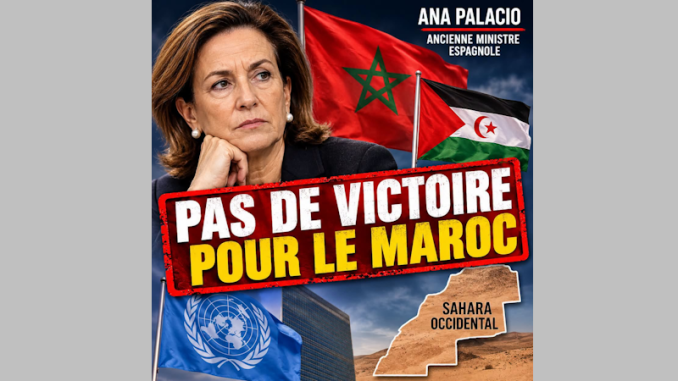
The diplomatic earthquake at the United Nations
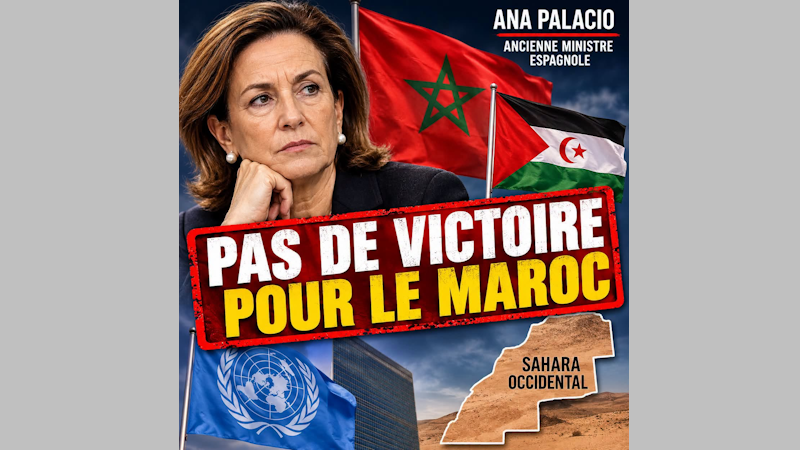
A seismic shift has just rattled the United Nations Security Council, exposing deep divisions and power struggles within its highest decision-making body. The expiration of the UN Mission for the Referendum in Western Sahara (MINURSO) marks a watershed moment in international diplomacy, yet fails to resolve the territory’s unresolved legal status.
The unexpected collapse of MINURSO’s mandate
After 35 years of UN peacekeeping in Western Sahara—since its establishment in 1991—the MINURSO mission is now entering its dismantling phase. The dramatic turn of events stems from a direct veto clash between permanent Security Council members on October 30. Russia blocked an American-backed resolution that had secured 11 favorable votes, while a Russian counter-proposal for a technical one-year extension also failed due to a U.S. veto.
The original American draft had sought to make Morocco’s 2007 autonomy proposal the sole negotiation framework by reformulating MINURSO’s mandate and removing the ‘R’ for referendum from its acronym. Though the text was later watered down under pressure, Washington remained determined to push through its core demands, leading to the mission’s collapse.
Rabat’s triumphant declaration and strategic calculations
Morocco’s leadership moved quickly to celebrate what it framed as a diplomatic victory. The Royal Palace called for the immediate withdrawal of all UN personnel and symbols from the territory, signaling its intention to move the dispute away from the Security Council’s agenda.
The strategic motivations behind Rabat’s stance include several key factors:
- Exhaustion of UN processes: Morocco believes it has maximized its diplomatic gains through UN negotiations, where its autonomy plan gained significant support. With no clear path to UN recognition of sovereignty, Rabat is shifting focus toward bilateral recognitions and faits accomplis.
- American backing: The firm support from Washington provides crucial leverage, allowing Morocco to solidify its position without the oversight of periodic MINURSO reviews.
- Internal political considerations: The Western Sahara cause remains a cornerstone of royal legitimacy, especially during a delicate transition period as Crown Prince Mohammed VI prepares to assume greater responsibilities.
Why the legal vacuum persists
Despite Morocco’s celebratory tone, the fundamental legal reality remains unchanged. Western Sahara stays officially listed as a non-self-governing territory by the UN General Assembly. The MINURSO withdrawal doesn’t transfer sovereignty nor extinguish the UN’s institutional authority over the territory.
| Factor | Impact of MINURSO’s withdrawal |
| Legal status | Unchanged (remains non-self-governing territory) |
| Sovereignty | Not transferred (international law unchanged) |
| Conflict resolution | Unresolved (loses critical monitoring mechanism) |
| International order | Eroded (demonstrates weakening of collective security institutions) |
What happens next in Western Sahara?
The international fallout from this diplomatic rupture is just beginning. While Morocco celebrates its perceived triumph, several critical questions demand urgent answers:
- Will the Polisario Front escalate its armed resistance following the withdrawal of UN observers?
- How will neighboring African nations respond to Morocco’s strengthened position?
- What mechanisms will replace MINURSO’s monitoring functions in preventing further escalation?
- Could this set a dangerous precedent for other unresolved territorial disputes?
The expiration of MINURSO’s mandate has created more questions than resolutions. While Morocco pursues its strategy of diplomatic isolation for the Polisario Front, the fundamental legal uncertainty persists—leaving Western Sahara in a precarious state where the absence of international oversight may actually increase regional instability rather than resolve the decades-old conflict.