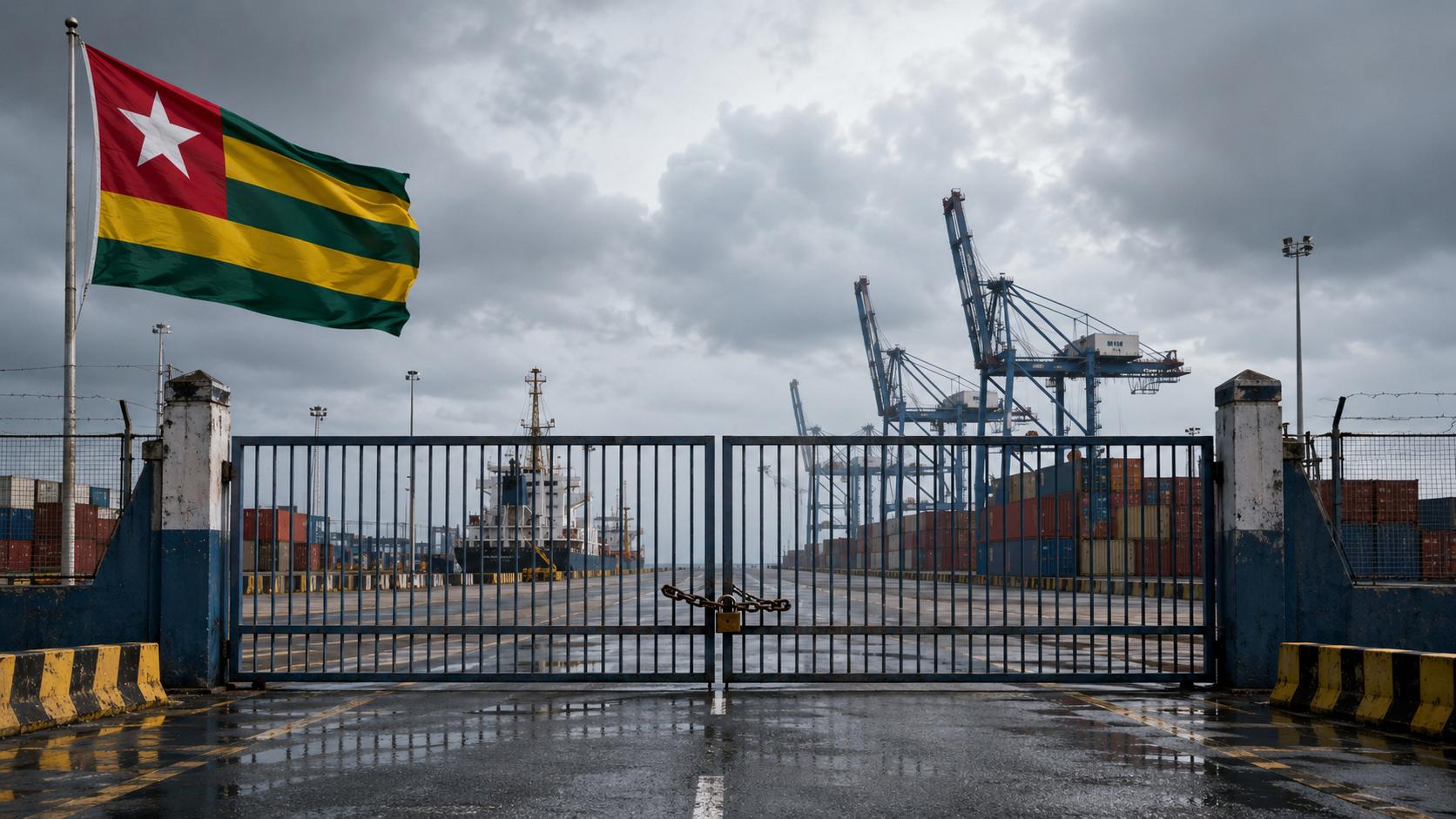
The Port Autonome de Lomé (PAL), Togo’s main economic lifeline, has been operating at reduced capacity since 5:00 AM on Tuesday, August 11, 2026. The Syndicat des agents du Port Autonome de Lomé (SYAPAL) initiated a 72-hour work stoppage, set to conclude at 11:59 PM on Thursday, August 13. This industrial action has brought long-standing social tensions to a head, casting a shadow over the port’s future operations.
Why the strike erupted: unresolved disputes fuel workers’ discontent
At the heart of the dispute are persistent demands for better working conditions and career stability. SYAPAL members are pushing for salary adjustments, career regularization, and strict enforcement of existing labor regulations for port staff. The situation escalated after the union accused port authorities of failing to engage in genuine dialogue. Despite the appointment of Kokou Edem Tengue as director general in July 2026, negotiations have stalled, leaving tensions unresolved.
Escalation risks: what happens if talks fail?
The 72-hour strike is just the beginning. If concessions are not made, SYAPAL has warned of further disruptions, including an indefinite shutdown. Such a scenario would have severe consequences:
- Total operational paralysis: Cargo handling, stevedoring, and freight clearance would come to a standstill, disrupting supply chains across the region.
- Logistical gridlock: As West Africa’s leading transshipment hub, prolonged inactivity at the PAL would lead to container terminal congestion, rerouting of vessels to neighboring ports, and inflated shipping costs for global carriers.
- Regional supply chain disruptions: Landlocked nations like Burkina Faso, Niger, and Mali rely heavily on Lomé’s port for essential goods. A prolonged shutdown could trigger shortages and drive up inflation in these countries.
With the clock ticking, both the government and PAL leadership face mounting pressure to reach a resolution before the strike’s expiration. The stakes are high—for Togo’s economy and for the broader West African region.