Madagascar stands at a pivotal moment in its foreign policy, as Washington issues a stark warning against deepening military cooperation with Moscow. The move reflects Washington’s growing concerns over the transfer of Russia’s Sahel security model to the Indian Ocean region, where the island nation occupies a critical geostrategic position.
The turning point in Madagascar’s defense alignment
In a decisive shift since Colonel Michaël Randrianirina’s rise to power in 2025, Madagascar has significantly expanded its military ties with Russia. Moscow has supplied advanced equipment, including drones and firearms, while Russian military instructors have trained Malagasy forces. This momentum culminated in President Randrianirina’s official visit to Moscow in February 2026, followed by multiple defense and economic agreements signed during the Russia-Africa Summit in October of the same year.
Yet this burgeoning partnership has not gone unnoticed in Western capitals. During a high-level briefing on November 10, 2026, Lieutenant General John Brennan of the United States Africa Command expressed strong reservations about the potential replication of the Russian security model beyond the Sahel.
Why Washington fears the Sahel blueprint
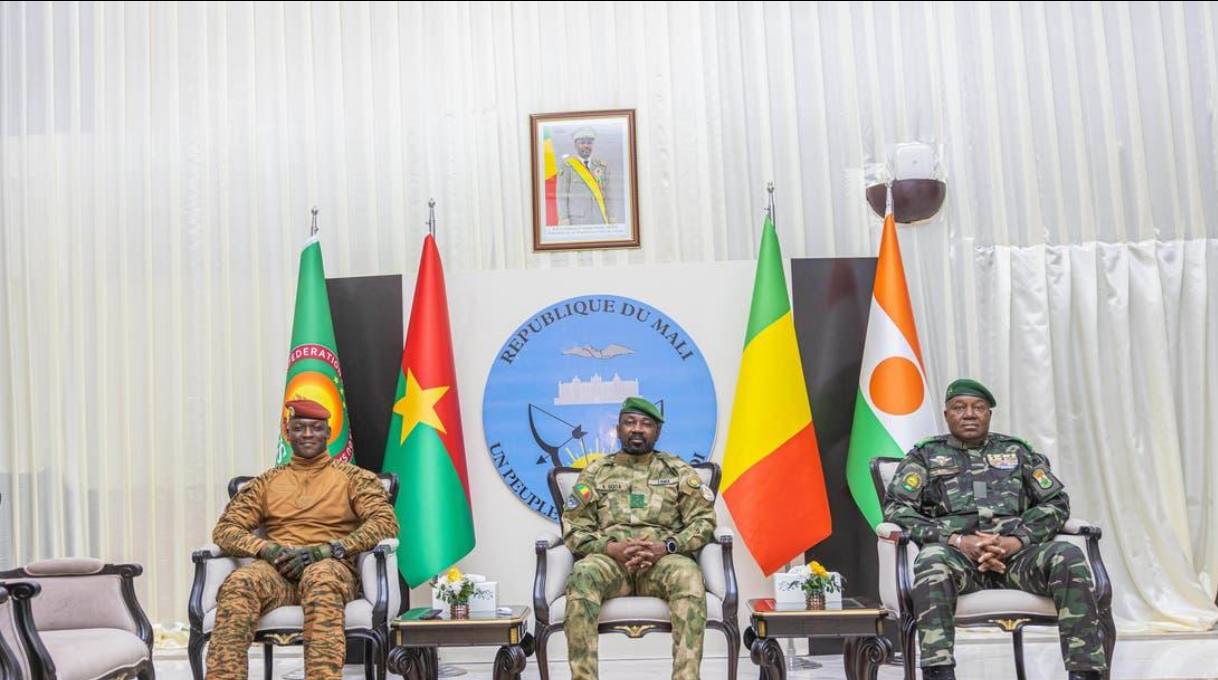
The United States has repeatedly highlighted the mixed outcomes of Russia’s security assistance in Mali, Burkina Faso, and Niger. Despite increased Russian military support—coordinated through structures such as the Africa Corps, which replaced Wagner’s operations—the persistence of jihadist violence has raised questions about the effectiveness of this approach. General Brennan described the model as “largely ineffective,” warning that its extension to the Indian Ocean could destabilize a region central to global trade and maritime security.
Madagascar’s strategic crossroads: maritime stakes in the Indian Ocean
The Mozambique Channel, a vital shipping lane connecting Asia to Europe via the Indian and Atlantic Oceans, lies at the heart of global commerce. Its proximity to Madagascar makes the island a key player in the Indo-Pacific security landscape. Washington’s concerns extend beyond defense to include the threat posed by Islamic State-affiliated groups in northern Mozambique, which are reportedly enhancing their maritime capabilities.
The U.S. has signaled its intent to strengthen cooperation with Madagascar and Mozambique, focusing on maritime surveillance, intelligence sharing, and military training. A high-level American delegation visited Antananarivo in early November 2026 to underscore this commitment and explore avenues for collaboration.
Navigating sovereignty amid great power competition
Despite the strong warnings, Washington stopped short of imposing sanctions or coercive measures on Madagascar. Instead, the message was clear: Antananarivo must weigh the long-term strategic risks of aligning too closely with Russia’s model.
The challenge for Madagascar lies in balancing its historical partnership with Moscow against its desire to maintain strong ties with Western powers. The nation’s autonomy in defense policy remains a cornerstone of national sovereignty—a principle both Washington and Moscow have sought to influence through differing strategic narratives.
As the Indian Ocean emerges as a new front in great power rivalry, Madagascar’s choices in defense cooperation will have ripple effects far beyond its shores.
Can Antananarivo carve a third path?
The coming months will reveal whether Madagascar can develop a unique security strategy—one that leverages partnerships with both Russia and the West without compromising its national interests. With jihadist threats looming, the island faces a dual imperative: securing its borders and protecting its maritime lanes.
One thing is certain: the island nation is no longer a passive observer in the shifting geopolitics of the Indian Ocean. Its decisions will shape not only its own future, but the security architecture of a region that connects three continents.