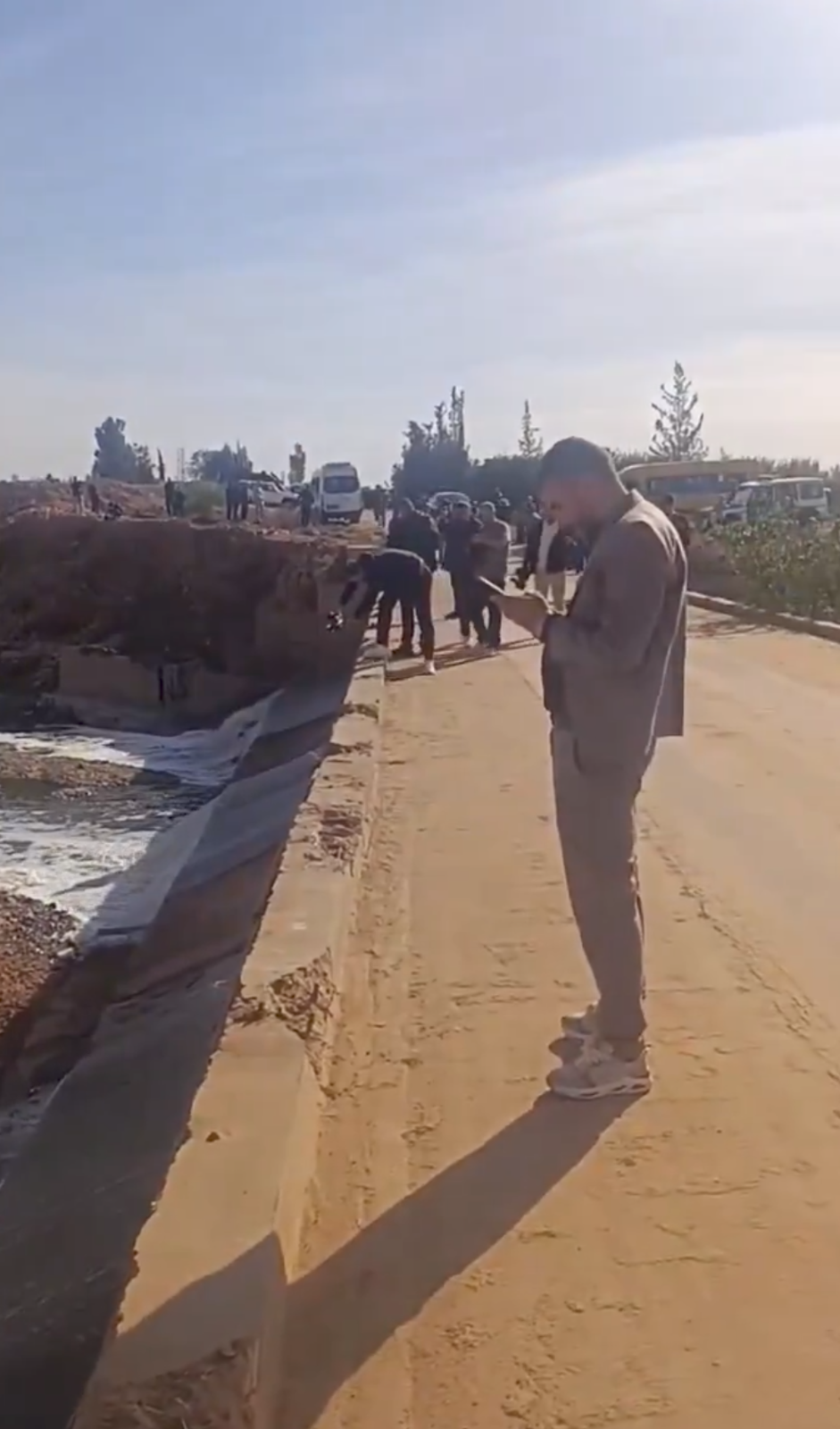
The strained relations between Algeria and Morocco have escalated once again, this time over a critical environmental concern. Algerian authorities have raised alarms regarding the severe pollution of the oued Mouilah in Tlemcen, attributing the contamination to industrial and domestic discharges originating from Moroccan territory. Beyond the immediate environmental and health hazards, the case threatens to escalate into a full-blown diplomatic and legal confrontation, with Algeria considering international intervention.
Water contamination sparks a turning point in Algerian-Moroccan relations
For years, the diplomatic landscape between Algeria and Morocco has been fraught with tensions over issues such as the Western Sahara and regional political disputes. Now, a new flashpoint has emerged: water. In the Tlemcen region of western Algeria, the degradation of the oued Mouilah’s water quality has triggered growing alarm, with authorities pointing to pollutants entering the river via Moroccan territory before flowing into the oued Isly and eventually into Algeria’s hydrological network.
The oued Mouilah plays a crucial role in supplying the Hammam Bougara dam, a vital water source for several municipalities in the region. The potential contamination of this water body poses serious risks, not only to local ecosystems but also to public health and regional water security.
Algeria’s urgent response to the pollution crisis
Reports from Algerian officials highlight dangerous levels of chemical and microbiological pollutants in the water, including elevated concentrations of nitrites, traces of heavy metals, and pharmaceutical residues. These findings raise serious concerns about the long-term impact on aquatic life, drinking water safety, and the health of communities living along the riverbanks.
The Hammam Bougara dam is particularly vulnerable. Persistent contamination could disrupt water treatment processes, inflate production costs, and exacerbate existing water scarcity issues in the region. In response, Algerian authorities have launched enhanced monitoring and treatment initiatives to mitigate risks to the local population.
Transboundary pollution dispute: the Moroccan connection
The crux of the issue lies in the suspected origin of the pollution. Algerian officials allege that industrial and domestic discharges from Moroccan territory are contaminating the oued Mouilah, pointing to the oued Isly as a conduit for the pollutants. However, conclusively linking the contamination to a specific source requires rigorous scientific investigation, including extensive sampling and traceability of pollutants across the river basin.
Accusations alone do not suffice; verifiable, independent data is essential to either confirm or refute Algeria’s claims. Until such evidence is presented, the Moroccan connection remains an official accusation that requires thorough validation.
International legal action: a viable path forward?
Given the severity of the situation, calls for international legal intervention have intensified. Lawmakers in the Tlemcen region have urged that the matter be brought before competent international bodies. Algerian authorities have also hinted at exploring legal avenues under international law, potentially invoking principles such as the prevention of transboundary environmental harm and cooperation in shared water resource management.
International law requires vigilance and cooperation when an action in one country risks causing environmental damage in another. However, it remains unclear whether these discussions will translate into an actual legal proceeding or remain at the political and parliamentary level for now.
Diplomatic tensions mount as water becomes a strategic flashpoint
The dispute over the oued Mouilah occurs against a backdrop of deeply strained Algerian-Moroccan relations. Since the breakdown of diplomatic ties in August 2021, the two nations have grappled with profound political and regional disagreements. The introduction of a transboundary environmental issue—especially one involving water, a resource already under strain due to climate change and population growth—risks further complicating an already volatile relationship.
In this context, the presumed pollution of a shared watercourse transcends technical concerns, evolving into a matter of sovereignty, state responsibility, and international relations. While there are no indications of a military escalation at this stage, the environmental crisis holds the potential to spill over into broader diplomatic conflicts.
Addressing the crisis: science, cooperation, and shared responsibility
Regardless of geopolitical tensions, the immediate priority must be safeguarding public health and natural resources. A coordinated effort to determine the exact origin of the pollution, assess health risks, and establish long-term monitoring of the watershed is essential. An independent scientific assessment—encompassing hydrology, toxicology, and environmental science—could provide the objective foundation needed to clarify responsibilities and inform any future legal action.
Water knows no political borders. When a river traverses multiple territories, its preservation demands environmental accountability, scientific transparency, and cross-border cooperation. The case of the oued Mouilah may well set a precedent for how Algeria and Morocco address shared water challenges in an era of increasing environmental and diplomatic strain.
Whether this crisis is treated as an environmental emergency requiring technical solutions or escalates into another diplomatic standoff remains an open question—one that could shape the trajectory of Algerian-Moroccan relations for years to come.