From exile to accountability: A fugitive’s return shakes Rwanda’s judicial landscape
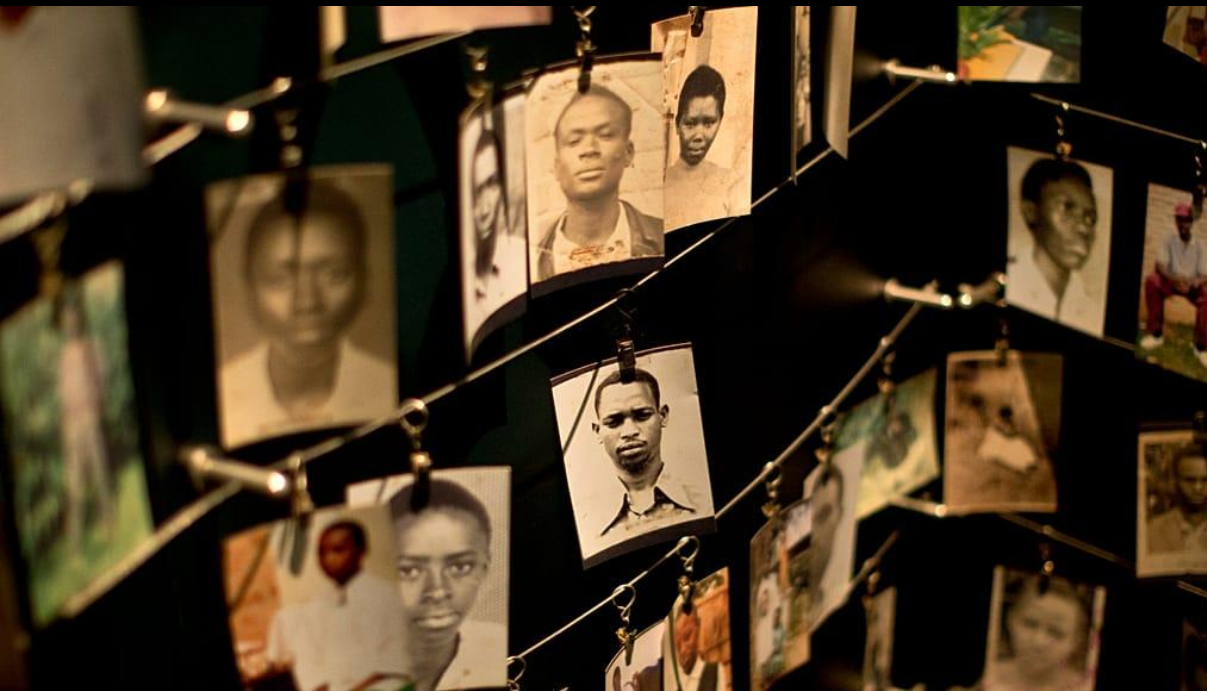
For over three decades, Rwanda has awaited this moment. Jean Léonard Teganya, a former medical student accused of playing a role in the 1994 Tutsi genocide, has been forcibly returned from the United States to face justice in Kigali. His arrival on November 9, 2026, marks a watershed in the nation’s relentless pursuit of closure for one of history’s darkest chapters.
Teganya, now 55, was extradited by U.S. authorities after serving time for immigration fraud—a conviction tied to misrepresentations in his asylum claims. Yet his true reckoning begins now, as Rwandan prosecutors prepare to scrutinize allegations that he orchestrated or participated in murderous campaigns against Tutsi civilians in the Butare region during the genocide.
Accused role in Butare’s darkest hours
When the genocide erupted in April 1994, Teganya was enrolled at the National University of Rwanda, pursuing a medical degree while interning at the Butare University Teaching Hospital (now CHUB). Prosecutors describe him as a figure who exploited his position in the healthcare system to hunt down Tutsi patients and refugees seeking shelter within its walls.
Evidence presented in U.S. legal proceedings linked him to the ruling MRND party and the notorious Interahamwe militia. It also alleged his direct involvement in sexual violence and targeted assassinations, claims that will now be evaluated under Rwandan law. The burden lies with prosecutors to establish his individual culpability beyond reasonable doubt.
A fugitive’s odyssey across continents
Teganya’s escape from Rwanda in mid-1994 was followed by a decade-long odyssey through neighboring countries. After traversing what is now the Democratic Republic of the Congo, Kenya, and India, he settled temporarily in Canada in 1999, where he applied for asylum. His request was denied when authorities uncovered his alleged ties to genocide-era atrocities.
Undeterred, he crossed into the U.S. in 2014, only to be arrested in Maine. His asylum plea collapsed under charges of immigration fraud and perjury, leading to a 2019 conviction in a Boston federal court. The sentence? Nearly eight years in prison. However, this punishment addressed procedural misconduct—not the genocide accusations that now bring him back to Rwandan soil.
A new chapter under Rwandan jurisdiction
With Teganya’s deportation, Rwanda assumes the mantle of justice. He becomes the eighth genocide suspect expelled or extradited from the U.S. to Rwanda since 2007, signaling a sustained international effort to confront impunity. For survivors and victim families, his return is more than symbolic; it signals that time and distance do not absolve complicity in mass atrocities.
The road ahead demands meticulous legal process. Prosecutors will present evidence, witnesses will testify, and Teganya will have the opportunity to respond. The case will unfold under the scrutiny of Rwandan courts, where the goal remains uncompromising: to deliver accountability for crimes that defy the passage of years.
What happens next in Kigali?
The immediate steps are clear: Teganya is in police custody pending formal indictment and trial preparation. Prosecutors have signaled their intent to pursue charges of genocide and crimes against humanity, aligning with Rwanda’s legal framework that prioritizes truth and reconciliation.
As the nation watches, the trial could set precedents for similar cases still outstanding. Will justice be served? Will the victims’ families find closure? For Rwanda, this moment is not just about one man—it is about reaffirming that no fugitive, no matter how long they evade justice, remains beyond the reach of the law.