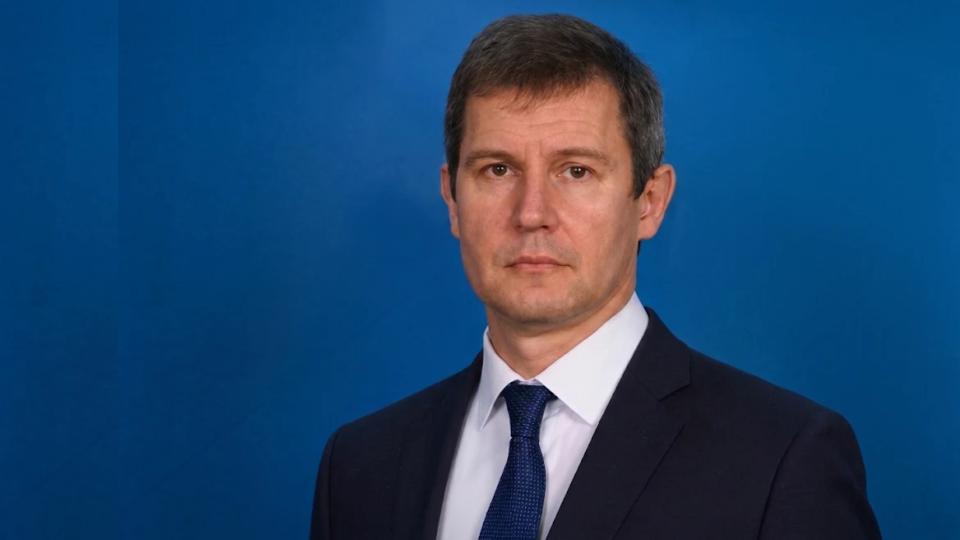
Russia’s appointment of a seasoned diplomat to Gabon has ignited scrutiny over the Kremlin’s expanding influence in Central Africa. A presidential decree, signed on November 10, 2026, confirmed the appointment of Georgy Chepik as Russia’s new ambassador to Gabon, marking a broader diplomatic shift that also includes Alexei Sentebov’s reassignment to Botswana.
The move comes amid growing public debate about Moscow’s growing footprint in Africa, with Gabon positioned as a key player in regional energy and security discussions. Chepik, a 36-year veteran of Russian diplomacy, brings deep expertise in African geopolitics, having served as deputy director of Russia’s Africa Department and as ambassador to the Republic of the Congo from 2019 to 2024. Fluent in French, English, and Arabic, his appointment reflects Russia’s strategy to deepen ties with Francophone Africa.
Public reaction and skepticism
The nomination has sparked mixed reactions across Gabonese political circles and civil society. Critics question whether the Kremlin’s promises of economic cooperation will translate into tangible benefits for Gabon, while supporters argue that strengthened ties with Moscow could diversify the country’s foreign alliances. The debate highlights broader concerns about Africa’s role in the global power struggle between Russia, Western nations, and emerging partners.
What’s next for Gabon-Russia relations?
The incoming ambassador faces the challenge of delivering on Moscow’s commitments made during the last Russia-Africa Summit in Sochi. Key areas of focus include:
- Expanding trade partnerships, particularly in energy and mining;
- Enhancing technical cooperation in education and healthcare;
- Strengthening security collaboration amid regional instability.
With Chepik’s arrival, Gabon stands at a crossroads—whether to embrace closer alignment with Russia or maintain a balanced approach in its international partnerships. The coming months will reveal whether this diplomatic reset translates into real progress or remains a symbolic gesture.