Sahel’s education revolution begins in Niamey: breaking through teacher shortages and school closures
The Alliance of Sahel States (AES) has made its decisive move. This week, Niamey hosts the inaugural Education and Training Ministers’ Conference, signaling a pivotal shift in how the Sahel confronts its deepening learning crisis. With over half a million children out of school and classrooms shuttered by insecurity, the summit arrives at a critical turning point—where political ambition must meet tangible action to rebuild education across Niger, Mali, and Burkina Faso.
The stakes could not be higher. Behind closed doors and in the corridors of the conference center, delegates from three nations face a shared reality: an education system under siege by violence, displacement, and chronic underfunding. It is no longer enough to call for reform. The AES is now laying the groundwork for a sovereign, resilient school system—one that can deliver learning to every child, even in the most remote and embattled regions.
Three nations, one crisis: the depth of the breakdown in Sahel education
Across Niger, Mali, and Burkina Faso, the numbers tell a story of systemic failure. In Niger alone, the 2023–2024 school year began with nearly three million primary students and just under 70,000 teachers—translating to an average of 43 learners per educator. The Ministry of National Education acknowledges that this ratio masks deeper issues: a chronic shortage of qualified instructors, many of whom lack formal pedagogical training. As of 2026, only 21% of public school teachers held permanent positions, with the remainder operating on short-term contracts or informally.
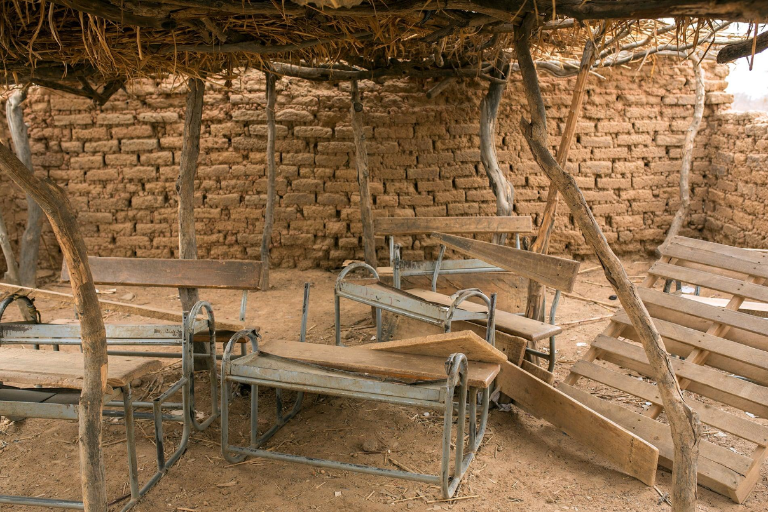
Mali and Burkina Faso face similar strains. Data from June 2026 revealed that over 2,400 Malian schools remained non-operational, displacing more than 733,000 children. In Burkina Faso, school closures had already affected 820,000 learners by early 2024. These figures are more than statistics—they represent entire generations at risk of falling behind.
Security trumps progress: how conflict is erasing learning opportunities
The rise of armed groups has forced the closure of one in five schools in certain regions. In Niger’s Tillabéri area, 1,032 schools shut their doors, leaving 93,676 children—nearly half of them girls—without access to classrooms. Families displaced by violence often abandon not only their homes but also their children’s studies, creating a ripple effect of interrupted learning that can last for years.
The human cost extends beyond attendance. Teachers, too, flee dangerous zones. Remote villages, once hubs of local knowledge, now stand empty of educators. The result is a brain drain that threatens both immediate instruction and long-term capacity building across the AES member states.
From policy to practice: building a resilient, sovereign education system
The Niamey summit is more than a symbolic gathering—it’s a call to action. The AES has outlined a roadmap that goes beyond declarations. Key priorities include standardized curricula, shared teacher training programs, and the mutual recognition of diplomas to ease student mobility. Technical and vocational education are also central, designed to align schooling with job market needs and reduce youth unemployment.
Yet the most urgent challenge is operational. The conference must deliver concrete steps: reopening closed schools, securing educational facilities, and creating fast-track recruitment drives to place qualified teachers in underserved areas. Alternative learning models—such as radio, digital, and community-based programs—are vital for children in conflict zones where traditional schooling is impossible.
Above all, the AES must address the needs of the displaced. Special enrollment drives, mobile classrooms, and psychosocial support for traumatized students are not optional—they are essential to prevent a lost generation.
The road ahead: turning ambition into classroom reality
Ministers in Niamey know the stakes. Nearly five million children across the three countries remain outside the formal education system. Without immediate intervention, the gap will widen, deepening inequality and undermining regional stability.
Sovereign education is no longer a lofty ideal—it is a survival strategy. For the AES, building resilient schools means more than bricks and blackboards. It means empowering a generation to reclaim their future. The decisions made in Niamey this week will determine whether the Sahel’s youth inherit opportunity or enduring crisis.