Mass killings in Ségou: army and dozos implicated in civilian executions
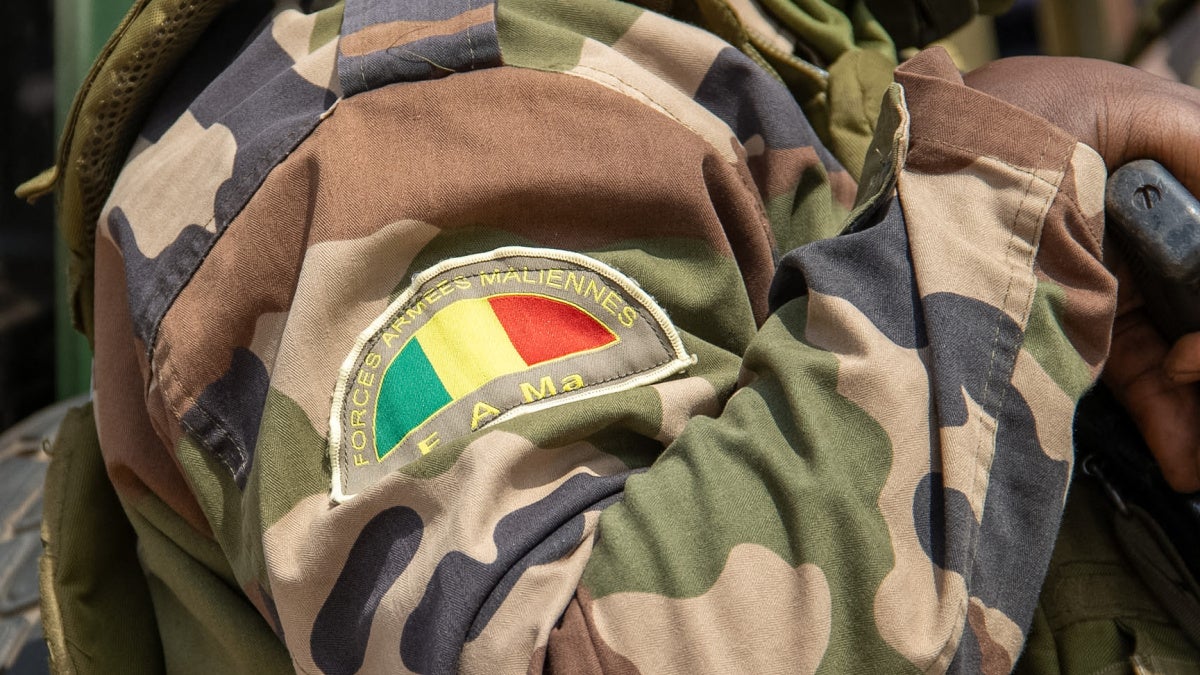
In a grim escalation of violence in central Mali, soldiers from the Malian Armed Forces (FAMA) and allied dozos militias stand accused of massacring at least 31 civilians and torching homes during raids on two villages in the Ségou region on October 2 and 13. These incidents occurred in an area under the sway of the Group for the Support of Islam and Muslims (JNIM), an Al-Qaeda-affiliated jihadist coalition.
October 2: Kamona under fire
A pre-dawn assault on the village of Kamona left at least 21 men dead and 10 homes reduced to ashes. Survivors recounted how soldiers in camouflage fatigues, accompanied by dozos—traditional hunters recognizable by their charms and attire—rounded up unarmed villagers before executing them on the spot. Many residents had fled after receiving warnings from JNIM fighters, who had evacuated the area prior to the military’s arrival, leaving no armed confrontation in their wake.
Witnesses described discovering 17 bullet-riddled bodies beneath a lone tree and four more north of the village. A local herder, who hid with his nine-year-old daughter, recalled the horrors: “The victims were shot at close range. One man’s skull was shattered. Spent cartridges littered the ground.”
The victims, all men aged 20 to 65, were buried in two mass graves. Villagers claimed an additional 15 men may have been killed in nearby bushland, though fear prevented them from verifying the claims.
October 13: Balle’s brutal crackdown
Thirteen days later, a similar operation unfolded in Balle, 55 kilometers away. Soldiers in five pickup trucks and dozos on 30 motorcycles descended on the village, triggering a panicked exodus. Those who remained faced a barrage of violence: 10 civilians, including a 55-year-old woman, were gunned down. Survivors described soldiers kicking and slapping men during door-to-door searches, followed by gunfire heard from hiding spots.
A 33-year-old resident found the bodies of the 10 victims strewn across the village center. “They were piled together, riddled with bullets. Some had broken limbs,” he said. The attackers also looted over 100 cattle, deepening the community’s devastation.
Government denial and local despair
Mali’s military leadership dismissed the allegations, claiming their October 13 operation near Balle had “neutralized around twenty terrorists” and seized weapons. Yet residents countered that Balle has been under JNIM control for years, paying Islamic taxes and resolving disputes through jihadist courts. “The army doesn’t distinguish between us and them,” one villager stated. “They assume we’re all GSIM fighters.”
The massacres followed JNIM’s siege of Bamako, which severed fuel supplies and prompted the junta to shutter schools nationwide. Since 2012, Mali’s conflicts have claimed thousands of civilian lives and displaced over 400,000 people. Both state forces and jihadist groups have been documented committing grave abuses, from extrajudicial killings to arson.
Calls for accountability
International observers stress that all parties must uphold international humanitarian law, which prohibits attacks on civilians and cruel treatment. While Mali withdrew from the International Criminal Court (ICC) in September, it remains bound by the Rome Statute until 2026. The ICC has investigated alleged war crimes in Mali since 2013.
Human rights advocates urge the African Union (AU) to prioritize Mali’s crisis, warning that its inaction—limited to routine statements—undermines regional stability. “The AU’s Peace and Security Council must step up,” one researcher emphasized. “It should hold urgent briefings, bolster diplomacy, and coordinate accountability efforts across borders.”