While Mali has made notable strides in key health metrics recently—particularly regarding maternal mortality, life expectancy, and infant survival rates—the path to high-quality medical access remains fraught with obstacles. Despite the 2018 launch of a strategic universal health insurance initiative, the sector continues to grapple with a shortage of trained professionals and insufficient financial resources, problems that have been intensified by years of political volatility.
The urban-rural divide in Malian healthcare
Geographic disparities remain a significant hurdle for the nation. Currently, more than 50% of the country’s physicians are concentrated in the capital city, Bamako, leaving rural populations significantly underserved. This inequality is reflected in Mali’s performance on the World Health Organization’s Universal Health Coverage Service Index, where the country scored 41 out of 100. This figure trails behind both the continental average of 44 and the global benchmark of 68.
Public demand for universal healthcare in Mali
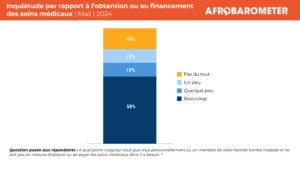
Recent data from the Afrobarometer Round 10 survey highlights that citizens view health as the most critical issue for government intervention. At present, only about one in seven adults has medical insurance. A vast majority of the population expresses concern over their ability to access or afford essential medical services. Consequently, there is overwhelming public support for a government-guaranteed universal healthcare system, even if it necessitates higher taxation.
Citizen experiences in public medical facilities
Malians who visited public hospitals or clinics over the past year reported a range of experiences:
- Most respondents found it relatively easy to obtain the care they sought.
- Significant barriers remain, including the high cost of medications and services.
- Patients frequently encounter long wait times and shortages of essential supplies.
- Nearly 50% of citizens report that a family member missed out on necessary medical attention in the previous year.
Interestingly, despite these systemic difficulties, public sentiment remains relatively positive toward state efforts. Two-thirds of the population approve of the government’s work in enhancing basic medical services and maintain a high level of confidence in the Ministry of Health.