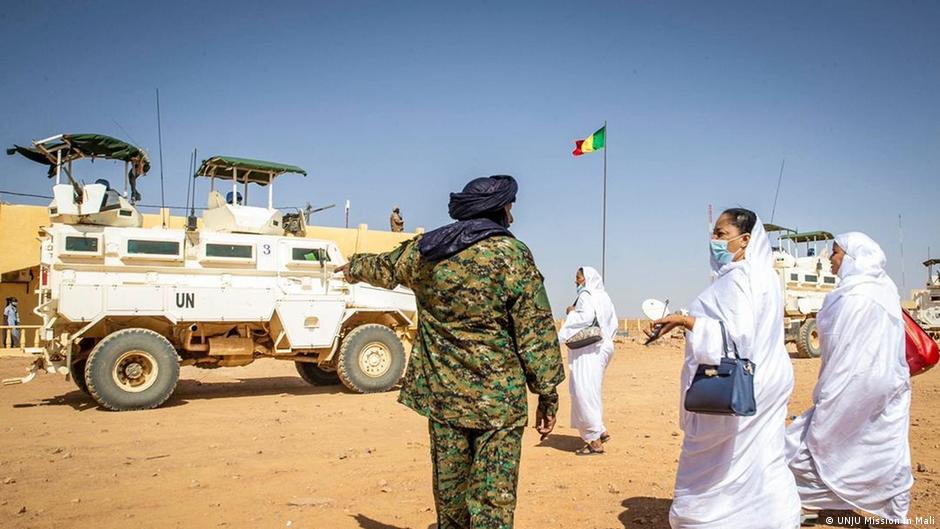
For many years, Mali has been engulfed in a profound security and political crisis, casting a long shadow over its future.
The security challenges are particularly acute, stemming from persistent attacks by various jihadist and separatist armed factions. A recent devastating incident on April 25 targeted the capital, Bamako, resulting in significant casualties, including the tragic loss of Defense Minister Sadio Camara.
Concurrently, a deep political crisis persists, characterized by the suspension of political party activities and the firm consolidation of power by military authorities, who have held sway since the coups d’état in 2020 and 2021.
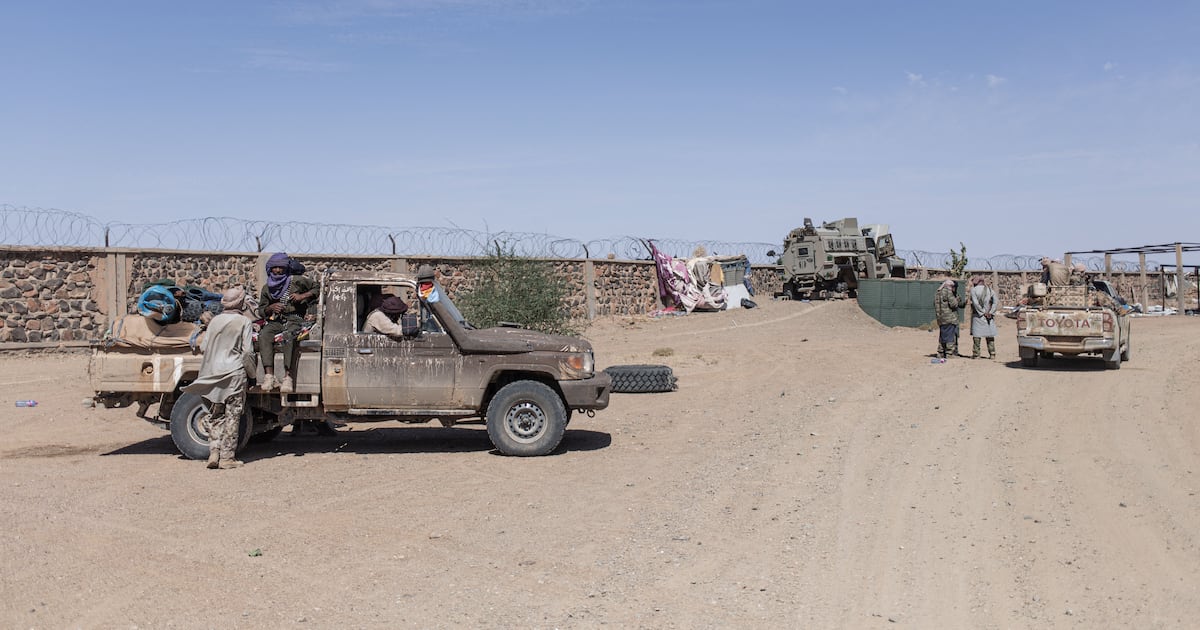
A pivotal moment occurred in November 2023 when the Malian Armed Forces, backed by Russian paramilitary units from the Wagner group, successfully reclaimed Kidal. This northern city had been under rebel control since 2012. This aggressive reassertion of state authority effectively signaled the demise of the 2015 Algiers Accord, an agreement originally forged between the Malian government and northern separatist groups.
The formal abandonment of the Algiers Accord for peace and reconciliation was declared by the Malian government on January 25, 2024, with immediate effect. With this foundational agreement discarded, the conflict intensified dramatically. On April 25, 2026, separatist forces from the Front de libération de l’Azawad (FLA), alongside the Group for the Support of Islam and Muslims (JNIM), unleashed a coordinated series of attacks across multiple cities, including Bamako, and simultaneously recaptured Kidal.
Leading experts have offered their perspectives on these complex developments, including Étienne Fakaba Sissoko of the CFR, Gilles Yabi from WATHI, and sociologist Mohamed Abdellahi Elkhalil. Their insights illuminate the ongoing challenges facing Mali.