
Rabat prioritizes border management as Ceuta faces new migration influx
The Moroccan government has reaffirmed its commitment to securing the Ceuta border, announcing the implementation of all necessary measures to address the escalating migration situation. Authorities emphasize a multi-faceted strategy combining security enforcement and humanitarian support.
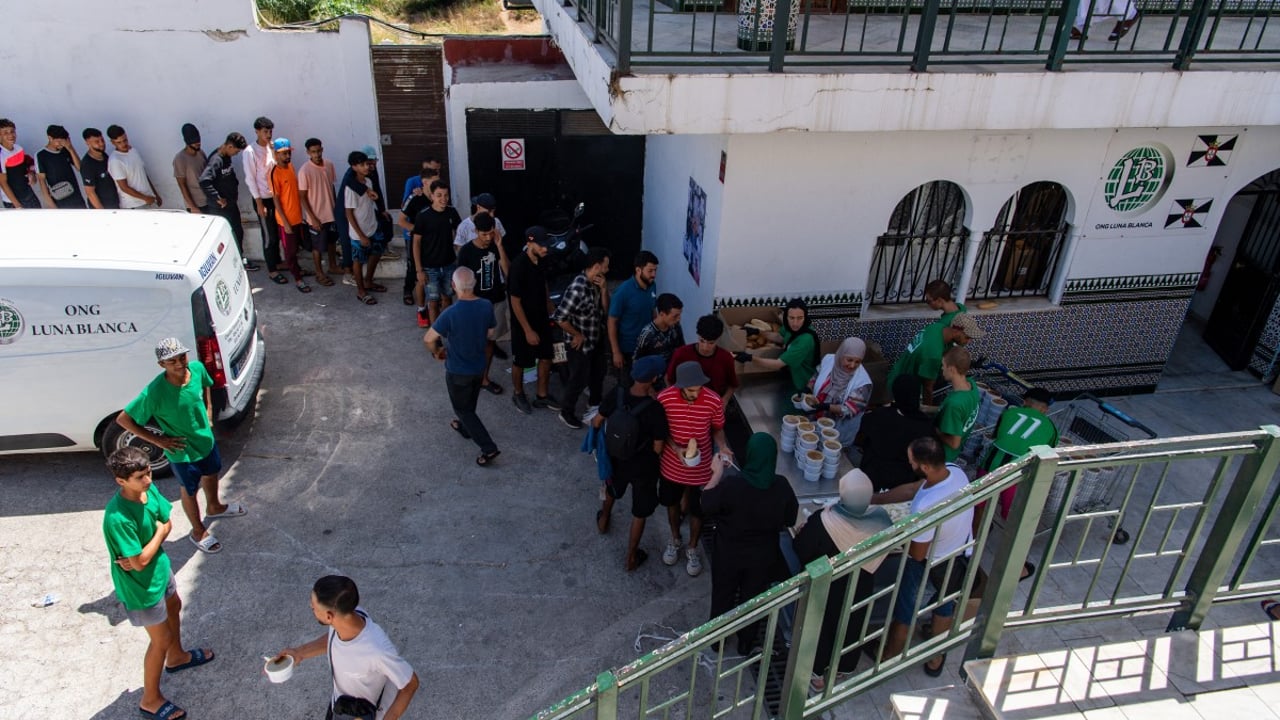
This proactive stance comes as thousands of migrants gather near Spain’s North African enclave, prompting urgent action from Rabat. The surge in arrivals has strained local resources, with aid organizations like Luna Blanca stepping in to provide essential supplies to those stranded.
Strengthening defenses at the Spain-Morocco frontier
Morocco’s response integrates both border reinforcement and diplomatic outreach. Security forces have intensified patrols along the perimeter, while diplomatic channels remain open to coordinate with Spanish counterparts. The goal is twofold: curb irregular crossings and uphold human dignity.
The crisis highlights the broader challenges faced by European and African nations in managing migration flows across the Mediterranean. As Ceuta remains a critical entry point, Morocco’s role as a regional stabilizer has never been more pivotal.
Humanitarian efforts amid escalating tensions
The influx has overwhelmed local infrastructure, with aid groups distributing food, water, and medical care. Volunteers report that migrants, many of whom fled conflict or economic hardship, are arriving in increasingly precarious conditions.
“The situation demands urgent solutions,” said a coordinator with Luna Blanca. “We’re working around the clock to ensure no one is left without basic necessities.”
Morocco’s government has pledged to accelerate the processing of asylum claims while accelerating returns for those ineligible to stay. This balanced approach seeks to ease pressure on Ceuta while addressing root causes of migration.
What’s next for Ceuta’s migration crisis?
The coming days will be critical as Morocco ramps up its operations. With tensions rising and humanitarian needs growing, the international community watches closely to see whether Rabat’s strategy can restore stability to one of Europe’s most sensitive borders.
The stakes are high—not just for Ceuta, but for the future of migration governance across the continent.