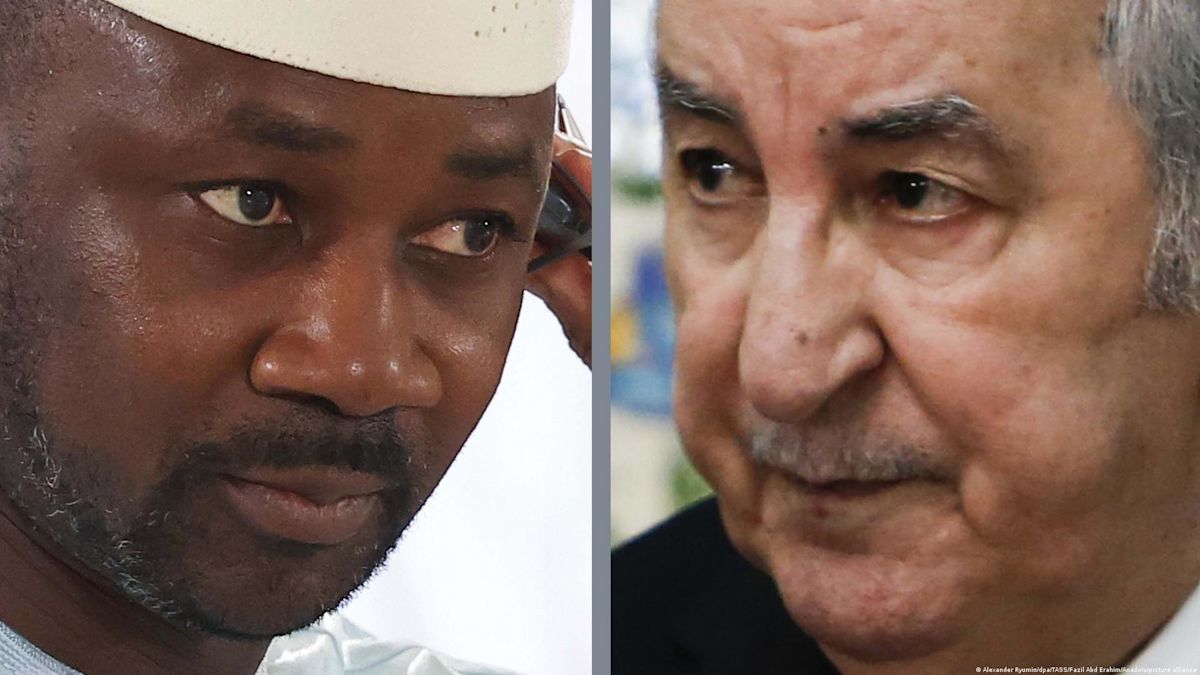
diplomatic thaw between Mali and Algeria after tense border dispute
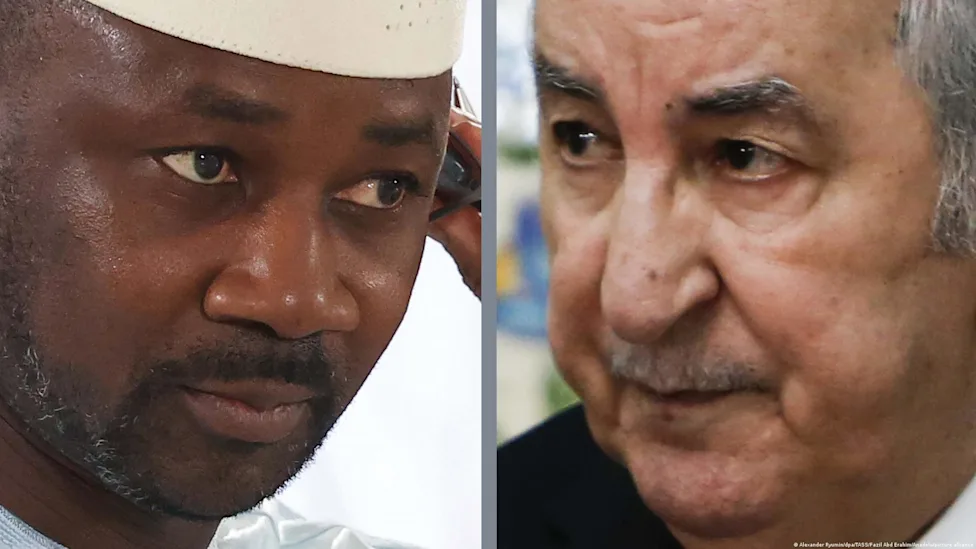
Relations between Mali and Algeria hit a low in April 2025 when an Algerian drone was shot down over Malian airspace. Algiers accused Bamako of violating its airspace, a claim Mali firmly denied. In response, Mali closed its airspace to its neighbor, cutting off a shared border stretching over 1,300 kilometers.
By July 10, both nations had taken decisive steps to mend fences. They announced plans to reinstate ambassadors and reopen their respective airspaces, signaling a clear intent to restore diplomatic ties.
Algeria’s Prime Minister Sifi Ghrieb extended an invitation to his Malian counterpart during a recent phone discussion, underscoring the urgency of reconciliation.
Analyzing the diplomatic breakthrough
Sociologist Mohamed Amara weighed in on the significance of this thaw. Mohamed Amara emphasized that the rapprochement could play a pivotal role in stabilizing the Sahel region, which continues to grapple with escalating threats from terrorist groups and rebel factions.
For Algeria, the stakes are high. The country faces mounting security challenges, including the spillover of instability from neighboring states like Mali, Niger, and Burkina Faso. While Algeria itself remains largely unaffected by the violence plaguing the Gulf of Guinea, the potential for regional spillover remains a pressing concern. Regaining diplomatic leverage in the Sahel is critical for Algiers, particularly as it strengthens ties with key allies like Russia.
What does Mali stand to gain?
For Mali, the benefits are twofold. First, securing the border with Algeria is essential to prevent it from becoming a porous gateway for armed groups. Second, resuming dialogue could pave the way for political stability, especially in light of ongoing negotiations with groups like the National Movement for the Liberation of Azawad.
Geopolitical implications for the Sahel
While the broader geopolitical balance in the Sahel has remained unchanged since 2020, this rapprochement signals a shift. Algeria’s re-entry into regional diplomacy and Russia’s continued influence as a major partner for both nations could reshape power dynamics in the Sahel. The question now is whether this thaw will translate into tangible security and political gains for both countries.
Related Posts
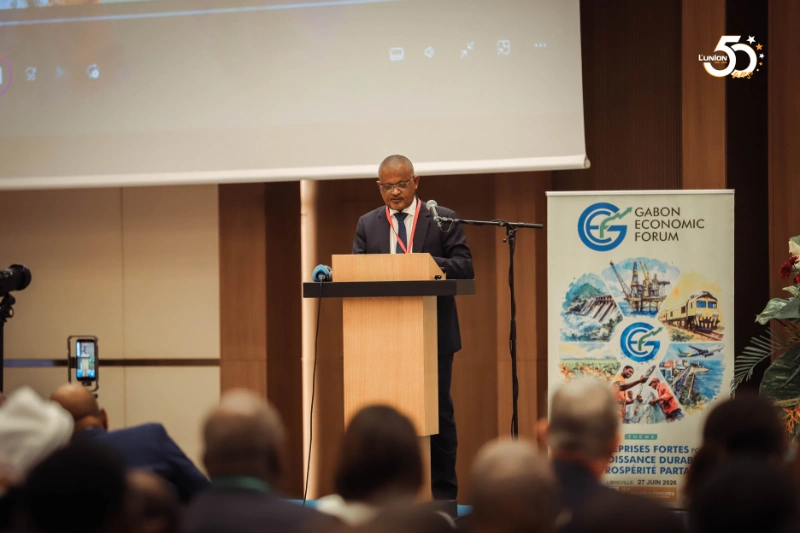
Gabon economic forum spotlights public-private dialogue for growth
“I want tomorrow the FEG to be recognized not only for defending businesses, but above all for making them succeed.” This was the wish expressed […]
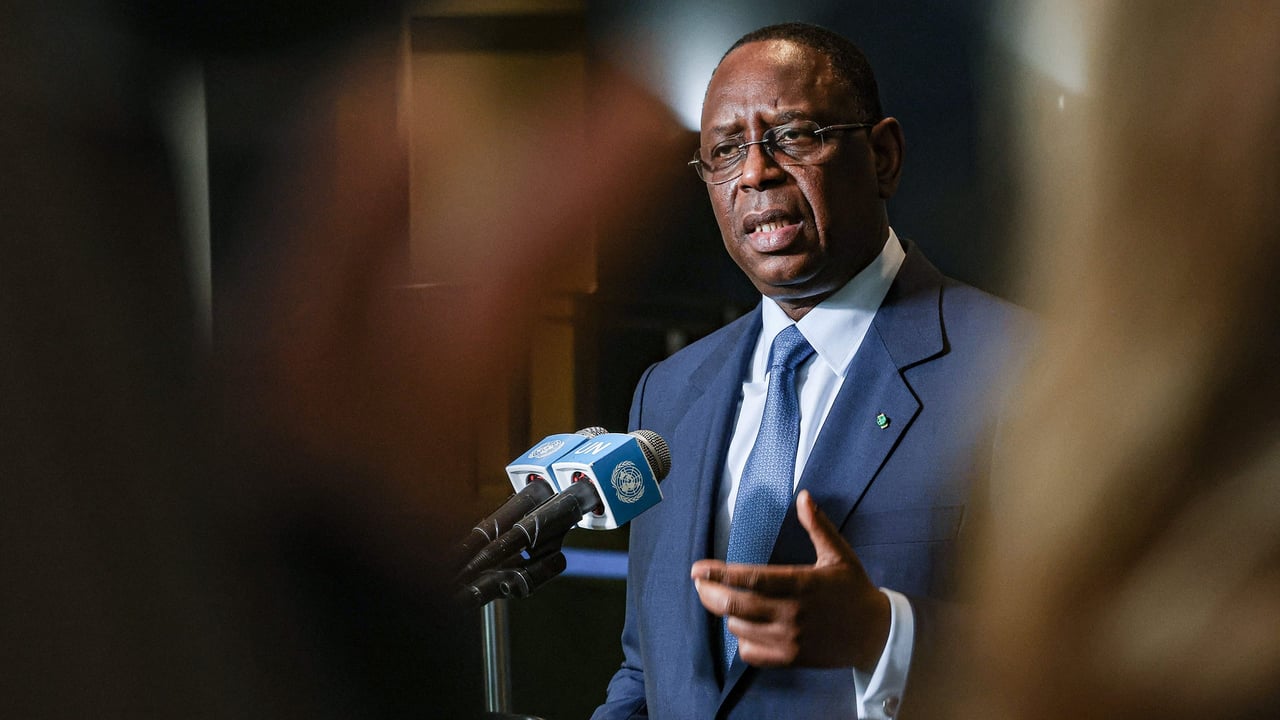
Senegal’s President Sall makes a discreet visit to Dakar ahead of un assembly
and Mawunyo Hermann Boko Mehdi Ba Journalist specializing in Senegalese affairs Mawunyo Hermann Boko Journalist specializing in Senegalese affairs Macky Sall By Ramatou Soumana — […]
Maroc Tchad: celebrating strong bilateral ties in N’Djamena
Tchad Morocco-Chad: strengthening economic and diplomatic bonds in N’Djamena During a grand reception in Chad’s capital, Morocco’s envoy highlighted the robust partnership between the two […]