
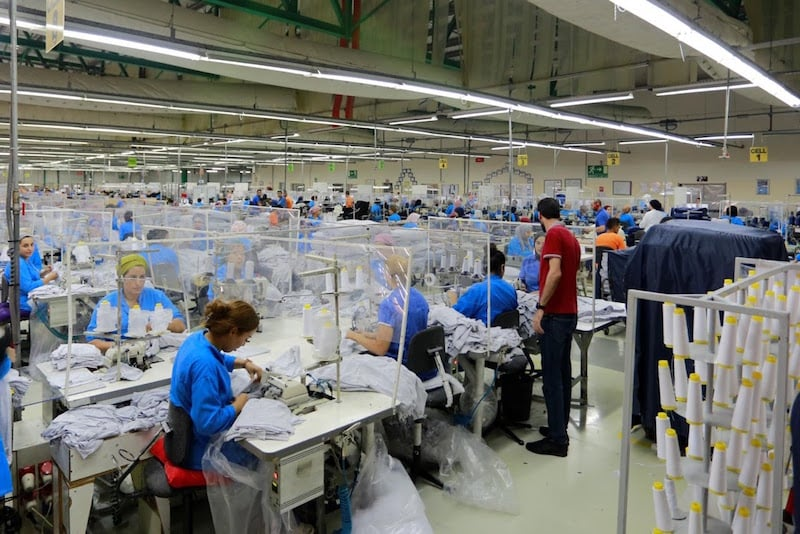
The Moroccan textile industry stands on the brink of a transformative leap, with a circular economy model poised to attract nearly $1.9 billion in private investments and generate over 30,000 jobs. This shift is driven by the recycling of textile waste, a significant reduction in environmental impact, and Europe’s growing demand for transparently sourced garments.
A pilot initiative, supported by key financial institutions, has already surpassed its original targets by more than double. Reports indicate that 2,400 tonnes of textile waste have been earmarked for recycling, with 427 tonnes successfully processed into new materials. This breakthrough underscores the potential of consolidating an industry previously scattered across informal collectors, small workshops, and low-value markets.
Adopting recycled fibers could yield substantial environmental benefits, including a 18% reduction in carbon emissions and a over 60% decrease in water consumption compared to traditional methods. These advantages are particularly crucial for Morocco’s textile sector, which faces mounting pressure from European buyers, local water scarcity, and increasing consumer scrutiny over the actual composition of clothing.
Europe’s traceability demands and Morocco’s strategic edge
The circular economy model also presents an opportunity to formalize a significant portion of the workforce. Currently, more than 80% of Morocco’s textile waste collectors operate informally, but reforms could integrate up to 75% of these workers into the formal sector within five years. This transition would enhance income transparency, provide social protections, and elevate professional standards across the industry.
Morocco’s strategic location, robust manufacturing expertise, and alignment with global sustainability trends position it as a prime candidate for becoming a regional hub for sustainable textiles. However, achieving this vision requires targeted policy adjustments, including the official recognition of textile waste as reusable material, streamlined customs regulations, and the establishment of traceability systems compatible with European Union (EU) standards.
The EU’s upcoming digital product passport, slated for enforcement in 2027, will mandate that suppliers provide verifiable data on environmental impact, traceability, and material composition via QR codes or NFC chips. Given that the EU accounts for 93% of Morocco’s textile exports, compliance with these regulations is no longer optional—it is a gateway to accessing high-value markets.



More Stories
Is Chad truly heading towards political appeasement?
Bradley Barcola will adapt faster than Florian Wirtz at Liverpool, says Jermaine Pennant
Togo eyes nuclear power to secure future energy sovereignty