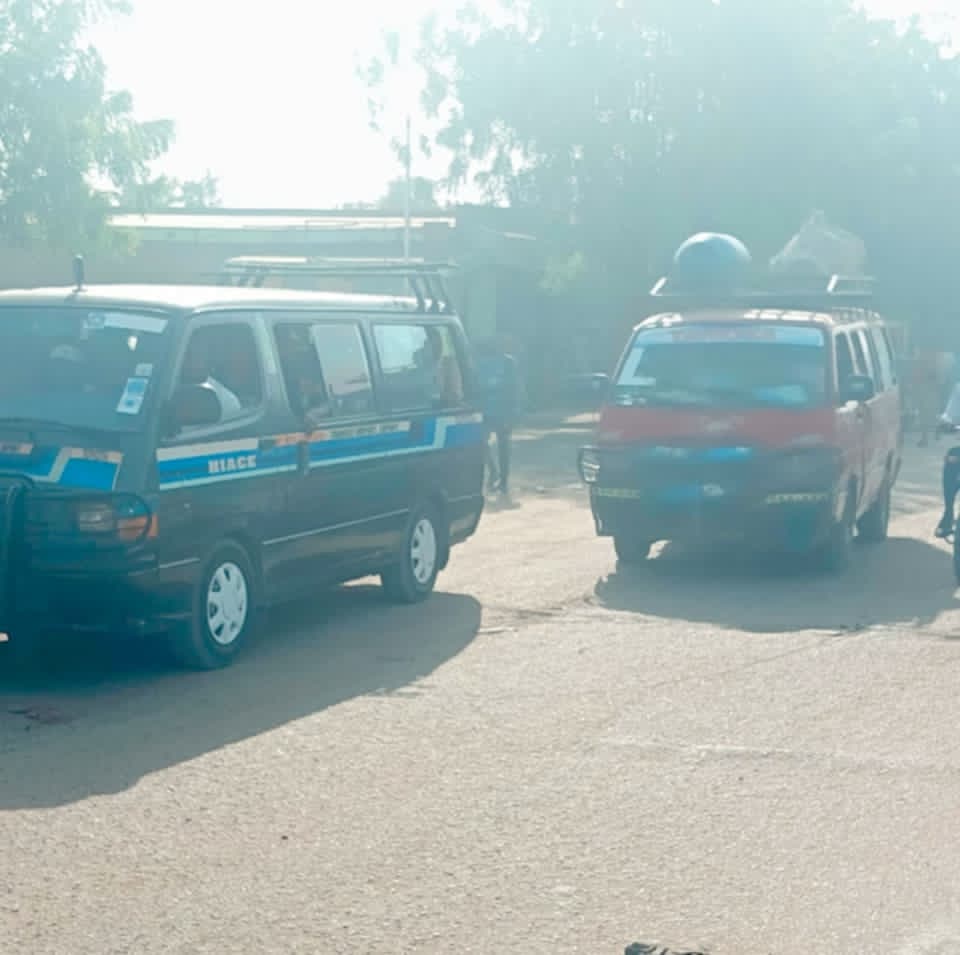
N’Djamena’s minibus stops need urgent organization for safer transport
The lack of designated minibus stops in N’Djamena is undermining road safety and urban mobility. Experts call for structured solutions to streamline transport and reduce hazards.
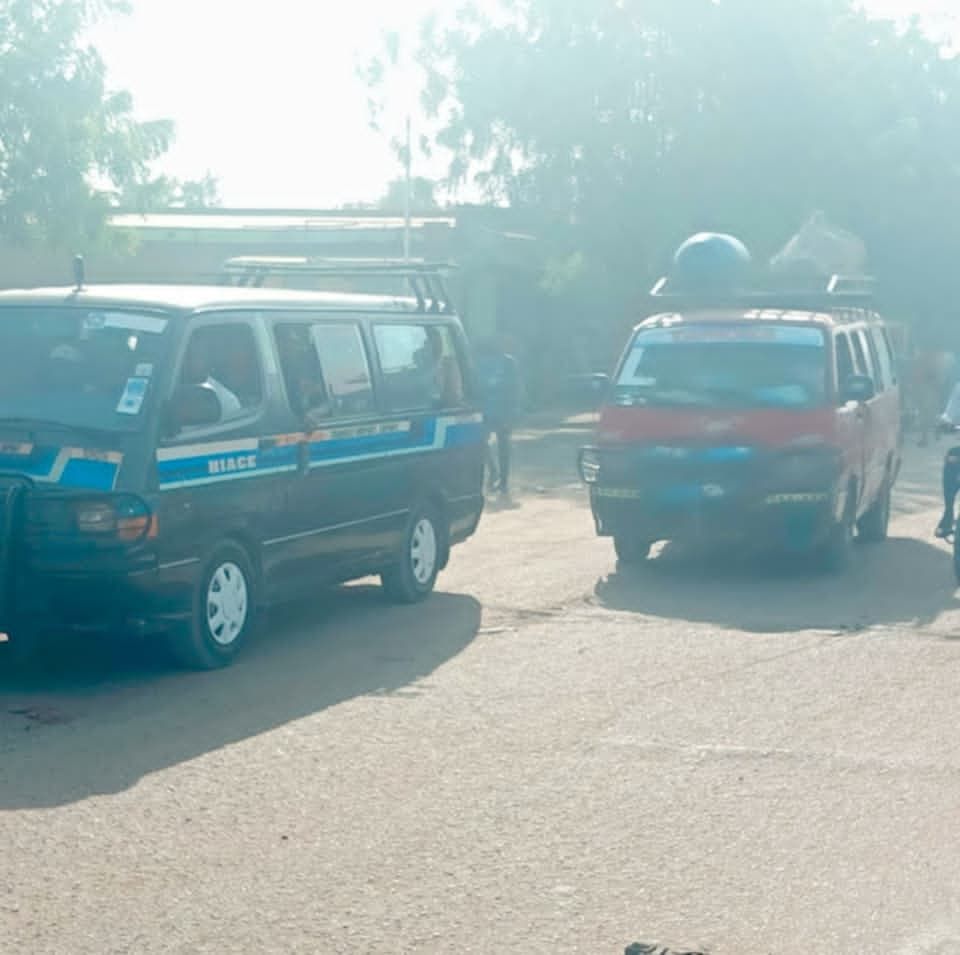
Urgent action is required to bring order to N’Djamena’s chaotic minibus transport system.
As N’Djamena’s population grows and urban sprawl accelerates, the city’s minibus network—the backbone of public transport—faces a critical challenge: the absence of proper stops. With no designated areas for boarding and alighting, passengers and drivers alike face daily risks.
Minibuses halt abruptly on busy roads, forcing passengers to navigate through dense traffic. This unregulated practice not only disrupts traffic flow but also heightens collision risks, especially during peak hours. Pedestrians, too, are left to maneuver through hazardous conditions, exposing themselves to accidents while attempting to board or exit vehicles.
The solution lies in creating structured stop points along major routes. Spaced 150 to 200 meters apart—adjusted for neighborhood density—these zones would standardize passenger exchanges, curb reckless driving, and enhance road safety. Such measures have already proven effective in other African capitals grappling with similar issues.
Collaboration is key. Local authorities, transport officials, and informal transport operators must work together to implement this vision. Simple yet impactful steps—such as installing clear signage, erecting small shelters, and educating drivers—can set the stage for broader change. Yet, beyond infrastructure, a collective commitment to modernizing mobility is essential.
N’Djamena cannot afford to lag behind. As the city evolves, prioritizing orderly public transport is not just beneficial—it’s a necessity. Structuring minibus stops is a step toward a safer, more efficient, and sustainable urban future for all residents.