Signature: U6zljUBbSPCyGwcEDvH8E+bxnGwncphhcoMPzHBkRZTxBNpZzglIBapwhIiiA9ikEoBuAM+HG8Yz9wB1D0CzKaIruNtjYzIrKTzli6e068lxoD50usWXG08Uh7AWUD9cJFXm+TT5DO9HP41P+11liIMCXvo8X/ecnrW8DCeZ4NXxi24VvK1H/OFv0XKTN6FXiLmxM1huXMKh7dRWsAMTkaUMs63dBuUzzryzPKijuu20wTTEDYiR6QC270tVDLJzKs3MhxEDxczFk3mM/KeP8pPeAVvdL374hDuX67vOaMfTsxPYL4HZhIAEP1mF106Q6RupL0hsCVDA+56lFEEUU8xjEGNqev15bKzxSyOV+nR3xfcEyC5yYQiLPFjCBzaPSlTOu7/gI9FZxlhSOwD7t5jmKXIk4I0jBx0BZz+hVrpvbAprjfGSatFp0Cix7NuF5+xics2w+QSY8ze+fkfH6/N2ZyJAhpIz26zF+gUcYv0P/dKFwo03F+BG0gKJoyghoXrFr0uwDrGlOPBPan+I3s9kP2FeXvo8/prlPvlPn8UGIrsn3tYlluHbpnpAy51eIQELg6RqYEB6fLTPCTOhEsdZE9pjZalwXrBq7CWgA0YtESfG2qPfAPJ2rygcLLUksVbzUP5VZqNEnHUVR8jrq8tCA12yQ5ssfDsKS7k1Uc4p/PM3uKH6GnXDI8gJH2a9Rw4qo5RnQIgujs/QBOb8avaFRZFoGjQYzuElbcdvz4POwpjFzPqYNJ0bHx5n/fKNnsmxnMn8qGqq4Uu6+Oq8Xw2gDwsWd/aSlAg7wwA7L/ny5b+0K5GSp3t2L21fYOtriGJcJmW46LMlenzfUx0dQ7UrAz9ky3bZmcSsYtoZP+bjRdOgAciKHS0RLOsWIWR3QwiUADZ/pPU4KFawQ6zsQOJFXvV69mScQ+Rd2hvXkE+1Qa1ZBQgSbG5TM+BQMKyWp+RtihPJSwTr/GP08wgkphxUlOoKcnhvk959vbnKv7c=
Two years after seizing power in a coup d’état against President Mohamed Bazoum—allegedly to restore national security—the Nigerien military regime led by General Abdourahamane Tiani faces a harsh reality: its foundational narrative is crumbling under the weight of an unyielding threat. The July 26, 2023 takeover was framed as a decisive break from civilian ineptitude in combating armed groups, yet recent developments prove that terrorism transcends regime changes and diplomatic shifts.
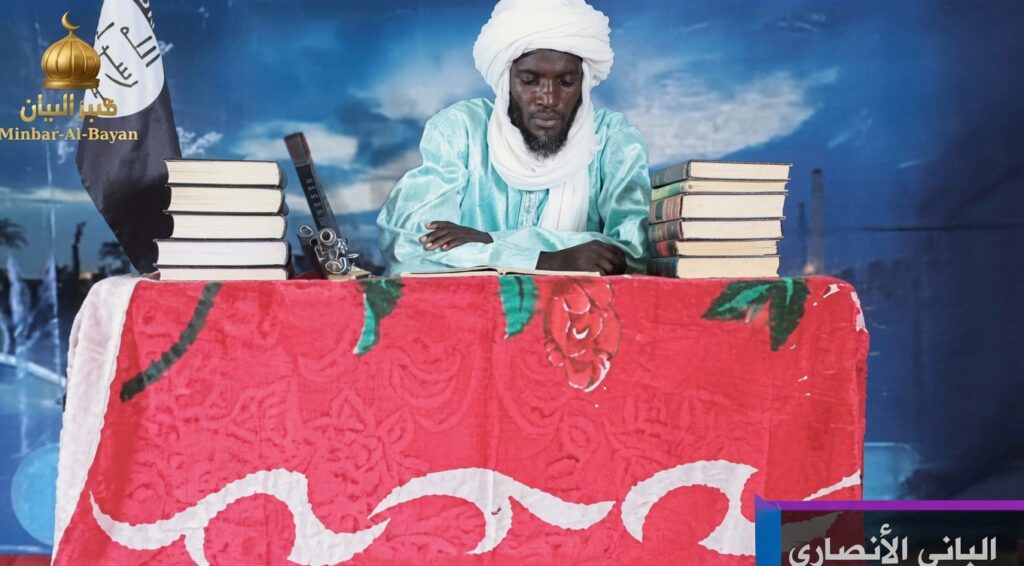
Last week’s video message from Jama’at Nusrat al-Islam wal-Muslimin (JNIM), an Al-Qaeda affiliate operating in the Sahel, delivered a blunt challenge to Niamey’s leadership. In a direct rebuttal to General Tiani’s public statements, the group’s spokesman, Sheikh Albani Al-Ansari, drew a clear ideological line: the conflict will persist as long as the Nigerien state clings to its republican constitution.
« If you abandon the Constitution to govern solely by Sharia, the war between us will end. Otherwise, it will continue. »
This declaration exposes a fundamental misjudgment in the junta’s strategy. General Tiani’s rhetoric has centered on reclaiming sovereignty, decrying Western influence, and framing the expulsion of French forces as essential to restoring security. Yet the jihadist agenda operates on a different axis entirely. Their fight is not against foreign troops but against the very notion of a modern, secular state—its institutions, laws, and republican framework. For them, replacing one ally with another or swapping leaders in Niamey changes nothing; the end goal remains the dismantling of the existing order.
Ideology over alliances
The recent video underscores that the security crisis cannot be reduced to diplomatic maneuvering. Jihadist groups have never tied their violence to the presence of Western militaries; their campaign is rooted in a long-term vision of territorial control, public authority erosion, and the overthrow of constitutional governance. This ideological core persists regardless of who holds power or which foreign partners the regime aligns with.
The military’s assumption—that centralized, authoritarian rule would yield faster, more effective counterterrorism results—has also proven flawed. Since the 2023 coup, despite restructuring efforts, attacks have continued unabated across multiple regions. Jihadists adapt swiftly, exploiting ungoverned spaces, intercommunal tensions, and the logistical vulnerabilities of Niger’s armed forces. The idea that a shift in governance alone could neutralize the threat has collapsed under the weight of reality.
Diplomatic isolation and economic strain
The fallout from the coup has compounded the crisis. Regional sanctions, strained relations with traditional partners, and the scaling back of critical cooperation have reshaped Niger’s strategic environment. While some measures have since been adjusted, their lingering effects continue to cripple state finances, deter investment, and drain resources needed to sustain the war effort. The junta’s pivot toward new alliances—particularly with Russia and the military-led Alliance of Sahel States (AES)—has reinforced its sovereignist narrative, but tangible security gains remain elusive.
Civilian populations in high-risk zones bear the brunt of this impasse. Schools and health centers close under threat, displacement crises surge, and public services collapse as the state’s capacity to protect its people dwindles. The regime’s attempts to bolster legitimacy through religious rhetoric have backfired, with jihadist leaders dismissing its Islamic references as insufficient. For them, only the full implementation of Sharia will satisfy their demands—and until then, the state remains a legitimate target.
A paradox of power
The junta now confronts an impossible choice: concede to jihadist demands and dismantle the republic’s constitutional foundations, or persist in a protracted, costly war with no clear endgame. Either path carries profound risks. Accepting the militants’ conditions would sacrifice the very identity of the Nigerien state. Rejecting them prolongs a conflict that drains national resources, erodes public trust, and offers no guarantee of victory.
This dilemma reflects a broader truth for the Sahel: countering jihadist expansion cannot be achieved through sovereignty slogans or shifting alliances alone. Success demands robust institutions, a visible state presence across all territories, regional collaboration, economic development, and responses to the social fissures that insurgents exploit for recruitment. The Nigerien experience serves as a stark reminder that toppling a government is far simpler than reversing decades of institutional decay and ideological warfare.
General Tiani’s regime has learned the hard way that its survival hinges not on declarations of independence or the expulsion of foreign forces, but on confronting an enemy whose goals extend far beyond the corridors of power in Niamey. Until this reality is acknowledged, Niger will remain trapped in a cycle of violence with an uncertain and increasingly distant resolution.

More Stories
Mali’s Wagner successor Africa Corps drains $850M from fragile budget amid shifting power dynamics
Behind the Molodo ambush: how Mali’s junta’s Russian gamble unraveled
Russia’s 2026 parliamentary vote: a landslide masked by a locked political arena