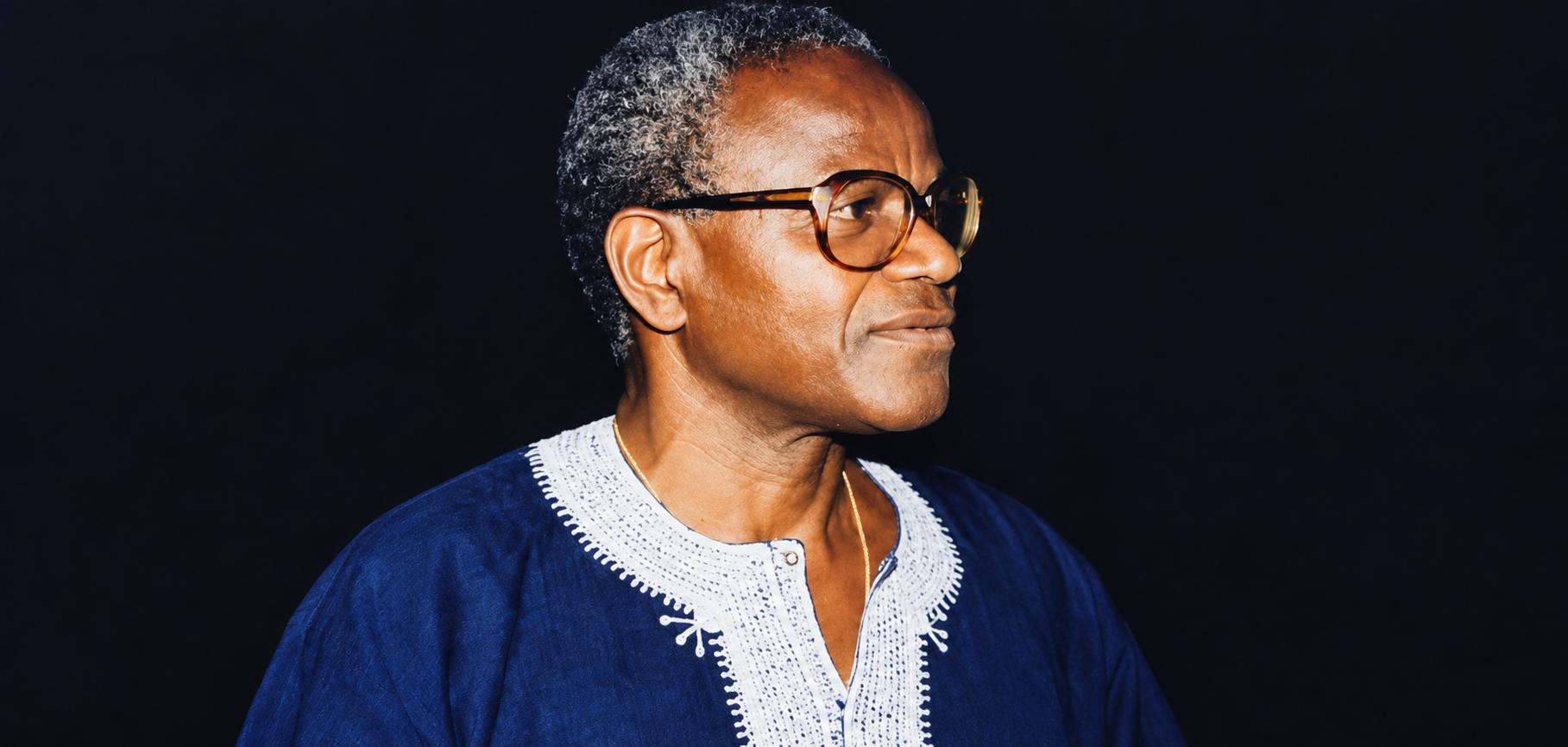
At the intersection of history, spirituality, and literature, Olympe Bhêly-Quenum’s century-long journey stands as a testament to the enduring power of African storytelling. Born in Gléxwé, Ouidah—a region steeped in Vodoun tradition and the legacy of the Dahomey Kingdom—his life and work have become inseparable from the very fabric of Benin’s cultural heritage. As the literary world marks his centennial, it is not merely his age or prolific output that commands attention, but the deep-seated roots of his creative vision.
What forces shaped this extraordinary man, whose pen has illuminated the complexities of African identity? The answer lies in the interplay between tradition and modernity, the sacred and the secular, which have defined both his personal odyssey and the collective consciousness of a nation.
The cultural crucible: how the Vodoun heritage forged a literary voice
Olympe Bhêly-Quenum’s early years in Ouidah were defined by two powerful influences: the spiritual authority of his mother, a High Priestess of Vodoun, and the noble lineage of the Dahomey monarchy. This dual inheritance—a world where gods walk among men and history is both myth and lived reality—would later permeate his writing with a rare depth and authenticity.
In an era when African literature was often expected to conform to Western literary norms, Bhêly-Quenum’s work emerged as a bold reassertion of cultural sovereignty. His stories did not merely depict life in Benin; they wove the Vodoun cosmology, ancestral spirits, and the rhythms of local folklore into narratives that resonated far beyond national borders.
From colonial shadows to literary sovereignty: the making of a pioneer
After completing his education in Benin and France, Bhêly-Quenum returned to a continent grappling with the aftermath of colonialism and the search for post-independence identity. The backdrop of his literary debut, Un piège sans fin (1960), was the human struggle against oppressive systems—a theme that mirrored the broader fight for dignity across Africa.
Yet, his genius lay in his ability to transcend political commentary. Le Chant du lac (1965), winner of the prestigious Grand Prix Littéraire d’Afrique Noire, became a masterclass in balancing tradition with progress. Set around Lake Nokoué, the novel explored the tension between modernity’s promises and the unbreakable ties to ancestral beliefs, capturing the heart of Benin’s collective psyche.
A myth reborn: the child-spirit in African cosmology
Decades later, Bhêly-Quenum returned to myth in La Naissance d’Abikou (1998), a work that delved into the mythological figure of the child-spirit, Abikou. Drawing from Yoruba and Fon cosmogony, the novel reimagined the sacred role of children as bridges between the living and the divine. It was a bold reframing of African spirituality—not as folklore, but as living theology.
The journalist and cultural architect: bridging continents through print
Bhêly-Quenum’s influence extended far beyond the page. As editor-in-chief of La Vie Africaine, he championed a new wave of African journalism, one that prioritized cultural integrity over sensationalism. Later, with L’Afrique Actuelle, he created a platform where African voices could engage in dialogue with global perspectives, fostering a pan-African intellectual ecosystem that remains influential to this day.
His work in media was not merely professional; it was an act of defiance. In an era when African narratives were often filtered through a colonial lens, Bhêly-Quenum insisted on telling Africa’s story on its own terms—through its languages, its myths, and its lived experiences.
What does a century of writing leave behind?
The longevity of Olympe Bhêly-Quenum’s career is not just a matter of time, but of legacy. His writings continue to be studied in African schools and universities, not as relics of the past, but as living texts that address contemporary questions of identity, spirituality, and resistance. For a new generation of writers, his career is a blueprint—a reminder that literature is not just an art form, but a tool for cultural preservation and transformation.
As Benin and Africa reflect on this centennial milestone, they are not just honoring a man who lived through a century, but celebrating the enduring power of African storytelling to shape identities, challenge norms, and inspire generations to come.