Behind the Dioura assault: the harsh reality of Mali’s security gamble
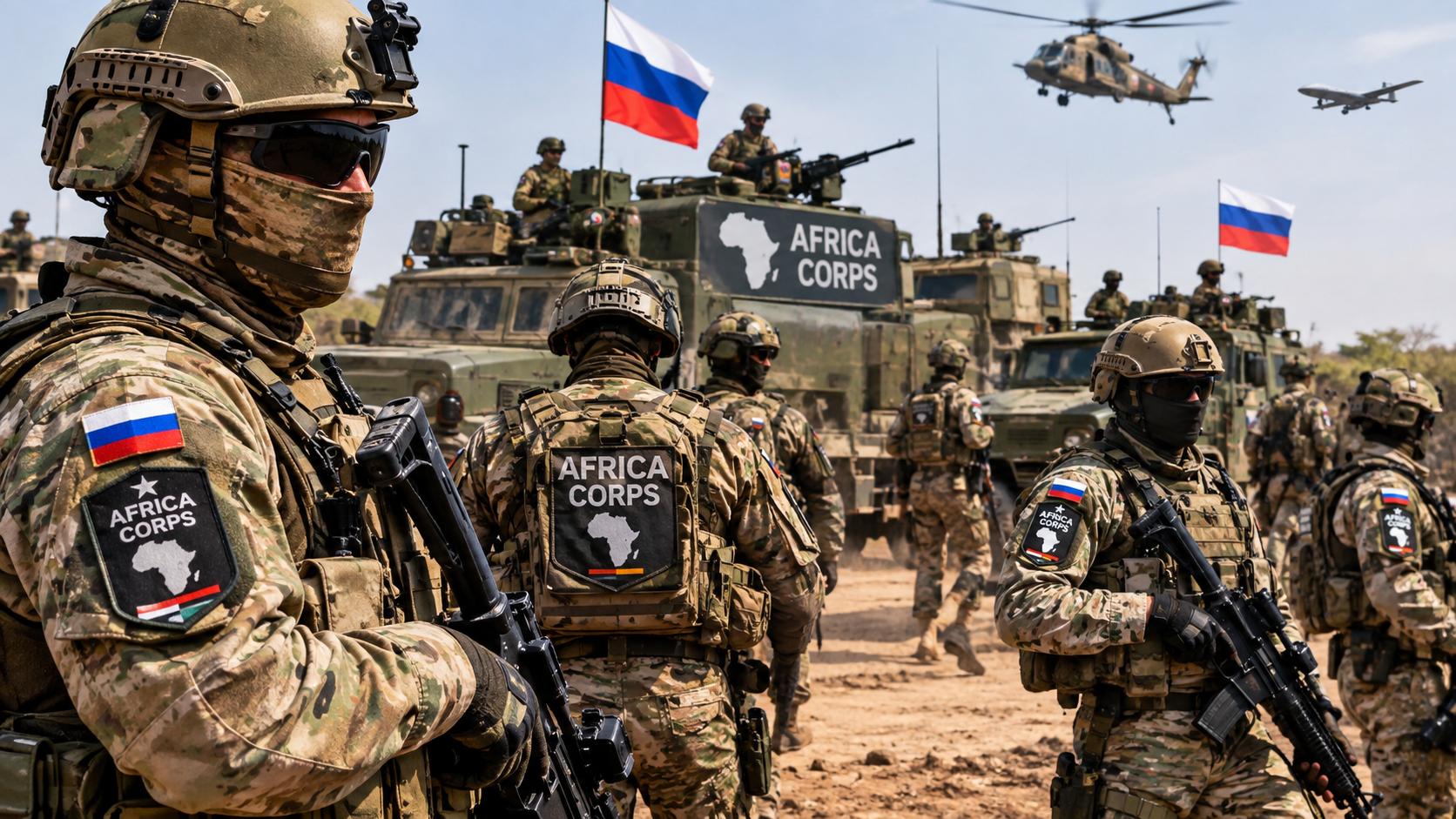
The attack on Dioura military camp on September 10 was supposed to be a turning point, but it has instead become a stark reminder of the persistent jihadist threat in central Mali. Claimed by the Group for the Support of Islam and Muslims (JNIM), the assault not only exposed critical vulnerabilities in Mali’s security strategy but also raised serious questions about the effectiveness of the Africa Corps, the Russian-backed force now leading the fight against insurgents in the Sahel.
The scale of the losses speaks volumes. While Malian authorities have not released an official death toll, military and local sources indicate at least 100 Malian soldiers and five Africa Corps members perished in the attack. The JNIM, however, claims the death toll was even higher—150 killed and 93 captured—a figure that remains unverified. What is undeniable is the symbolic and strategic impact of the assault: the temporary capture of a major military position and the seizure of weapons, ammunition, and vehicles, turning enemy stockpiles into a jihadist advantage.
The domino effect of jihadist advances
The fallout from Dioura didn’t stop there. In the following days, JNIM launched a series of coordinated attacks targeting other key military installations in central Mali, including Konna and Sévaré. The latter, home to significant military infrastructure and Africa Corps operations, came under drone strikes, including suicide drones aimed at helicopters and armed drones like the Turkish Bayraktar. These attacks were not merely tactical strikes; they represented a direct challenge to the technological superiority Mali and its allies had hoped to leverage.
The threat has now extended to the outskirts of Bamako, signaling a dangerous shift in the conflict’s dynamics. Where insurgents once focused on rural and remote areas, they are now probing the defenses of Mali’s political, economic, and military heartland. This expansion of jihadist operations underscores a critical flaw in the region’s security architecture: the inability to contain the insurgency beyond isolated strongholds.
Replacing Wagner with the Africa Corps: a strategic misstep?
Following the withdrawal of French forces and the UN peacekeeping mission, Mali sought a new partnership with Moscow to bolster its counterterrorism efforts. The Africa Corps, directly under Russia’s Defense Ministry, was positioned as a game-changer—a force equipped with air power, drones, and advanced intelligence capabilities that could reverse the tide of the insurgency.
But the results so far tell a different story. Since its deployment, the Africa Corps has faced repeated setbacks. In April 2026, a coordinated offensive by JNIM and the National Movement for the Liberation of Azawad (MNLA) targeted multiple cities and military positions. By July, another ambush near Anéfis had resulted in further losses for Malian forces and their Russian allies. Analysts point to the insurgents’ adaptability—exploiting mobility, sustained pressure, and coordinated strikes—as a major factor in their continued success.
The question now looms large: Can a foreign force, no matter how well-equipped, compensate for the structural weaknesses of a national army grappling with an entrenched insurgency? The answer, as recent events suggest, is far from clear.
A cross-border crisis with regional consequences
The challenges facing Mali are not isolated. Burkina Faso and Niger are also contending with persistent jihadist violence, with the Sahel now ranking among the deadliest regions in the world for militant-related casualties. According to the Africa Center for Strategic Studies, militant Islamist groups have been responsible for thousands of deaths across the region in recent years, with JNIM playing a leading role in the violence.
The Institute for Security Studies has warned that the insurgents’ evolving tactics and alliances pose an escalating threat to the entire AES region. The organization has called for stronger regional cooperation among Mali, Burkina Faso, and Niger to address the crisis. Yet, despite the AES’s founding mission to enhance collective defense, the persistent jihadist advances highlight a troubling contradiction: an alliance built on sovereignty is struggling to deliver tangible security results.
Measuring success beyond firepower
The Africa Corps brings undeniable capabilities to the table—air support, drones, and intelligence gathering. These tools have undoubtedly inflicted losses on jihadist groups. However, the frequency of attacks against Malian forces suggests that firepower alone is insufficient to reverse the insurgency’s momentum.
Equally concerning are the collateral consequences of military operations. Reports indicate that airstrikes in June near Kyrnia, Mopti region, resulted in civilian casualties, including children. Similar allegations surfaced in July in Bombori, where Africa Corps operations allegedly led to the deaths of nine civilians. While interpretations of these events vary, they fuel criticism of the methods employed and underscore the delicate balance between defeating insurgents and protecting civilians in asymmetric warfare.
In a conflict defined by guerrilla tactics, violence, and fluid alliances, success cannot be measured solely by the number of weapons seized or airstrikes conducted. Sustainable security hinges on protecting local populations, leveraging local intelligence, securing territory, and preventing insurgent groups from regrouping. On these fronts, recent events in Mali—and across the AES—reveal a stark reality: the current strategy is falling short.
The AES’s security model: a reckoning in the making
The assault on Dioura is more than a tactical setback; it is a moment of reckoning for the AES and its security model. With Bamako increasingly reliant on Moscow’s support, the stakes could not be higher. For the governments of the AES, the challenge is no longer just about halting the jihadist tide—it’s about proving that their vision of security can deliver results.
The Africa Corps may have reshaped Mali’s military landscape, but it has not neutralized the threat. The repeated attacks in Dioura, Sévaré, and near Bamako serve as a brutal reminder that the insurgency remains deeply rooted. The true test of the AES’s strategy will be its ability to safeguard soldiers, protect civilians, and secure territory over the long term. So far, the evidence suggests that this test is far from being passed.