one health initiative brings integrated care to Chad’s nomadic families
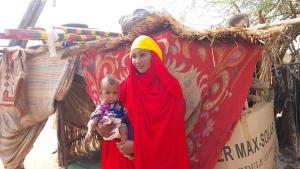
In the heart of Mandjafa, a nomadic settlement on the outskirts of N’Djamena, Afia arrived with her four-month-old daughter Fatma. The visit wasn’t just a journey—it was an opportunity to access a range of essential services tailored for mobile communities. For this mother of five, these integrated health interventions are a lifeline: “Vaccines keep my children healthy. No matter what illness strikes, I always take them to the nearest health center without delay,” she shares.
Afia is one of thousands of mothers across Chad belonging to pastoralist families whose livelihoods depend entirely on their herds. The seasonal migrations and remote locations of their settlements often create barriers to accessing basic healthcare. Nomadic populations make up approximately 3.5% of Chad’s total population, yet they remain among the most underserved when it comes to health services.
bridging gaps with a unified health strategy
To address this disparity, the Chadian Government has adopted the One Health approach—a collaborative framework uniting health, livestock, environmental, and agricultural sectors. This strategy ensures that essential services reach communities that traditional healthcare systems struggle to serve. During a recent campaign in Mandjafa, the initiative delivered integrated care to 134 individuals, including 11 children, while also vaccinating 96 animals. Families received vitamin A supplementation, deworming treatments, and insecticide-treated mosquito nets.
Dr. Mahamat Béchir, National Coordinator for the One Health platform and Permanent Secretary of the national coordinating body, explains the rationale behind this approach: “Early studies revealed that vaccination coverage among nomadic groups was critically low. We realized we had to rethink our strategies to align with their way of life.”
The teams quickly noticed that pastoralists frequently used veterinary services. By merging animal health interventions with human health services, they could reach more families in a single visit, reducing the need for multiple trips. This dual approach not only saves time but also strengthens community trust in health services.
protecting livelihoods and families in one visit
For pastoralist households, livestock health directly impacts food security, income, and overall well-being. Youssouf Idriss, a herder with sheep, cattle, and camels near Mandjafa, emphasizes their importance: “Our animals are the backbone of our survival. They feed us, sustain us, and ensure our children’s future. Keeping them healthy is non-negotiable.”
The integrated campaigns address multiple needs simultaneously—from preventing zoonotic diseases to ensuring child nutrition—while improving access to preventive care. Raphael Neni, a veterinary officer with the Ministry of Livestock, has witnessed the impact firsthand over the past five years: “Since we strengthened vaccination efforts, the incidence of preventable diseases in livestock has dropped significantly. Herders themselves have noticed the improvements.”
These interventions also play a crucial role in reducing the risk of diseases that can spread between animals and humans, thereby enhancing community health security. At the national level, the One Health platform coordinates efforts across health, livestock, environment, and agriculture sectors to strengthen disease surveillance, prevention, and response.
Dr. Tamadji Mbaïhol, who oversees routine vaccination programs at the World Health Organization’s Chad office, has worked with nomadic communities for nearly two decades. He observes: “Pastoralist families readily accept health services when they’re delivered in ways that fit their lifestyle. The real challenge is reaching them where they are—and that’s where adaptation makes all the difference.”
a model of collaboration for public health
The success of the One Health approach in Chad stems from robust inter-ministerial collaboration and partnerships with technical and financial supporters. The World Health Organization has played a pivotal role in strengthening the platform, enhancing international health regulations, and building local capacity.
Dr. Béchir highlights the progress: “The support from partners has not only fortified the One Health platform but also fostered a shared commitment to tackling public health priorities together.”
As Afia prepares to return home with her daughter, she leaves with more than just health services—she carries a message for other parents: “Illness doesn’t wait. When a child falls sick, act fast. A quick trip to the health center can make all the difference.”
The One Health initiative in Mandjafa is more than a healthcare campaign—it’s a bridge connecting nomadic families to the services they need most. By integrating care for humans and animals, it safeguards the health of communities and the livelihoods that depend on them.