The Swiss oil trading giant Oryx Energies has recently undergone a landmark ownership transition in a deal valued at nearly $1 billion, sending shockwaves through Africa’s energy sector. The announcement follows months of industry speculation and signals a pivotal moment for a group that has shaped the continent’s fuel distribution networks for over three decades.
Industry disruption: a billion-dollar deal that redraws the map
The acquisition of Oryx Energies for approximately $1 billion marks one of the most significant transactions in Africa’s energy trade this decade. While initial discussions around the sale surfaced as early as April 2026, it was only this month that the deal was finalized, ending months of uncertainty about the future of the Swiss-based company. The transaction underscores a growing appetite among global investors for African energy infrastructure, distribution networks, and supply chains that are deeply embedded in local markets.
The backbone of Africa’s energy supply: more than just a fuel trader
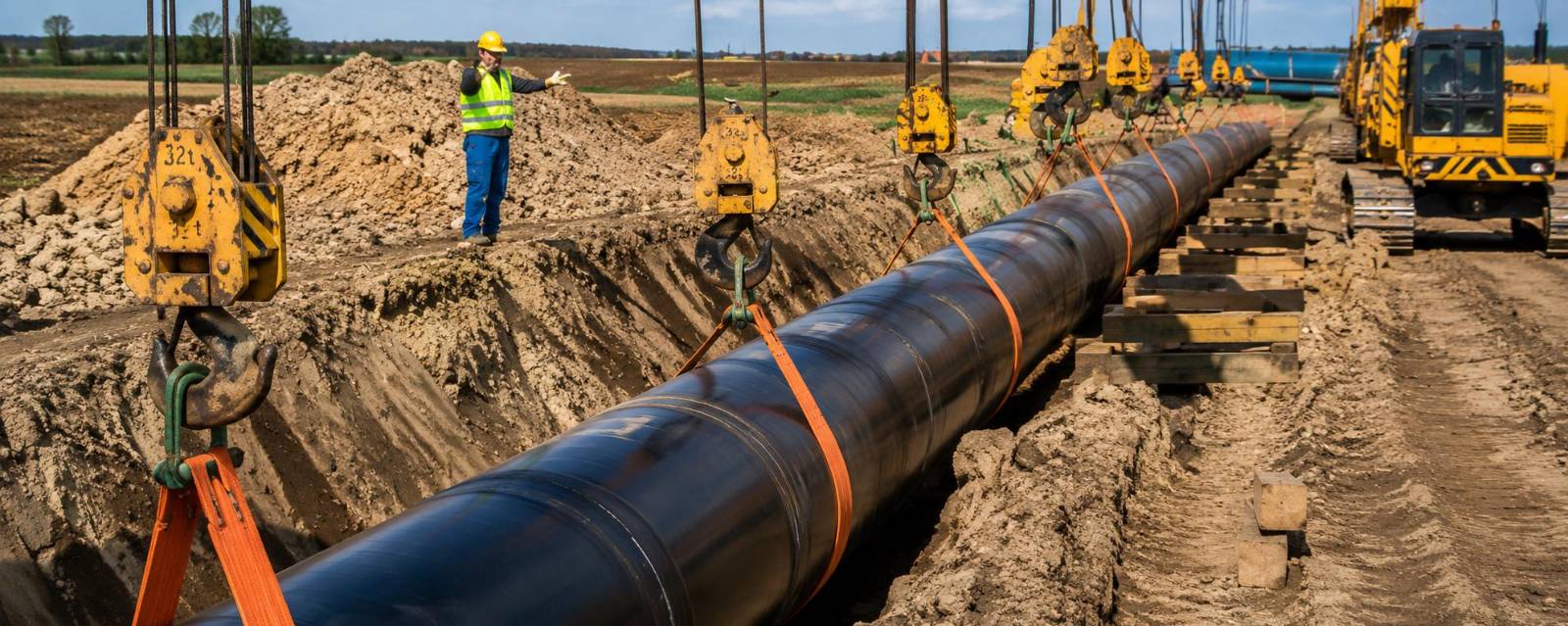
Beyond its role as a trader, Oryx Energies operates an integrated energy supply chain that spans 20 sub-Saharan African countries, employing over 1,800 staff. Its operations span beyond gasoline and diesel—encompassing liquefied petroleum gas (LPG), lubricants, marine bunkering, logistics, storage, and retail distribution.
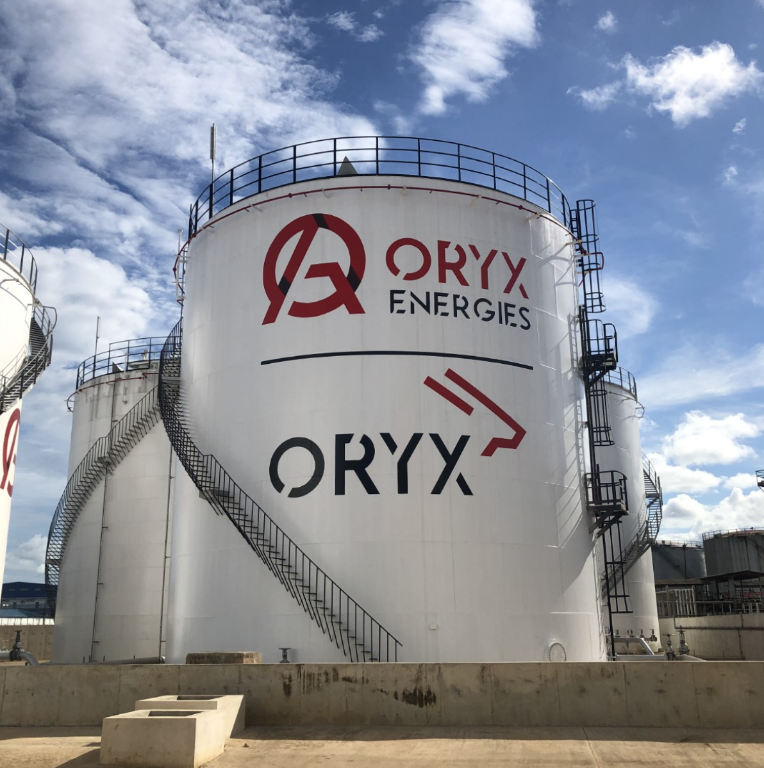
The company’s competitive edge lies in its extensive and strategically located infrastructure network. With a reported 947,276 cubic meters of storage capacity and the ability to handle 9.44 million tons of product annually, Oryx has built a robust foundation that connects international supply sources with end users across Africa. In markets heavily reliant on fuel imports, such vertically integrated systems provide a critical advantage, ensuring supply reliability and logistical efficiency.
Why LPG distribution is becoming a cornerstone of growth
One of Oryx Energies’ most strategically important offerings is its LPG business. In countries like Tanzania, the company has not only supplied clean cooking fuel to households but also supported industrial and transportation sectors. Earlier this year, reports suggested discussions around a $250 million asset deal involving Oryx’s Tanzanian operations, including fuel and LPG assets and a stake in the TIPER storage infrastructure. This move highlighted the rising value of downstream energy assets in the region.
By expanding access to LPG, the company is helping reduce reliance on charcoal and wood fuel—key drivers of deforestation and indoor air pollution in many African nations. This dual benefit—meeting growing energy demand while promoting sustainability—has made LPG distribution a priority area for both governments and investors.
Why is Oryx valued at $1 billion?
The $1 billion valuation is not merely a reflection of trading volumes. It encapsulates decades of locally rooted partnerships, regulatory approvals, long-term supply contracts, and a deeply integrated logistics network. Building such a presence from scratch would require years of investment, multiple licenses, and risk-taking in volatile markets—making the purchase of an established player like Oryx an attractive shortcut for new entrants.
In highly regulated environments with limited infrastructure, brand trust and operational maturity hold immense value. Oryx brings all three: a trusted brand, a compliant operational footprint, and a strategic network of depots, terminals, and commercial relationships.
What’s next for fuel markets across Africa?
The change in ownership could reshape energy dynamics across multiple African markets. New investors may prioritize infrastructure upgrades, expand storage capacity, or accelerate digitalization of distribution networks. In countries with rising fuel demand driven by urbanization and industrial growth, rapid access to secure supply channels will be critical.
Yet the sector remains exposed to global volatility: swings in oil prices, rising shipping costs, and geopolitical tensions continue to impact margins and planning. Operators with robust, diversified networks—like the one Oryx has built—are best positioned to weather these storms.
From Gandur to new horizons: the next chapter for Oryx
Founded under the AOG conglomerate by entrepreneur Jean-Claude Gandur, Oryx Energies was formally established in 2013 as a unified brand for energy trading and distribution. Now, under new ownership, the company faces a pivotal question: will the new investors push for geographic expansion, technological modernization, or even diversification into renewable energy solutions?
What is clear is that this $1 billion transaction is more than a financial milestone. It reflects Africa’s rising importance in the global energy map—a continent where energy demand is surging, infrastructure is becoming a national priority, and investors are increasingly betting on integrated, locally responsive energy enterprises.
As the dust settles on this historic deal, all eyes are on the long-term impact: will it accelerate energy access, strengthen industrial growth, and drive sustainable development? Or will it simply reshape power dynamics within a sector already in flux? One thing is certain: Africa’s energy future is being written now—and Oryx Energies is at the heart of the story.