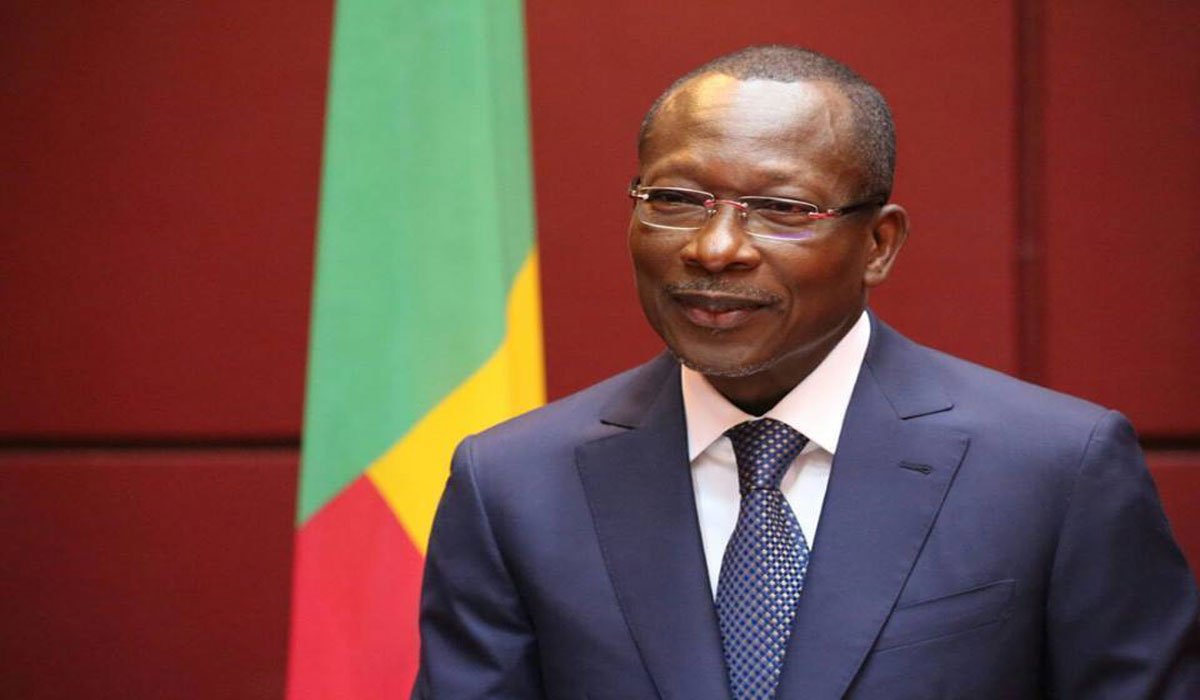
On August 6, 2026, Bénin’s political trajectory took a historic turn as the newly formed upper chamber of Parliament convened in Porto-Novo to elect Patrice Talon as the first-ever President of the Senate under the country’s bicameral system.
Following a decade at the helm of the executive branch from 2016 to 2026, the architect of Bénin’s « Nouveau Départ » agenda proved that stepping down from the presidency in West Africa doesn’t spell the end of a political career—it can mark a strategic transition.
Patrice Talon steps into a new institutional role
The overwhelming vote in favor of Patrice Talon reflects the culmination of constitutional reforms that restructured Bénin’s governance framework. The Senate, now composed of 25 members including former heads of state who serve as ex-officio members, was designed to serve as a stabilizing force and guardian of national unity.
- A chamber of moderation: With its inclusive composition, the Senate acts as a regulatory body, ensuring balanced governance and reinforcing democratic resilience.
- A voice of reason: By assuming leadership of the Senate’s permanent bureau, Patrice Talon retains significant political influence, positioning himself as a key mediator in the country’s evolving political landscape.
Can political life continue beyond the Marina Palace?
In a region where African leaders often cling to power or vanish from public life post-presidency, Patrice Talon’s journey stands out as a model of institutional maturity:
- Upholding constitutional limits: By stepping aside after two terms, he reinforced Bénin’s tradition of peaceful leadership transitions.
- Leveraging legislative power: Rather than pursuing international roles or private ventures, he chose to institutionalize his legacy by leading the upper house of Parliament.
- A statesman’s balance: Within the Senate, surrounded by other national figures, he assumes the role of a stabilizing arbiter, guiding reforms and fostering continuity.
Key takeaways from Patrice Talon’s Senate presidency
Patrice Talon’s election as Senate President on August 6, 2026, signals a shift in governance across Africa: the idea that former presidents can remain influential without holding executive office. This development highlights a growing trend of mature, institutional transitions in West Africa’s political landscape.