
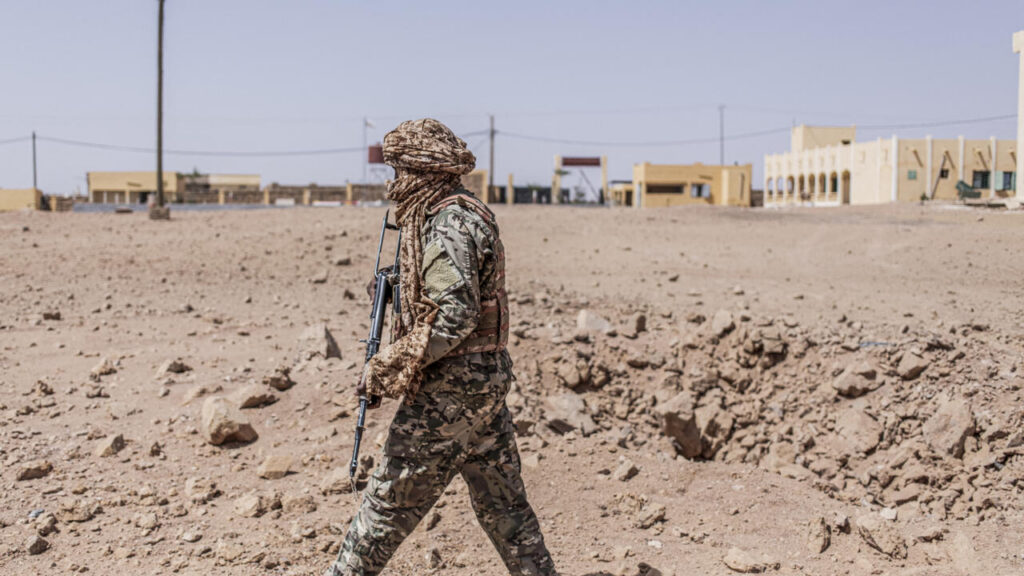
Could the United States launch strikes against Mali’s Jnim?
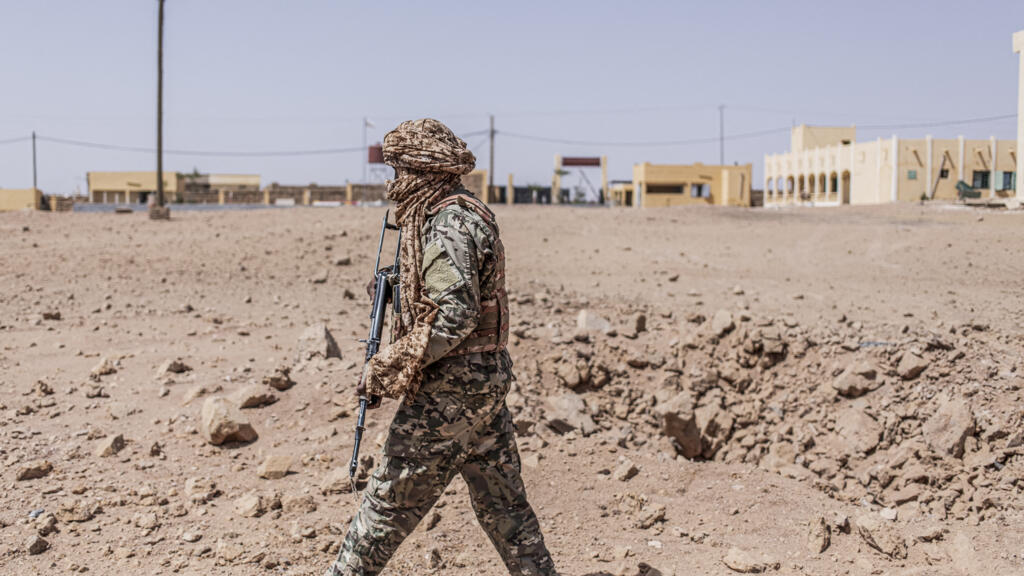
Washington is weighing military action in Mali against the Jama’at Nusrat al-Islam wal Muslimin (Jnim), an Al-Qaeda-linked jihadist group intensifying pressure on the country’s military leadership. This potential operation would mark the eighth country targeted by U.S. airstrikes during Donald Trump’s second term. But what would such an intervention entail? And could it escalate tensions with Russia’s Wagner Group already active in the region?
With Francis Kpatindé, former journalist and lecturer at Sciences Po.
Why is Washington considering military intervention in Mali?
The Trump administration is examining a potential U.S. military strike against Jnim, a jihadist coalition affiliated with Al-Qaeda that has been tightening its grip on northern Mali. The group’s recent offensives have stretched the Malian junta’s resources, raising concerns in Western capitals about the spread of Islamist insurgencies across the Sahel.
What would a U.S. operation look like?
If authorized, this would be the eighth country targeted by American airstrikes under Trump’s second term, following interventions in conflict zones across the Middle East and Africa. The operation would likely involve precision strikes against high-value Jnim targets, including command centers and weapons depots. However, the Pentagon has yet to confirm whether such plans are under active consideration.
Could this escalate tensions with Russia?
The Kremlin has maintained a strong presence in Mali through the Wagner Group, which supports the country’s military junta in exchange for resource concessions. Any U.S. military action could provoke a sharp reaction from Moscow, potentially drawing it deeper into the conflict. The risk of escalation is particularly high given the ongoing proxy dynamics in the region.
What are the potential consequences for Mali?
A U.S. intervention could have both strategic and humanitarian implications. While it might weaken Jnim’s capabilities, it could also further destabilize an already fragile political situation in Bamako. International observers warn that military escalation often leads to civilian casualties, exacerbating the humanitarian crisis in the Sahel.
The coming weeks will determine whether Washington proceeds with strikes. For now, the world watches closely as diplomatic and military options are weighed in capitals from Washington to Moscow.


More Stories
Mali: près de 80 soldats tués dans l’attaque de Dioura
Côte d’Ivoire : le Burida prépare une distribution record de 795,4 millions FCFA
Paris FC vs Lyon: kick-off time and TV channel for the Ligue 1 matchday 4 clash