The Moscow-Mali military pact: a turning point with heavy consequences
After severing ties with Western powers, Mali’s, Burkina Faso’s, and Niger’s military juntas promised their people a new era of self-determination. However, the arrival of the Africa Corps—Russia’s answer to the Wagner Group—has exposed a harsh truth: sovereignty often comes with a hefty price tag. Now, the Sahel’s fragile states must ask: what are the financial, human, and strategic costs of aligning with Moscow?
The sovereignty narrative: from promise to paradox
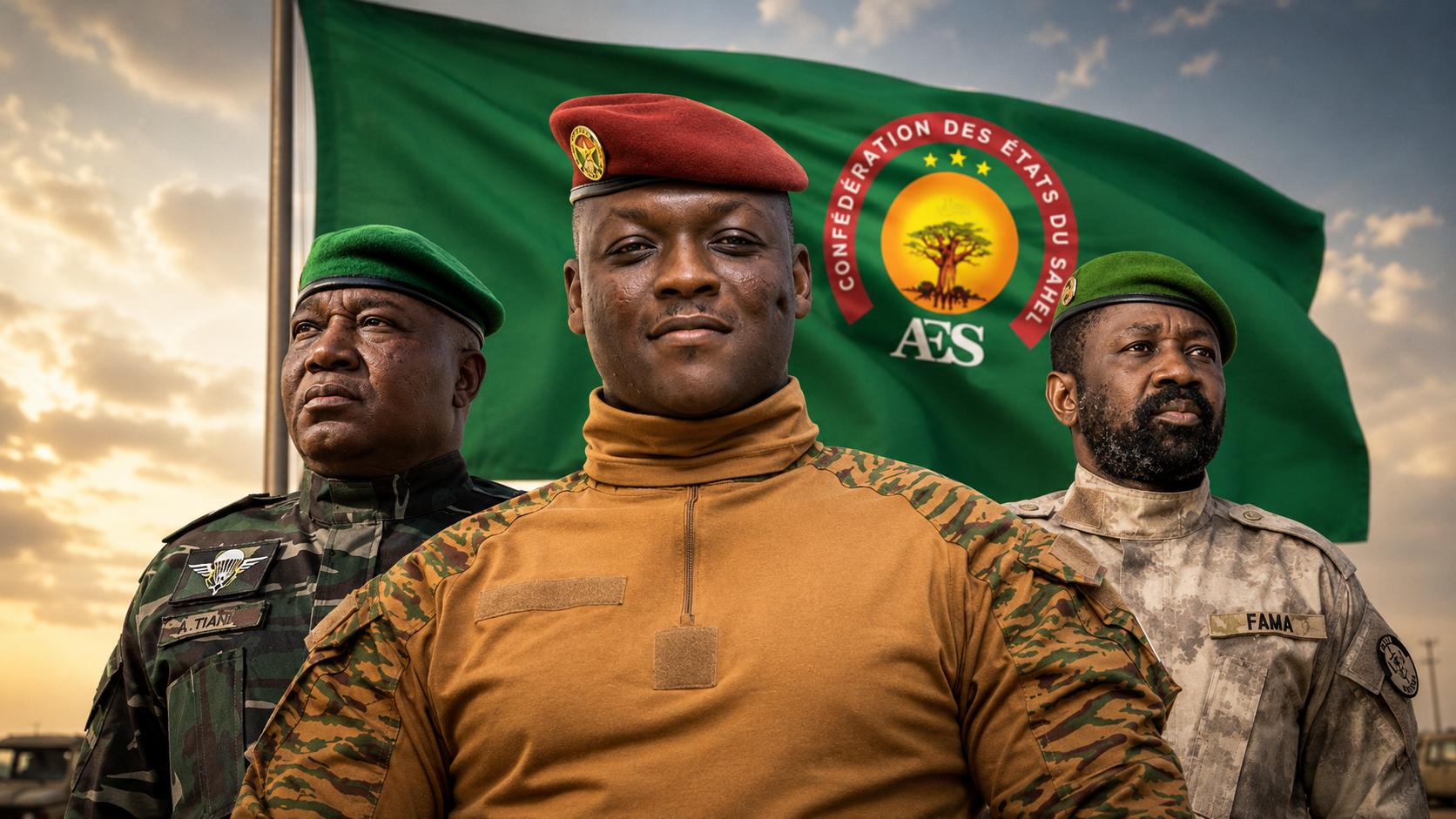
The 2021 coup in Mali led by Colonel Assimi Goïta, Burkina Faso’s 2022 seizure by Captain Ibrahim Traoré, and Niger’s 2023 takeover by General Abdourahamane Tiani were all framed as acts of liberation. The public outrage over France’s military presence, accused of neo-colonialism and failing to curb jihadist advances, became the rallying cry for the Alliance of Sahel States (AES). By 2023, the trio had formalized their union in a collective defense pact, strengthening their domestic legitimacy.
Yet beneath the nationalist rhetoric, a critical question emerges: has sovereignty truly been restored, or merely rebranded? The answer lies in the fine print of their agreement with Moscow.
Mali’s high-stakes gamble: cash, troops, and risky dependencies
Mali serves as the starkest example of the financial burden of this new alliance. Since 2021, Bamako has reportedly spent over one billion dollars on payments to Wagner, now rebranded as the Africa Corps. Monthly outlays hover near ten million dollars, draining the national treasury at a time when public services are already under strain.
Unlike Niger or Burkina Faso, where Russian involvement is largely limited to training and advisory roles, Mali’s Africa Corps units are embedded directly in combat operations. This heavy reliance on foreign fighters has raised alarm among security analysts, who warn that such outsourcing could erode the Malian army’s long-term operational capacity.
Security failures: a widening void in Mali’s heartland
Despite Moscow’s claims of battlefield success, the Africa Corps has struggled to stabilize Mali. Reports indicate that rebel groups have reclaimed key towns like Tessalit, Anéfis, and Aguelhok in northern Kidal after Russian forces withdrew in early 2026. In Gao and Ber, rural territories continue to slip from government control, forcing even skeptical observers to consider whether a political solution—not just military power—is now inevitable.
From sovereignty to protectorate: the long shadow of external control
Analysts now warn that the Sahel’s military regimes risk transforming into ‘de facto protectorates’ under Moscow’s shadow. While coups once symbolized resistance against Western influence, today’s alliances with Russia may be replacing one dependency with another.
The International Crisis Group highlights a troubling paradox: juntas enjoy political sovereignty—the freedom to reject Western demands—but their operational autonomy remains severely compromised. Moscow’s security guarantees come at the cost of deepening military dependence, leaving Bamako, Ouagadougou, and Niamey vulnerable to shifting geopolitical winds.
Moscow’s footprint: more than just fighters on the ground
Although no large-scale mining concessions have been officially ceded to the Africa Corps, the financial strain on Mali’s budget is undeniable. Meanwhile, Burkina Faso and Niger have diversified their arms suppliers, turning to Turkey, Iran, and China for equipment. Yet even with new partnerships, the reliance on foreign combat forces remains a critical weak spot.
Learning from history: the fragile legacy of Cold War interventions
The unfolding Sahel crisis echoes Cold War-era interventions in Angola and Ethiopia, where regimes survived only through Soviet or Cuban backing. Once that support vanished, the structural weaknesses of those states became glaringly apparent. The Sahel risks repeating this cycle unless its juntas prioritize building sustainable, homegrown defense capabilities over short-term security fixes.
A turning point for the Sahel: rethinking the path to true sovereignty
The Africa Corps deal was meant to mark a new chapter for the Sahel’s military regimes. Instead, it has exposed the fragility of their sovereignty claims. With fiscal strains mounting, security gaps widening, and historical precedents sounding alarms, the real turning point may yet lie in reversing course—before another tutelage replaces the last.