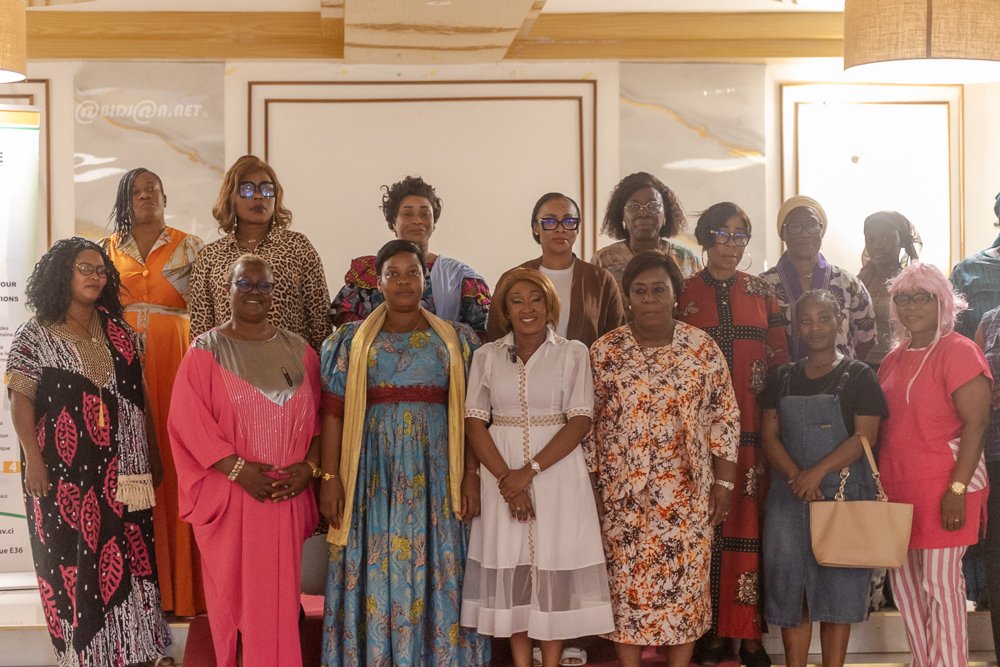
In a bold move to reshape the national labour landscape, a coalition of Senegalese trade unions and grassroots social movements unveiled the « Appel de Dakar » on July 23, 2026, at the headquarters of the National Confederation of Trade Unions of Senegal (CNTLS) in Médina, Dakar. The initiative marks a decisive step toward addressing the deepening job insecurity and the erosion of social dialogue that have plagued the country’s workforce in recent years.
The founding document of the « Appel de Dakar » underscores an urgent need to shield labour activism from political, administrative, or partisan interference. By rallying workers across the spectrum—from public sector employees to informal economy participants—the movement champions three core values: ethics, competence, and solidarity. It calls for a unified front that transcends traditional divisions, positioning itself as a fresh, independent voice in Senegal’s labour landscape.
Demands for transparency and accountability
The declaration sends a clear message to both the State and employers: social stability cannot be imposed by force. Instead, it requires open, honest dialogue and strict adherence to signed agreements. The « Appel de Dakar » insists that labour rights must be respected without exception, warning that coercive measures only breed resentment and instability. This stance reflects a growing frustration among workers who feel their concerns have been sidelined in past negotiations.
A call to empower the next generation
Beyond structural reforms, the movement places a strong emphasis on the role of young workers, women, and civic organisations. It urges them to take an active part in shaping the future of Senegalese labour activism, positioning this generation as the driving force behind a revitalised union movement. The « Appel de Dakar » envisions a leadership that is not only representative but also dynamic, capable of adapting to the evolving needs of a modern workforce.
The launch of the « Appel de Dakar » signals a turning point for Senegal’s labour landscape, offering a roadmap for a more inclusive, transparent, and resilient union movement. As the country grapples with economic challenges and shifting employment trends, this initiative could redefine the balance of power between workers, employers, and the State.