Senegal’s constitutional council strikes down Pastef reforms, weakening Sonko’s position
The constitutional council’s ruling, announced yesterday, invalidated the reform bill pushed by the ruling Pastef party’s parliamentary majority. The council ruled that the proposed changes violated constitutional norms, effectively halting a sweeping institutional overhaul.
Central to the rejected reform were plans to restructure power-sharing mechanisms, including the establishment of a new constitutional court. However, the council identified two critical flaws in the legislative process. First, the reform lacked a clear funding mechanism for the proposed constitutional court, a requirement under Senegal’s constitution. Second, procedural violations were noted during the parliamentary review of government amendments, particularly regarding the application of the vote bloqué mechanism.
The president, Bassirou Diomaye Faye, who referred the bill to the constitutional council, underscored the gravity of these findings. The decision not only nullifies the reform but also exposes deeper institutional vulnerabilities within the government’s legislative strategy.
Political reactions and constitutional debates
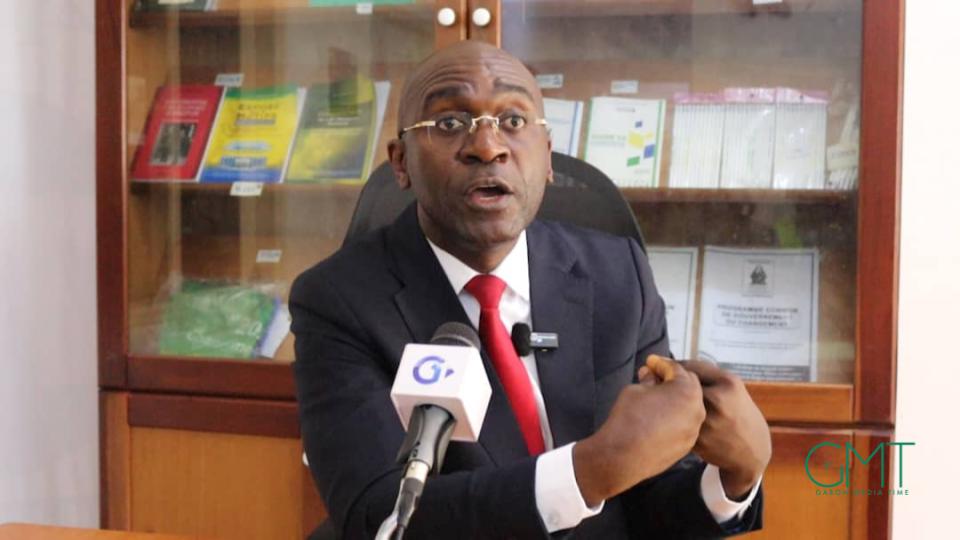
Adji Diarra Mergane Kanouté, former MP and leader of the USD/A party, described the ruling as a setback for the proposed referendum but not an irreversible defeat. She emphasized that while the constitutional council’s decision blocks the current reform, the National Assembly could still pursue a revised version—provided it adheres strictly to constitutional procedures. Specifically, she highlighted the need for compensatory revenue mechanisms under Article 82 of the constitution to fund new institutions like the constitutional court. Kanouté also criticized the Assembly’s refusal to apply the vote bloqué procedure at the government’s request, calling it a violation of constitutional protocol.
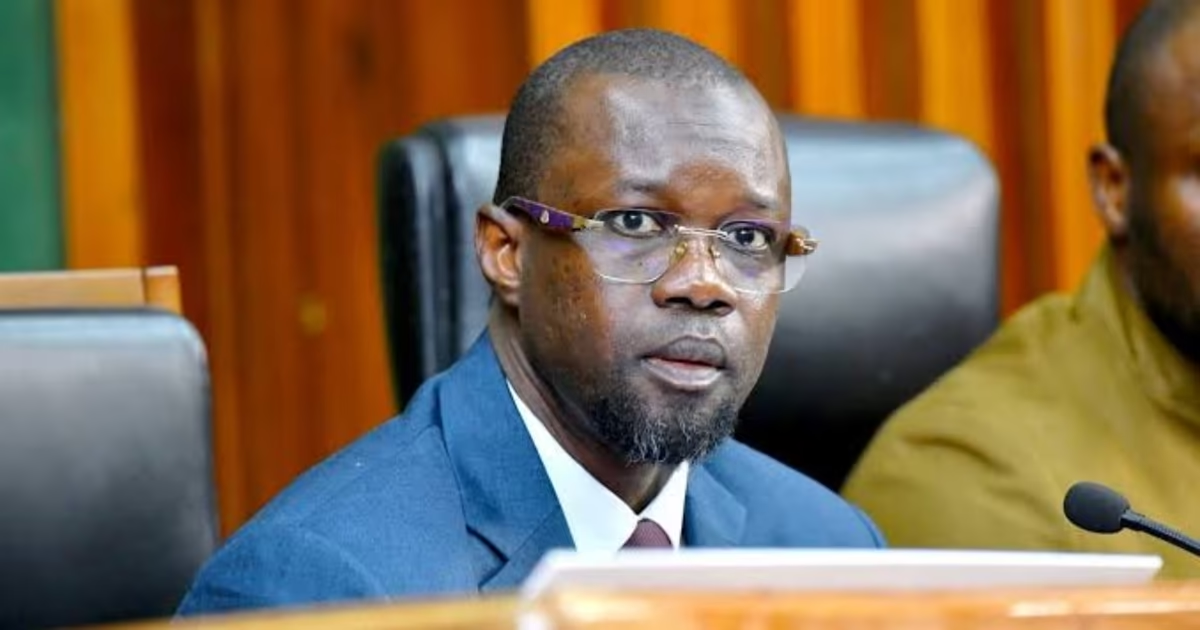
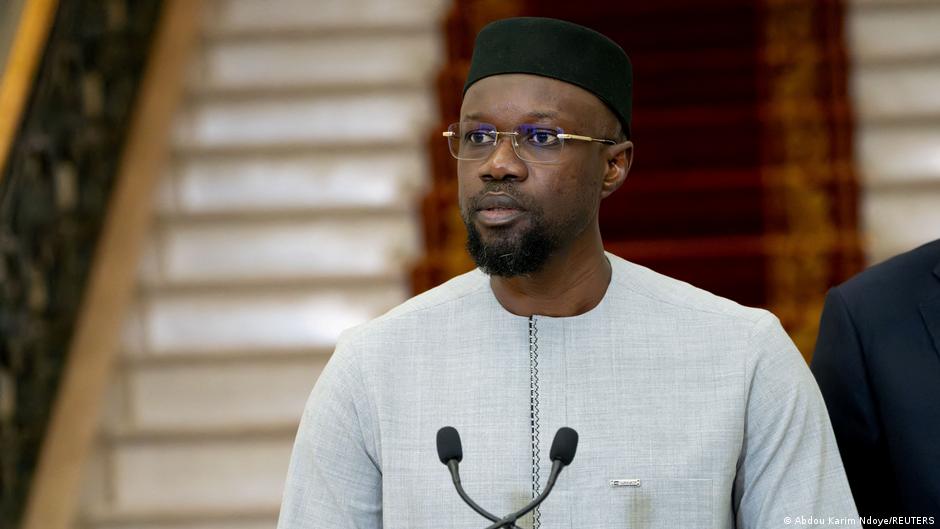
Ousmane Sonko publicly acknowledged the council’s decision in a social media statement, while the presidential coalition framed it as a validation of institutional checks and balances. Dr. Binette Ndiaye, coordinator of the Citizen Forum, praised the council’s ruling, arguing that it reinforces the rule of law and underscores the importance of inclusive dialogue in constitutional reforms.
In her remarks, Ndiaye stressed the necessity of broader civic engagement in constitutional processes. “As a member of civil society, I believe this decision should be celebrated,” she stated. “Initially, the reform lacked inclusivity, as if a single political party were unilaterally altering constitutional provisions without meaningful dialogue or consensus. The constitutional council’s intervention reminds us that even with a parliamentary majority, governance must reflect the diversity of opinions in our Republic.”
Growing political divisions
The council’s decision arrives amid escalating tensions between Sonko and President Faye. Sonko, who was removed from the premiership in May, has since positioned himself as a vocal critic of the administration’s policies. His recent public statements, including references to a “cohabitation” with the president, signal deepening rifts within the ruling coalition.
Political observers warn that the constitutional council’s ruling could mark a turning point in Senegal’s political landscape, further destabilizing the fragile balance of power between the executive and legislative branches. The decision not only weakens Sonko’s influence but also raises questions about the long-term viability of the government’s reform agenda.
The council’s ruling underscores the challenges facing Senegal’s democratic institutions as they navigate competing visions for governance. With Sonko’s political capital eroding and Faye’s authority increasingly tested, the coming months will likely see heightened scrutiny of the government’s legislative and constitutional strategies.