The Constitutional Council of Senegal has dealt a fresh blow to Ousmane Sonko’s political ambitions by rejecting the reform initiative pushed by his party, Pastef. The decision, announced yesterday, represents a significant setback for the ruling majority, which had hoped to reshape the country’s institutional framework.
The rejected reform aimed to redistribute powers among state institutions, a move supporters argued would enhance governance. However, the Constitutional Council found two critical flaws in the proposal: the absence of a clear funding mechanism for the future constitutional court outlined in the reform, and procedural violations during the parliamentary review of government amendments.

Political fallout and opposition voices
Adji Diarra Mergane Kanouté, former MP and leader of the USD/A party, emphasized that while the ruling is final for now, it doesn’t preclude future legislative efforts—provided they comply strictly with constitutional requirements. She highlighted the need for compensatory revenue mechanisms for public expenditure initiatives like election organization and the establishment of a constitutional court, citing Article 82 of the Constitution.
The Council also took issue with the National Assembly’s refusal to apply the blocked vote procedure at the government’s request, violating Article 82, paragraph four. Kanouté remarked that the decision reinforces the principle of constitutional supremacy, even for a majority government.
Key reform provisions rejected
One of the most contentious elements of the reform was the expansion of parliamentary investigative powers. The proposed changes would have granted lawmakers broader access to contracts related to natural resource exploitation and extended their oversight into previously restricted domains. This provision, along with the proposed constitutional court, faced strong criticism from opposition figures.
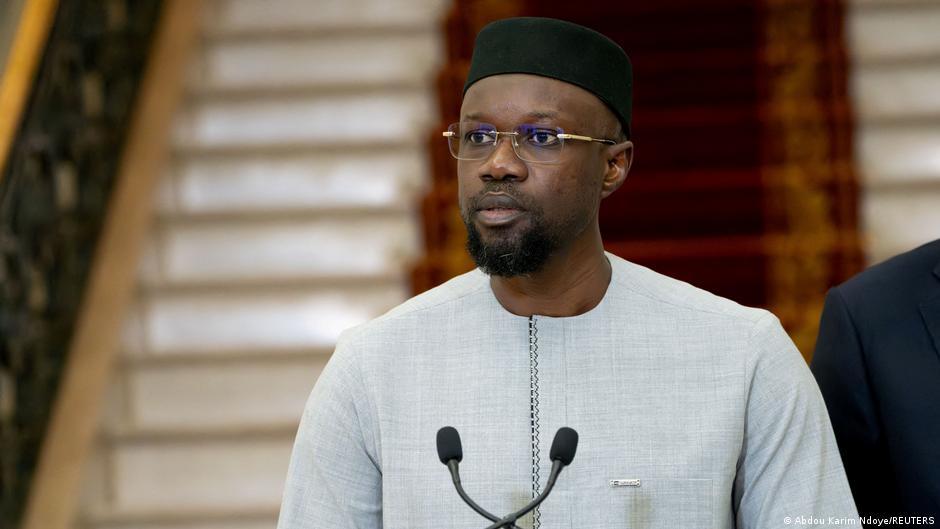
Ousmane Sonko, who was recently removed from the Prime Minister’s office, acknowledged the ruling in a social media statement. Meanwhile, presidential allies defended the decision, stressing the importance of institutional checks and balances.
Growing tensions in Senegal’s political landscape
The Constitutional Council’s ruling arrives at a pivotal moment in Senegal’s political climate, amid deepening rifts between Sonko and President Bassirou Diomaye Faye. Sonko, who previously held the prime ministership, has since taken the helm of the National Assembly, where tensions have escalated into open confrontation.
In a recent public address, Sonko described the current power dynamic as a cohabitation, a term typically reserved for periods of divided government control. Analysts warn that this institutional clash could have lasting consequences for Senegal’s political stability, particularly as the country grapples with economic and social challenges.
Civil society weighs in
Dr. Binette Ndiaye, coordinator of the Citizen Forum, praised the Constitutional Council’s decision, calling it a necessary safeguard against unilateral constitutional changes. “This ruling reminds us that our Republic operates on the principle of inclusion, even when a single party holds a majority,” she stated. The decision has sparked broader discussions about the need for consensus-driven governance in Senegal.