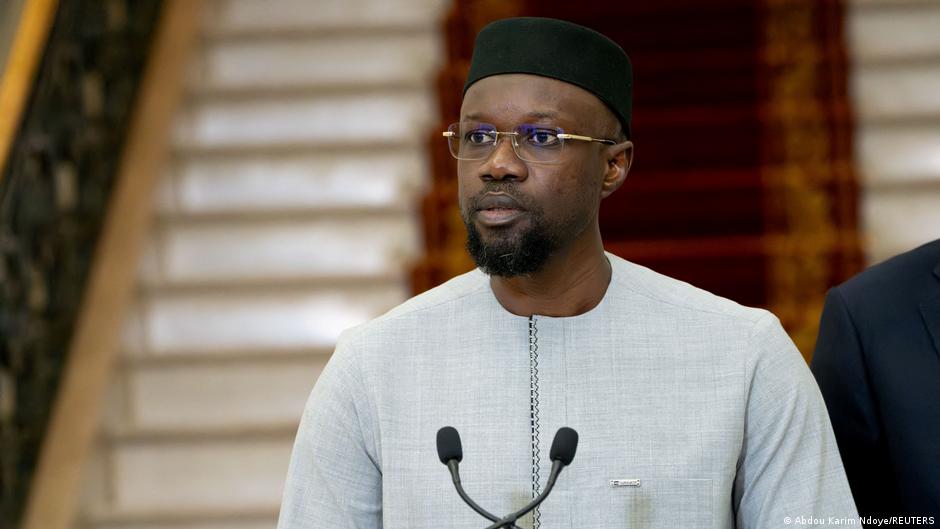
Senegal political crisis: constitutional council blocks Sonko’s reform
The Constitutional Council of Senegal has dealt a significant blow to the reform plans of the ruling Pastef party and its leader Ousmane Sonko. Yesterday, the Council ruled the proposed constitutional amendment unconstitutional, citing two major irregularities that violate the country’s fundamental law.
The reform, which the government argued would rebalance institutional powers, was rushed through the National Assembly where the president’s party holds a comfortable majority. However, the Council found that the bill lacked adequate funding provisions for the proposed constitutional court and failed to follow proper parliamentary procedures during amendments.
The decision comes at a particularly sensitive time in Senegalese politics. Ousmane Sonko, who was removed from the prime minister’s post in May, had positioned himself as a powerful figure in the National Assembly. His recent public statements about a “cohabitation” with President Bassirou Diomaye Faye have highlighted growing tensions between the two leaders.
The constitutional council’s findings
The Council’s ruling focused on two critical issues:
- Financial irregularity: The proposed constitutional court would require significant funding, but the bill did not include any provisions for generating these resources, violating Article 82 of the Constitution.
- Procedural violations: The Assembly failed to follow proper procedures when considering government amendments, specifically neglecting to apply the block voting mechanism requested by the executive branch, as required by the Constitution’s fourth paragraph of Article 82.
These findings effectively invalidate the entire reform package, putting an end to the government’s ambitious institutional restructuring plans.
Political reactions and implications
Ousmane Sonko took to social media to acknowledge the Council’s decision, while his supporters expressed disappointment. The presidential coalition, however, emphasized the proper functioning of institutions and called for continued dialogue on reform matters.
Civil society leader Dr. Binette Ndiaye, coordinator of the Citizen Forum, praised the Council’s decision, stating that it upholds the principles of inclusive governance. “We are in a Republic where even with a majority, we must consider the views of all citizens,” she emphasized.
Political analyst Adji Diarra Mergane Kanouté, leader of the USD/A party and head of the Ensemble Demain coalition, noted that while the decision blocks the current reform, it doesn’t close the door on future initiatives. “Any new proposal must respect constitutional procedures, especially regarding public funding and parliamentary rules,” she explained.
Broader political tensions in Senegal
The Council’s decision arrives amid escalating tensions between Senegal’s two most prominent political figures. Since Sonko’s removal from the prime minister’s office, public disagreements between him and President Faye have become increasingly visible.
Many observers view this constitutional setback as another chapter in the developing power struggle at the highest levels of Senegalese government. The outcome could significantly reshape the country’s political landscape in the coming years.
Related Posts
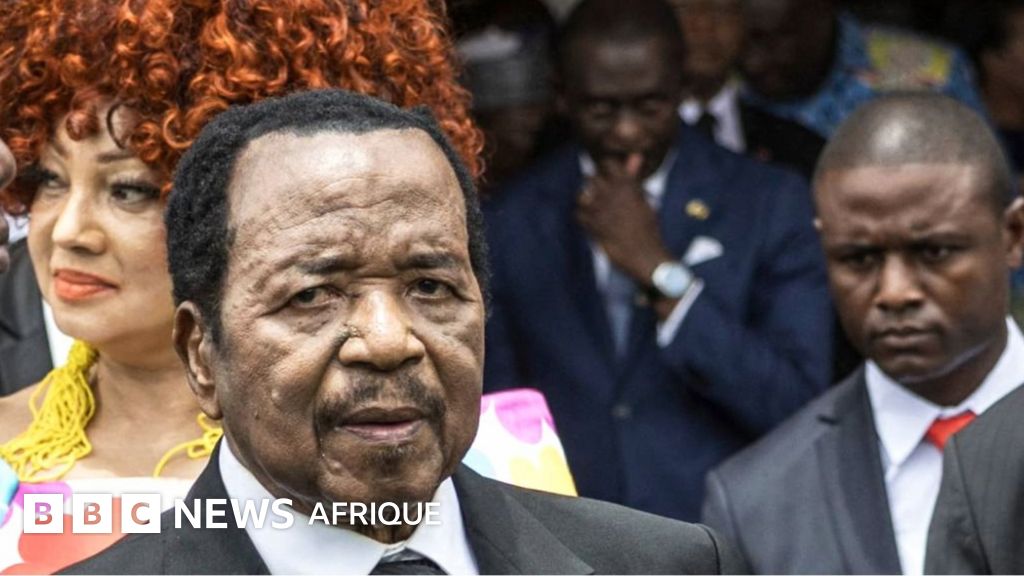
Cameroon’s biya enacts military reshuffle amidst prolonged swiss stay
Cameroon’s biya enacts military reshuffle amidst prolonged swiss stay In a significant move for African politics English, Cameroonian leader Paul Biya, a prominent historical figure […]
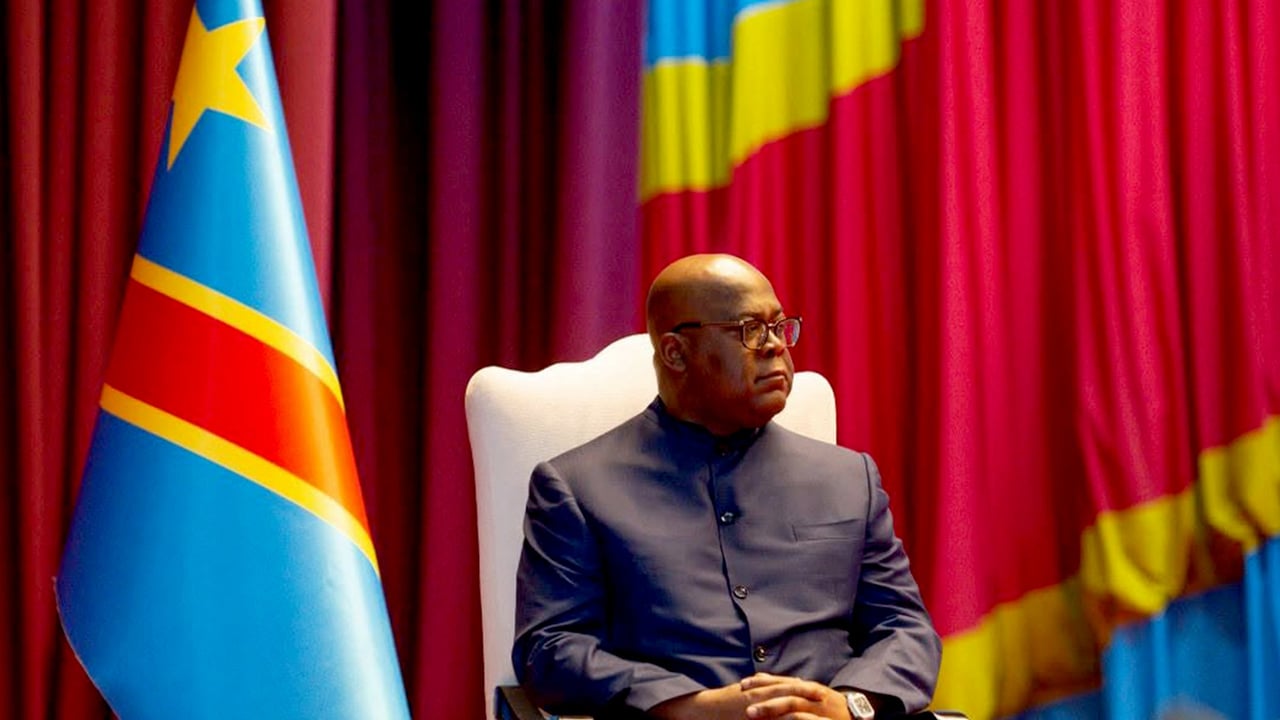
Drc court of auditors reignites criticism of Tshisekedi governance
Félix TshisekediSociété des Minière de Kilo moto (Sokimo) By Yacouba Boukari — Analyst
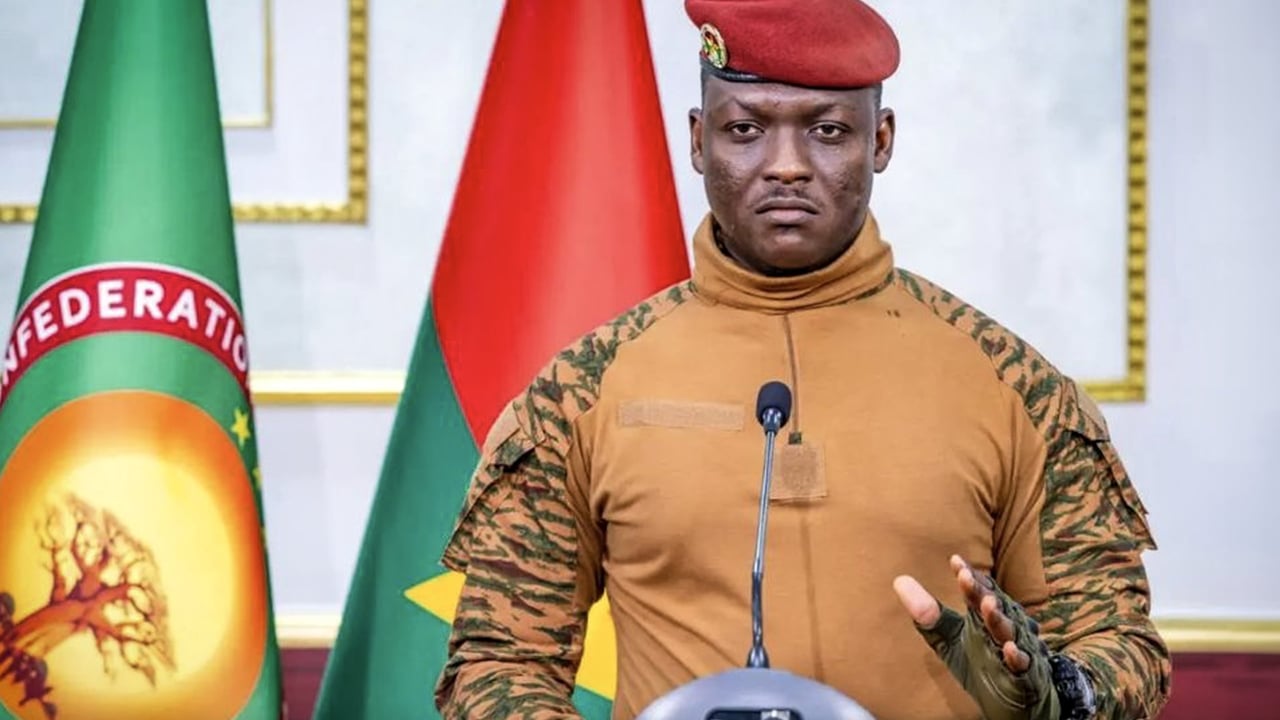
Au Burkina Faso, près d’un millier d’associations suspendues par la junte au nom de la lutte contre le financement du « terrorisme »
Par Jeune Afrique Publié le 13 mai 2026 Lecture : 1 minute. Fichier généré le Lire dans l’app Au total, les autorités ont suspendu 811 […]