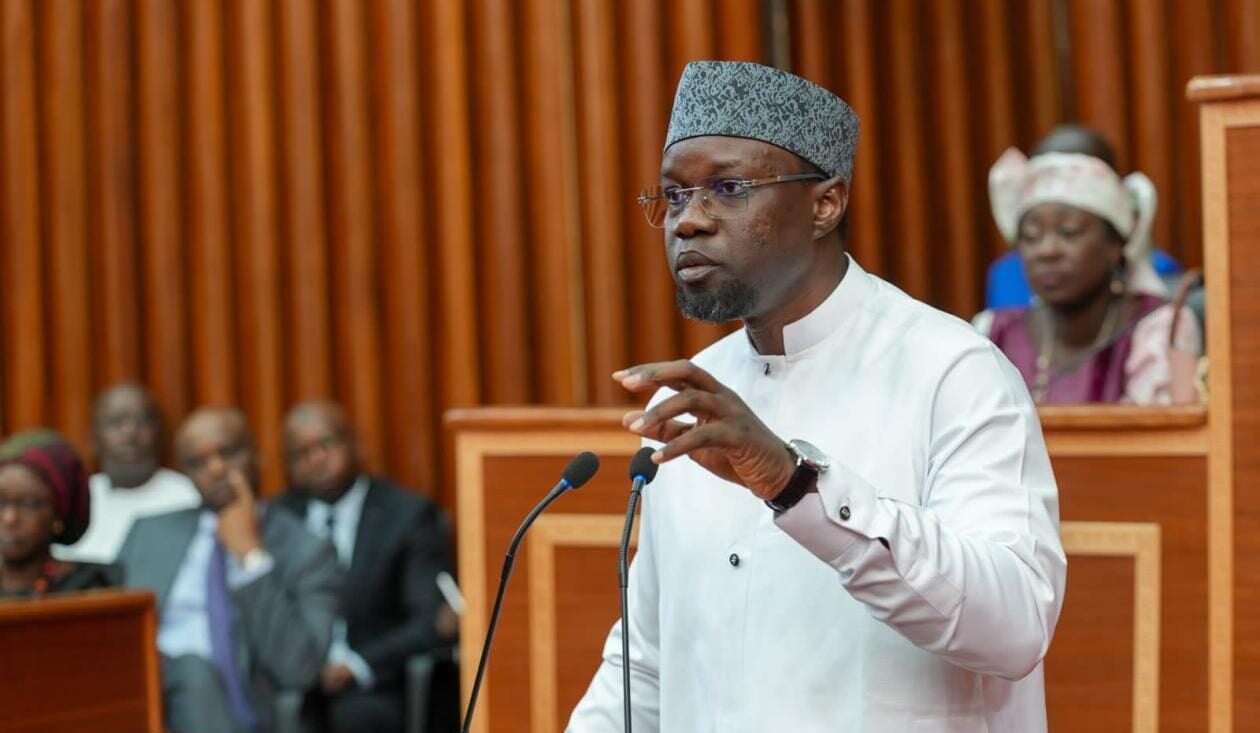
The political landscape in Senegal is heating up as the debate over the dissolution of the national assembly gains momentum. The Kiraay coalition, led by President Bassirou Diomaye Faye and guided by former Prime Minister Aminata Touré, has publicly urged the immediate activation of Article 87 of the Constitution, which could dissolve the legislature as early as December 2, 2026. While the move is framed as a strategic opportunity, the reactions it has sparked highlight deep divisions over its timing, feasibility, and potential consequences.
Why December 2026 could mark a turning point — or a misstep
The Constitution permits the president to dissolve the assembly two years after its installation, provided they consult—but are not bound by—the Prime Minister and the Assembly President. If the decree is signed on December 2, 2026, the electoral code requires the vote to occur between January 30 and March 1, 2027. The rule that elections must take place on Sundays further narrows the window to just five possible dates: the last Sunday in January and the four in February. This compressed timeline would disrupt ongoing legislative work, as multiple critical bills—from fiscal reforms to sectoral changes introduced since late 2024—would be abandoned mid-process.
Beyond the procedural impact, the move raises questions about governance continuity. The 2024 dissolution precedent demonstrated the state’s ability to organize elections quickly, but 2027 presents a greater challenge: a fresh electoral roll revision isn’t expected until 2025, meaning the voter registry would be over a year old by February 2027. This could disenfranchise first-time voters and citizens who have relocated, creating legal and logistical hurdles.
Who gets left off the voter list — and why it matters
Under electoral law, if the timeline is too tight, organizers may rely on the most recent ordinary revision—in this case, the 2025 registry. This excludes two groups: newly eligible voters who turned 18 after 2025, and citizens who have changed constituencies due to work or family moves. While the Constitution allows limited special revisions—such as adding new voters or recent relocations—doing so would require additional time and risk reopening pre-election disputes, as seen in the contested 2022 and 2024 elections.
Electoral expert Mamadou Seck emphasizes that the required consultations are advisory, not binding: “The president’s decision is final, but the stakes couldn’t be higher.” Political scientist Djibril Diop warns that rushing the process risks undermining the integrity of the vote: “If the electoral framework isn’t flawless, democracy itself is at stake.” Civil society groups have floated a compromise—limited exceptional revisions—but concede it would likely push the election beyond the constitutional deadline.
The hidden cost of a snap vote
The financial implications of a legislative election are substantial. Recent elections in Senegal have cost billions of CFA francs, on top of indemnities for outgoing lawmakers. With Dakar engaged in negotiations with the International Monetary Fund to address a 2024 public debt audit, every unplanned expense is under scrutiny. The Kiraay coalition argues that an early vote could secure a stronger pro-government majority, easing tensions over the 2025 budget and future legislation. Yet the president has yet to signal his stance. The coming weeks will determine whether this gamble strengthens governability—or deepens political instability.
The constitutional path forward
As the debate intensifies, three key factors will shape the outcome: the president’s decision, the state’s capacity to execute a flawless election, and public trust in the process. A dissolution could either consolidate the government’s agenda or trigger a fresh wave of protests and legal challenges. One thing is clear: the fallout of this decision will define Senegal’s political trajectory for the second half of Faye’s term.