The race for France’s 2027 presidential election is intensifying with a surprising new entrant joining over 30 individuals already vying for the Élysée Palace. Among them are traditional politicians, grassroots activists, and even Olympic champion Teddy Riner, who recently declared his presidential ambitions. Yet behind the headlines of bold announcements lies a critical hurdle: securing 500 official endorsements from eligible elected officials—a decisive step that will determine who actually appears on the ballot.
The path to candidacy is far from straightforward. While aspirations to the highest office in the land are abundant, the legal and logistical requirements set by French electoral law create a formidable barrier. Only those who successfully navigate this process will earn the right to compete in next year’s first round, scheduled for April 18, 2027. This pivotal moment in French politics demands more than ambition; it requires strategy, persistence, and an ability to rally support across the country’s diverse political landscape.
Why 500 endorsements matter in the 2027 presidential race
In France, declaring a presidential run is just the beginning. The most high-profile challenge facing every candidate is the collection of 500 valid endorsements from elected officials—a process known as parrainages. These signatures must come from a carefully defined pool of individuals, including mayors, members of parliament, regional and departmental councilors, and other authorized local and national officeholders.
The endorsements aren’t merely a formality. The law imposes strict geographic and proportional rules:
- Signatures must come from at least 30 different departments or overseas territories
- No single department can contribute more than 50 signatures (10% of the total)
- Endorsements do not imply political support—only eligibility verification
The system is designed to ensure that presidential hopefuls represent a broad geographic base, preventing campaigns that rely on narrow regional networks. For candidates without deep political roots or established alliances, this requirement can become a nearly insurmountable obstacle.
Who can run for President? Legal and administrative prerequisites
To stand for president, candidates must meet several legal conditions beyond gathering endorsements. These include:
- French nationality
- Age of at least 18 years
- Full enjoyment of civil and political rights
- No record of disqualification or legal ineligibility
- Fulfillment of national service obligations
- Compliance with electoral filing procedures
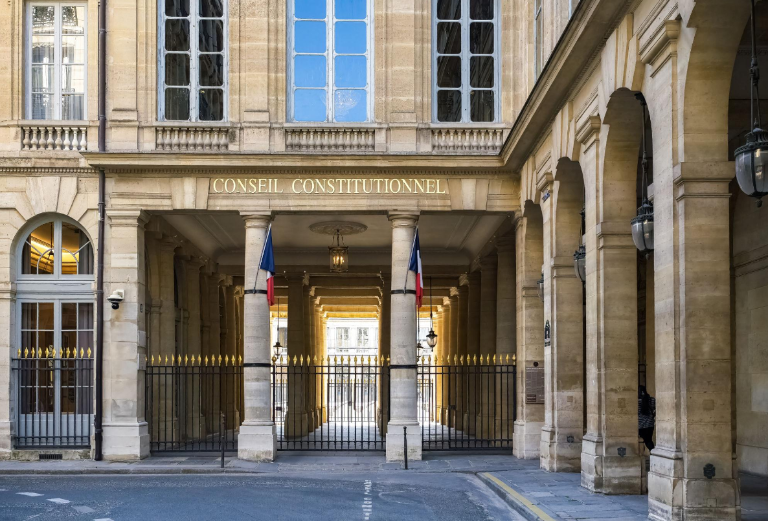
Once the 500 endorsements are secured, candidates must submit their application to the Constitutional Council, which reviews:
- The validity of the collected signatures
- Compliance with eligibility requirements
- Candidacy consent and legal declarations
This independent body then publishes the official list of qualified candidates—typically by late March 2027—marking the official launch of the presidential campaign.
The final sprint: meeting the March 2027 endorsement deadline
Time is running short for contenders aiming to appear on the 2027 ballot. The Constitutional Council sets a strict deadline: all endorsements must be submitted by March 12, 2027, at 6:00 PM. The validated list of candidates will be released no later than March 26, 2027.
This compressed timeline forces candidates to rapidly mobilize support networks, often leveraging personal charisma, media exposure, or ideological alignment to persuade local officials. Independent or outsider candidates—like Teddy Riner—face an even steeper climb, as they lack party machinery to facilitate signature gathering.
Campaign finance: transparency and spending limits
The road to the Élysée isn’t just political—it’s financial. Campaign spending is tightly regulated, with strict caps and mandatory transparency. All funding sources must be disclosed, and campaign accounts are audited by the National Commission for Campaign Accounts and Political Financing (CNCCFP). Donations are capped, and violations carry legal consequences, underscoring the importance of ethical fundraising in the process.
From ambition to validation: how many will make the cut?
With over 30 individuals having publicly expressed their presidential ambitions, the field is crowded. Yet the number of candidates on the final ballot may be significantly smaller. Some may withdraw under pressure; others won’t secure the required endorsements; a few might even fail eligibility checks.
Teddy Riner’s entrance into the race highlights this dynamic. While his announcement drew widespread attention, his path to the ballot will test his ability to transcend partisan divides and rally support across France’s complex political geography. The same challenge faces every aspirant—from seasoned politicians to political newcomers.
As the clock ticks toward spring 2027, the race is not just about declaring candidacy. It’s about proving nationwide viability. The ambitious dreams of contenders are powerful, but without 500 endorsements and Constitutional Council approval, they remain unfulfilled aspirations.
The first round of voting is set for April 18, 2027, with a possible runoff on May 2, 2027. Until then, the race is a marathon of endorsements, compliance, and public persuasion—where only the prepared survive.