Algeria’s latest commercial offensive into Niger signals a pivotal moment for local industries. A convoy of 25 heavy trucks recently departed from Adrar in southern Algeria, carrying 1,050 tons of goods including dates, detergents, packaging, and salt—all destined for markets across Niger. This shipment, part of a broader export strategy, underscores a critical turning point: as Algerian goods flood the Nigerien market, the question is no longer whether imports will arrive, but whether local producers can survive the competition.
For Niger, a landlocked nation heavily reliant on cross-border trade, this influx presents both an opportunity and a challenge. While imported goods may offer consumers lower prices and greater variety, they also threaten to overshadow the country’s fragile local industries. The stakes are high: without decisive action, Algeria’s commercial momentum could stifle Niger’s economic growth at its source.
From dates to detergents: the spectrum of imported competition
Algeria’s latest shipment is just one in a series of trade maneuvers aimed at deepening its footprint in West Africa. The cargo, dispatched on the heels of Algeria’s National Export Day, reflects the country’s push to diversify its economy beyond hydrocarbons and tap into new consumer markets. Yet for Niger, the arrival of these goods raises urgent concerns about the future of local industries—particularly those already struggling to compete.
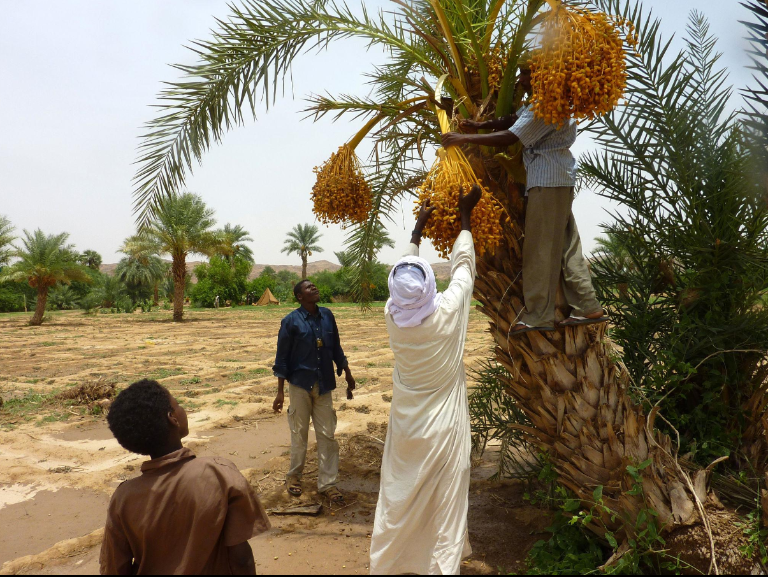
Consider the case of dates. Niger’s Kawar region—home to towns like Bilma, Fachi, Dirkou, and Djado—has long been renowned for its date production, a heritage stretching back generations. The area boasts diverse varieties and a wealth of traditional knowledge. However, producers face persistent challenges: meager yields, water scarcity, exorbitant transport costs, and inadequate storage and packaging infrastructure.
These difficulties have left the local date industry vulnerable to external competition. Even before the latest shipment, Algerian and Libyan dates were already flooding markets, making it increasingly difficult for Nigerien producers to sell their crops at fair prices. The arrival of additional Algerian dates risks tilting the scales further, as cheaper, more readily available imports divert consumer attention and market access away from local products.
The issue extends beyond agriculture. Algerian detergents and packaging materials are also making inroads into Niger’s domestic market. For local manufacturers—many of which grapple with high raw material costs, supply chain disruptions, and an unfavorable economic environment—the competition is steep. Some small and medium-sized enterprises have already shuttered their doors under the pressure, and the influx of imports could accelerate this trend.
Regulating imports: a step toward fair competition?
In response to these challenges, Nigerian authorities have taken steps to regulate import flows. In July 2026, the Minister of Trade and Industry announced the launch of a rigorous inspection and compliance verification program for incoming goods. The initiative aims to protect consumers from substandard or hazardous products while ensuring that compliant local producers are not disadvantaged by unfair competition.
Yet enforcement alone cannot level the playing field. To truly safeguard local industries, Niger must go further. Structural reforms are needed to bolster productivity: improved access to financing, upgraded infrastructure, enhanced processing capabilities, and better-organized supply chains. Without such measures, the commercial surge from Algeria risks overwhelming domestic industries before they can gain momentum.
Beyond imports: reimagining Niger’s economic future
The commercial dynamic between Algeria and Niger extends beyond a one-way flow of goods. While Algeria benefits from geographical proximity and a strategic export corridor, Niger stands at a crossroads. Will it remain merely a consumer market for its neighbors, or can it transform these trade exchanges into engines of local industrial growth?
A sustainable economic partnership should do more than facilitate the movement of goods—it should foster investment, technological transfer, and collaborative industrial development. Otherwise, Niger risks reinforcing its role as a passive recipient of foreign products, with little to show for it in terms of job creation, innovation, or long-term economic resilience.
The 25 trucks that left Adrar are more than a logistical feat—they symbolize a critical juncture. Algeria’s commercial ambitions are clear. The question now is whether Niger can harness this moment to not only defend its local industries but to turn the tide and emerge stronger.
Can Niger’s producers seize the moment?
The path forward demands action on multiple fronts. Local producers must enhance their competitiveness through innovation, quality improvement, and strategic partnerships. Policymakers, meanwhile, should prioritize industrial development by investing in infrastructure, streamlining regulations, and ensuring fair trade practices. Consumers, too, play a role in shaping the market’s trajectory—by choosing locally made goods when quality and price align.
Time will tell whether Niger’s industries can rise to the challenge. What is certain is that the commercial momentum from Algeria has reached a decisive stage. For Niger, the choice is clear: adapt, innovate, and compete—or risk being left behind in the wake of imported goods. The turning point has arrived. The question is whether local industries will have the strength to turn the tide.